Aviation fuel supplies serving Irish carriers and international routes through Dublin Airport face a recovery timeline extending several months even if critical Middle Eastern shipping lanes reopen, according to warnings issued by the International Air Transport Association today. The disruption stems from significant damage to refining infrastructure across the Middle East region, creating supply chain complications that will persist long after immediate geopolitical tensions ease.
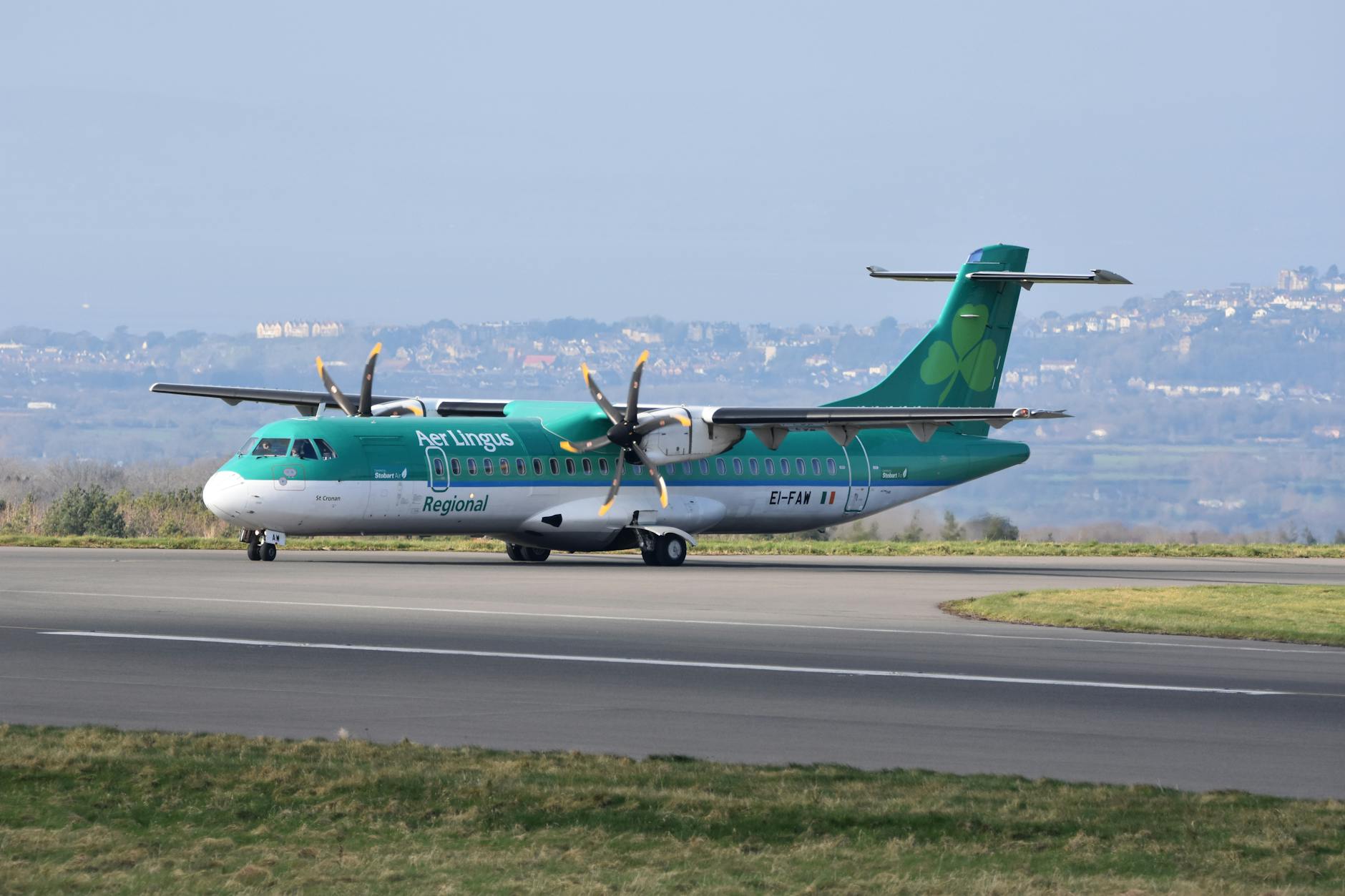
The stark assessment from IATA leadership highlights vulnerabilities in global aviation fuel networks that directly impact Ireland’s aviation sector, which serves as a crucial transatlantic hub connecting North America and Europe. Irish carriers including Aer Lingus and Ryanair, alongside international airlines operating through Dublin, Cork and Shannon airports, rely on stable jet fuel supplies to maintain operations that generate billions in annual economic activity for the Irish economy.
Industry executives representing airline operators worldwide emphasised that reopening the Strait of Hormuz, through which approximately one-fifth of global petroleum products transit, would not immediately resolve supply constraints. The prolonged recovery period reflects substantial damage inflicted on refining facilities throughout the Middle East, which require extensive repairs and recalibration before returning to normal production capacity. This timeline presents significant operational challenges for airlines already navigating elevated fuel costs and tight profit margins.
Ireland’s aviation industry, which contributed approximately €9.6 billion to the national economy in recent assessments, faces particular exposure to jet fuel volatility given the country’s geographic position and heavy reliance on air connectivity for tourism and business travel. Dublin Airport, which handled over 31 million passengers annually before recent disruptions, depends on consistent fuel supplies to maintain its status as a critical European aviation gateway.
The fuel supply warning arrives as Irish aviation authorities and airport operators assess contingency measures to ensure continuity of operations. Industry sources indicate that airlines serving Irish routes maintain fuel hedging strategies and alternative supply arrangements, though prolonged disruptions could necessitate route adjustments or frequency reductions on longer-haul services most dependent on Middle Eastern fuel sources.
Refining capacity challenges extend beyond immediate geopolitical concerns, reflecting broader infrastructure limitations within global petroleum processing networks. The months-long recovery timeline suggested by IATA officials accounts for complex technical requirements involved in restarting damaged refining units, conducting safety inspections, and restoring production to pre-disruption levels. These industrial processes cannot be accelerated significantly regardless of diplomatic or military developments affecting shipping lane access.
Irish business aviation and cargo operators face similar constraints, with fuel availability and pricing directly influencing operational decisions and profitability projections. The country’s aircraft leasing sector, which represents approximately half of global aircraft leasing activity and employs thousands across the International Financial Services Centre, monitors fuel market dynamics closely as supply constraints influence airline customer demand for new aircraft and lease extensions.
Aviation fuel typically represents between twenty and thirty percent of airline operating expenses, making supply disruptions and price volatility significant factors in carrier financial performance. Irish-based airlines with extensive European networks may experience different impact levels compared to long-haul operators, though all segments face pressure from sustained fuel market instability.
The extended recovery timeline underscores strategic questions about fuel supply diversification and infrastructure resilience within European aviation networks. Irish stakeholders including government transport officials and industry representatives continue monitoring developments while evaluating measures to protect the country’s aviation connectivity and economic interests against prolonged energy market disruptions affecting global air travel operations.