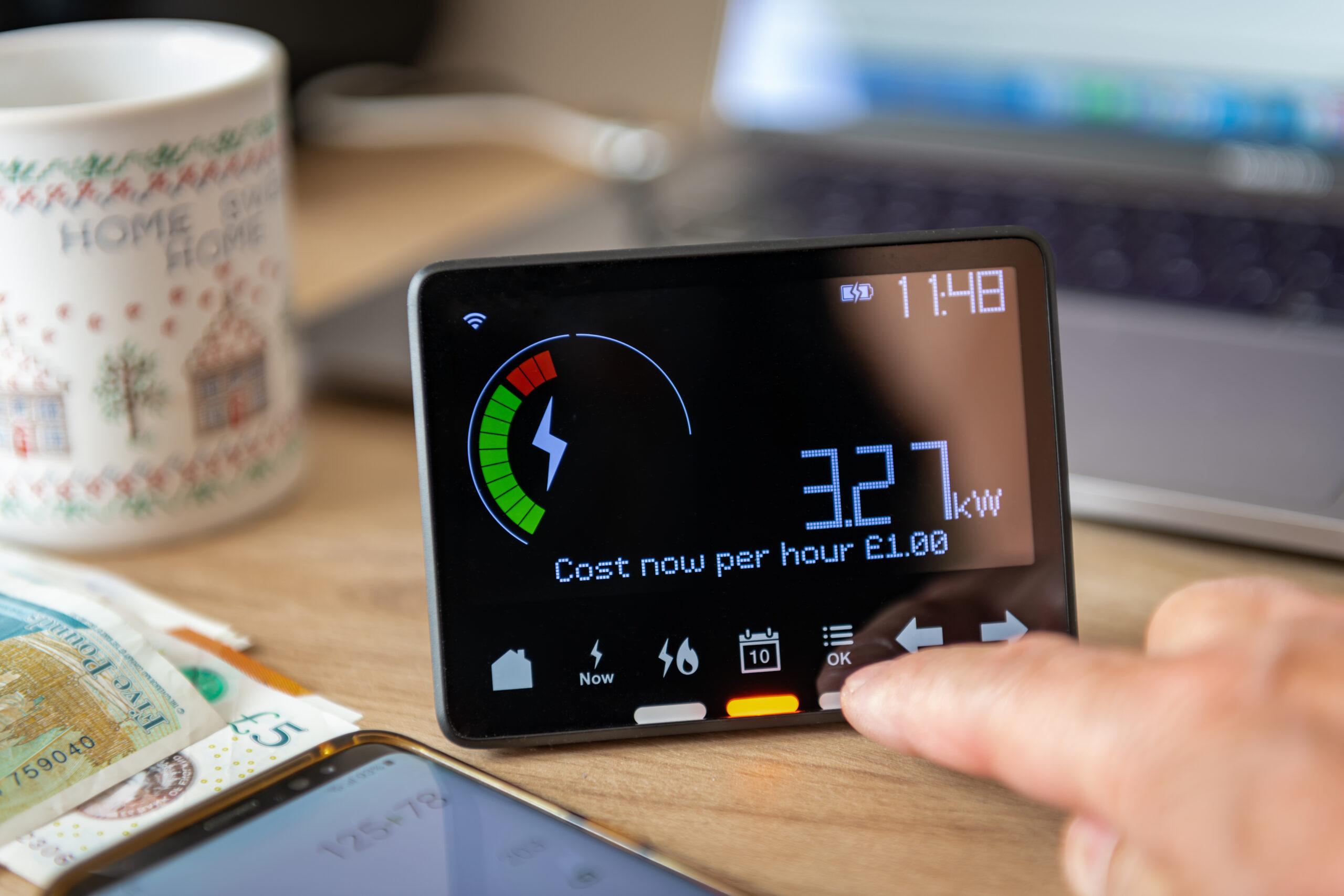
The increasing prevalence of smart meter malfunctions has raised significant concerns among consumers and industry experts alike.
As reports of overcharging incidents due to faulty devices continue to surface, questions regarding the accuracy and reliability of these essential energy management tools have come to the forefront.
The potential financial implications of such malfunctions, coupled with the challenges faced in rectifying these issues, underscore a pressing need for a closer examination of smart meter technology and its impact on consumer billing practices.
This ongoing debate serves as a pivotal point for stakeholders to reassess the role of smart meters in shaping the future of energy consumption and customer billing experiences.
Malfunctioning Smart Meters Overview
Intermittently, thousands of homeowners have been alerted to malfunctioning smart meters, primarily stemming from connectivity issues attributed to weak mobile signals. Up to 80,000 meters out of the 1.6 million installed are experiencing intermittent connectivity problems. Despite this, only around 1,000 meters have been reported as faulty.
Factors such as meter location and seasonal effects have been linked to these connectivity issues. The sporadic nature of these malfunctions has posed a challenge for both homeowners and energy providers, as they strive to ensure accurate and efficient meter readings. Addressing these connectivity issues is crucial to the successful operation of smart meters and the realization of their full potential in modernizing energy consumption monitoring.
Customer Overcharging Incidents
Amid the concerns surrounding malfunctioning smart meters, a notable issue that has emerged is the occurrence of customer overcharging incidents in relation to these devices. Customers have reported instances of receiving estimated bills despite having smart meters installed, leading to concerns about accuracy and fair billing practices.
Moreover, there have been documented cases of overcharging directly attributed to malfunctioning meters, prompting complaints to be lodged with energy regulators. For example, a customer was recently found to have been overcharged for 12 consecutive months due to a faulty smart meter. These incidents not only raise questions about the reliability of smart meter technology but also highlight the importance of ensuring that customers are billed accurately and fairly.
Concerns on Smart Meter Adoption
The reluctance among households to embrace smart meter energy plans has sparked concerns regarding their adoption and effectiveness. Despite the push for smart meter installations, there is a noted poor uptake of these energy plans, with only around 5% of households facing activation issues due to poor connections. Concerns have been raised about the value for money in some smart meter plans, casting doubt on their cost-effectiveness.
Former energy minister voices skepticism, stating that smart meters may be too complex to provide substantial public benefit. These concerns highlight the need for a reevaluation of the current approach to smart meter adoption to ensure that they deliver on their promised advantages efficiently and effectively.
Critiques of Smart Meter Rollout
Criticism has been directed towards the rollout of smart meters, with concerns raised about the complexity and understanding of the technology by the general public. Former energy minister Denis Naughten has expressed doubts about the public’s ability to comprehend the intricacies of smart meters. The public’s struggle with grasping how smart meters function has been highlighted, signaling potential challenges in widespread adoption.
Moreover, there are concerns regarding the approach taken in implementing smart meters, with questions arising about the efficacy and benefits for consumers. Despite the Energy Minister’s ambitious plan to install 2.1 million smart meters by next year, the critiques surrounding the rollout suggest a need for clearer communication and education to ensure successful integration and acceptance by the public.
Conclusion
In conclusion, the issues surrounding smart meter malfunctions and overcharging have raised significant concerns within the energy management sector. Despite efforts to promote adoption, challenges such as intermittent connectivity and skepticism persist.
Criticism from industry figures further complicates the situation. However, there have been positive reports of improved customer experiences and accurate billing. Addressing these concerns will be crucial for the continued advancement of smart meter deployment in the energy industry.