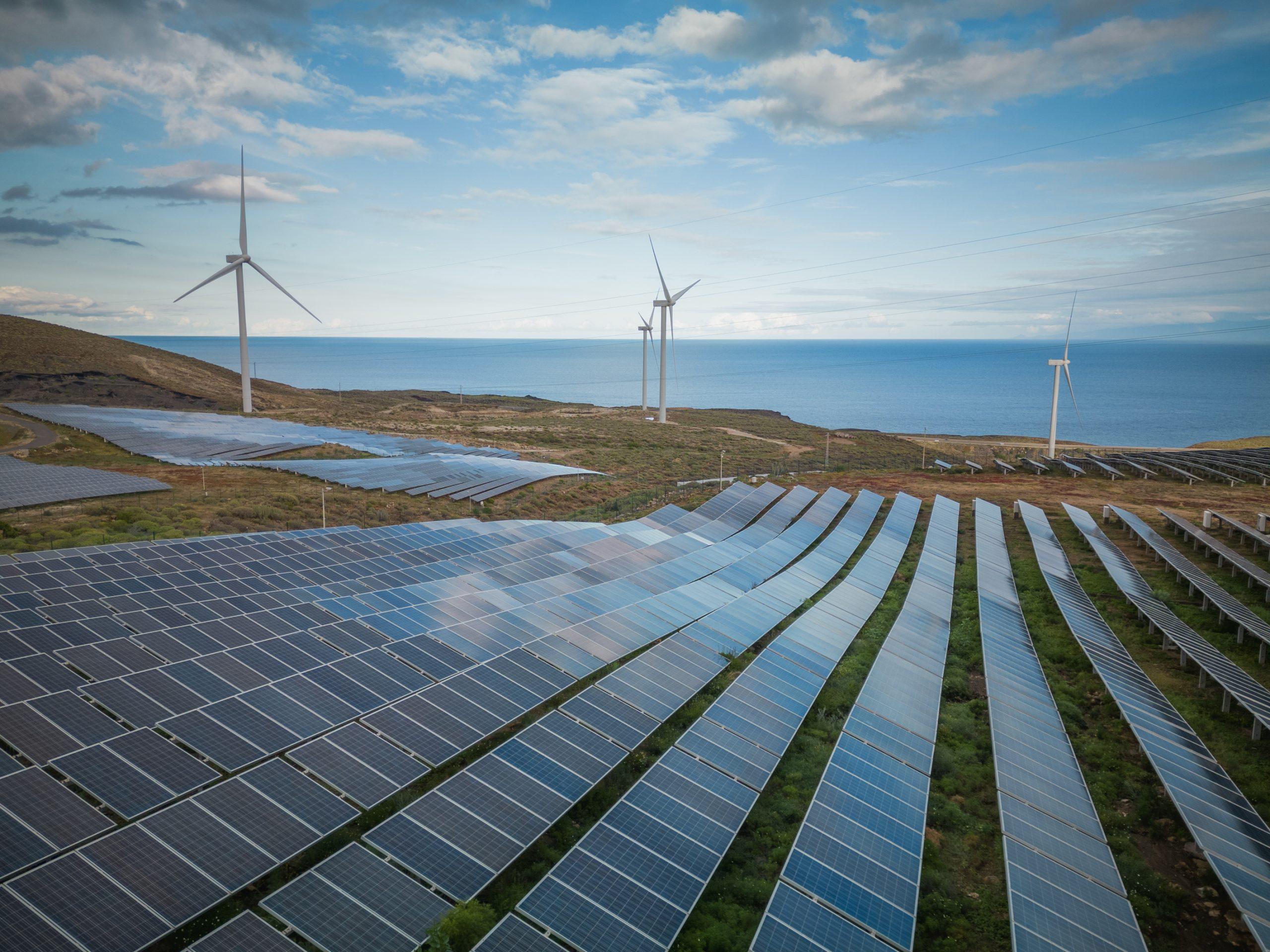
In November, renewable energy sources markedly contributed to Ireland’s electricity generation, accounting for nearly half of the total output. This increase, driven primarily by wind energy, signifies a pivotal moment in the country’s energy landscape. As technology advances and demand shifts, the implications for future energy security become increasingly relevant. Exploring the factors behind this growth reveals deeper insights into the evolving dynamics of energy consumption and sustainability.
Renewable Energy Contributions in November
Despite the challenges posed by seasonal changes, renewable energy sources made a significant impact on Ireland’s electricity generation in November. A remarkable 41% of the nation’s electricity was sourced from renewables, marking a 7% increase compared to the previous year.
Wind energy was the standout contributor, accounting for 35% of the total electricity used, with wind generation reaching 1,067 gigawatt hours (GWh).
This shift towards renewables demonstrates Ireland’s commitment to sustainable energy solutions and highlights the growing importance of wind power in the overall energy mix.
The advancements in renewable technology continue to reshape the landscape of electricity generation in the country.
Trends in Overall Electricity Demand
Following the notable contributions of renewable energy in November, overall electricity demand also exhibited significant trends.
Total electricity system demand reached 3,088 gigawatt hours (GWh), an increase from October’s 2,969 GWh. Gas generation accounted for 42% of the electricity consumed, while 17% was imported via interconnections.
The demand surge was influenced by seasonal changes, with shorter evenings and colder weather driving increased usage. On November 30, a new all-time peak for electricity usage was recorded, highlighting the growing need for reliable energy sources.
The ongoing demand patterns suggest a shift in energy consumption behaviors across the region.
Record Peak Demand Levels
Record peak demand levels were reached on November 30, when electricity usage surged to 5,144 megawatts (MW), setting a new all-time high.
This increase reflected a notable rise in overall electricity demand, which rose from 2,969 gigawatt hours (GWh) in October to 3,088 GWh in November.
Seasonal changes, including shorter evenings and colder weather, played a significant role in this heightened demand.
The previous peak demand record was established in January, highlighting a trend of increasing electricity consumption.
Eirgrid officials noted that the ongoing demand surge underscores the necessity for efficient energy management and infrastructure enhancements.
The Role of Battery Storage
Battery storage has emerged as a crucial component in managing electricity demand, especially during peak usage periods.
In November, battery usage peaked at 362 MW, coinciding with low renewable wind generation. This trend highlights the increasing importance of battery systems in meeting spikes in demand, particularly as electricity consumption patterns shift with seasonal changes.
Significantly, advancements in battery technology and collaborative efforts with Northern Ireland’s grid operator, Soni, have enhanced integration into the energy market.
As electricity demand continues to rise, effective battery storage solutions will be essential for maintaining stability and reliability in the power system.
Eirgrid System Enhancements for Future Demand
Eirgrid has focused on enhancing its system to accommodate the increasing demands of electricity consumption. Recent updates include improvements to Energy Storage Power Stations (ESPS), ensuring better integration into the electricity market.
With a notable rise in battery usage, especially during peak demand periods, these enhancements are vital for maintaining system reliability. Additionally, Eirgrid continues to monitor electricity demand and generation patterns to adapt efficiently.
Collaborations with Northern Ireland’s grid operator, Soni, further support the aim of meeting future energy needs. These strategic developments are essential as electricity demand continues to grow, fueled by changing seasonal patterns and consumption behaviors.
Conclusion
In summary, Ireland’s substantial reliance on renewable energy in November underscores a significant shift towards sustainable practices, with wind energy leading the way. The increase in renewable contributions not only reflects advancements in technology but also the nation’s commitment to energy independence. As electricity demand continues to rise, the integration of battery storage and enhancements to the Eirgrid system will be essential in managing future energy needs and ensuring a stable shift to a greener energy landscape.