
Irish consumers dramatically increased their spending on international travel throughout 2024 whilst simultaneously reducing domestic holiday expenditure, according to newly released data from the Central Statistics Office. This shift represents a significant reversal of the staycation trend that dominated during the pandemic recovery period and reflects evolving consumer confidence in Ireland’s strengthening economy.
The statistical evidence demonstrates that Irish residents prioritised overseas destinations over local tourism options during the twelve-month period, marking a departure from recent years when domestic travel surged due to pandemic-related restrictions and economic uncertainty. This behavioural change signals both increased disposable income among Irish households and renewed confidence in international travel infrastructure following years of disruption.
Tourism economics experts attribute this transformation to several interconnected factors affecting the Irish marketplace. Stronger employment figures combined with wage growth have provided Irish consumers with greater purchasing power for discretionary spending categories including international holidays. The Irish labour market has demonstrated remarkable resilience throughout 2024, with unemployment rates remaining historically low and wage settlements across multiple sectors outpacing inflation.
Currency exchange rates have also played a crucial role in making foreign destinations more attractive to Irish travellers. The euro’s relative strength against sterling and other major currencies has enhanced the purchasing power of Irish tourists venturing abroad, particularly to traditional holiday destinations across Mediterranean Europe and further afield.
The decline in domestic tourism spending presents challenges for Ireland’s indigenous hospitality sector, which experienced substantial growth during the staycation boom of previous years. Accommodation providers, restaurants, and tourist attractions throughout Ireland had invested significantly to capture increased domestic demand, making this reversal particularly impactful for regional economies dependent on tourism revenue.
Industry representatives from Fáilte Ireland have acknowledged the shifting patterns whilst emphasising ongoing efforts to maintain competitiveness in the domestic tourism market. The tourism development authority continues implementing strategies to encourage Irish residents to explore local destinations through promotional campaigns highlighting unique cultural experiences and natural heritage sites throughout the country.
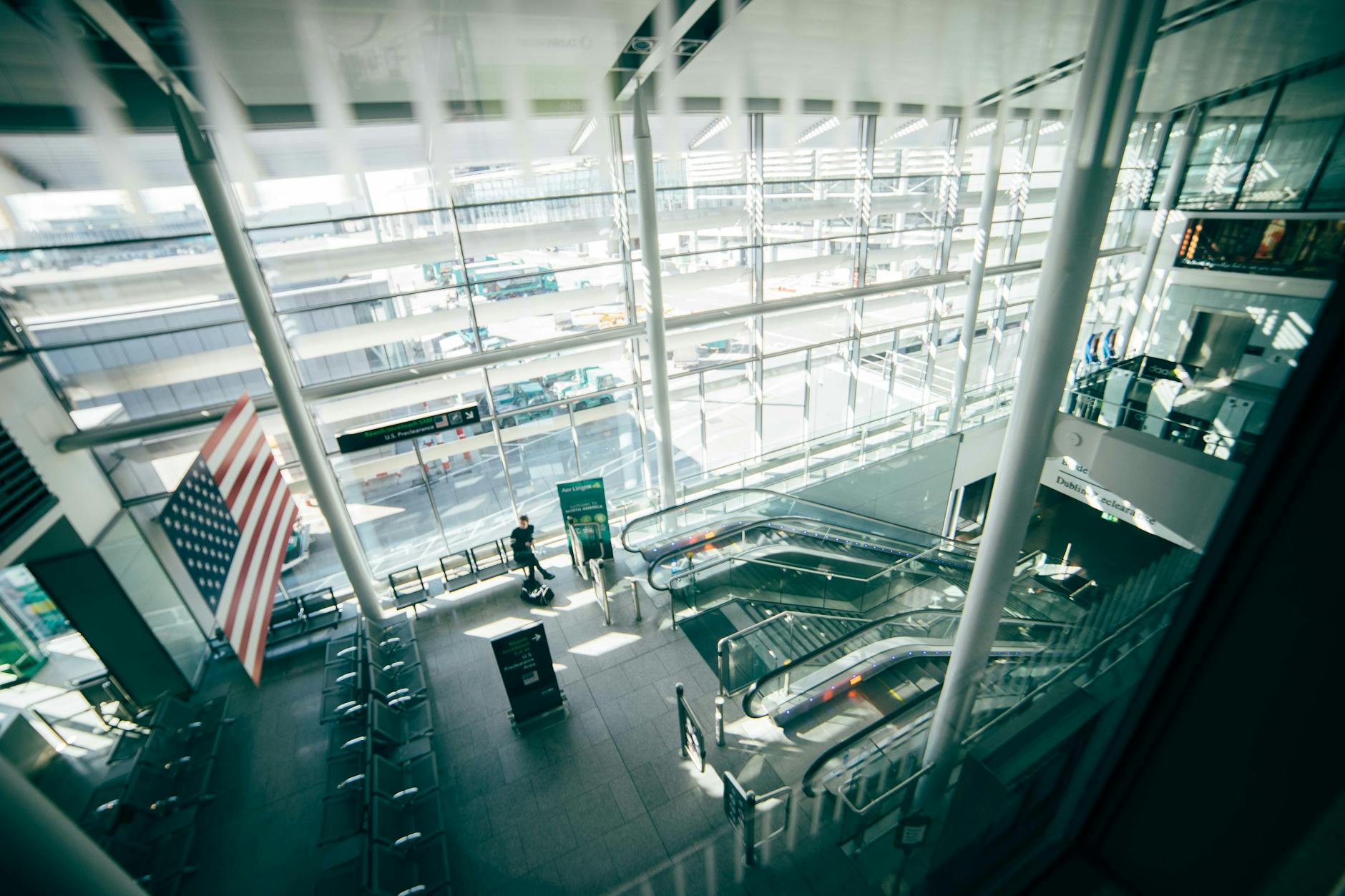
Aviation capacity expansion from Dublin, Cork, and Shannon airports has facilitated this surge in outbound travel. Irish aviation infrastructure has substantially recovered from pandemic-era capacity constraints, with carriers reinstating routes and introducing new connections to diverse international destinations. This enhanced connectivity has made foreign travel more accessible and competitively priced for Irish consumers across all regions.
The pricing dynamics within Ireland’s hospitality sector have also influenced consumer decisions. Accommodation costs in popular Irish tourist destinations have remained elevated relative to comparable European alternatives, prompting cost-conscious travellers to seek better value propositions abroad. This pricing pressure reflects ongoing operational challenges within Irish tourism including labour shortages, energy costs, and regulatory compliance expenses.
Economic analysts view this tourism expenditure shift as symptomatic of broader consumption patterns within the Irish economy. Consumer confidence indices have strengthened throughout 2024, supported by robust employment conditions and accumulated household savings from previous years. This financial security has enabled Irish families to allocate larger budgets toward premium leisure experiences including international travel.
The implications extend beyond tourism statistics to Ireland’s current account balance, as increased foreign travel spending represents capital outflows from the domestic economy. However, economists note that robust inbound tourism from international visitors partially offsets this effect, with Ireland continuing to attract significant numbers of overseas tourists drawn by cultural attractions and business travel to the expanding international financial services centre.
Looking forward, tourism stakeholders anticipate continued competition between domestic and international options as Irish consumers maintain elevated expectations for holiday experiences. The sustainability of this outbound travel trend will depend on maintaining current economic conditions including employment stability, wage growth, and favourable currency dynamics that have characterised the 2024 marketplace.