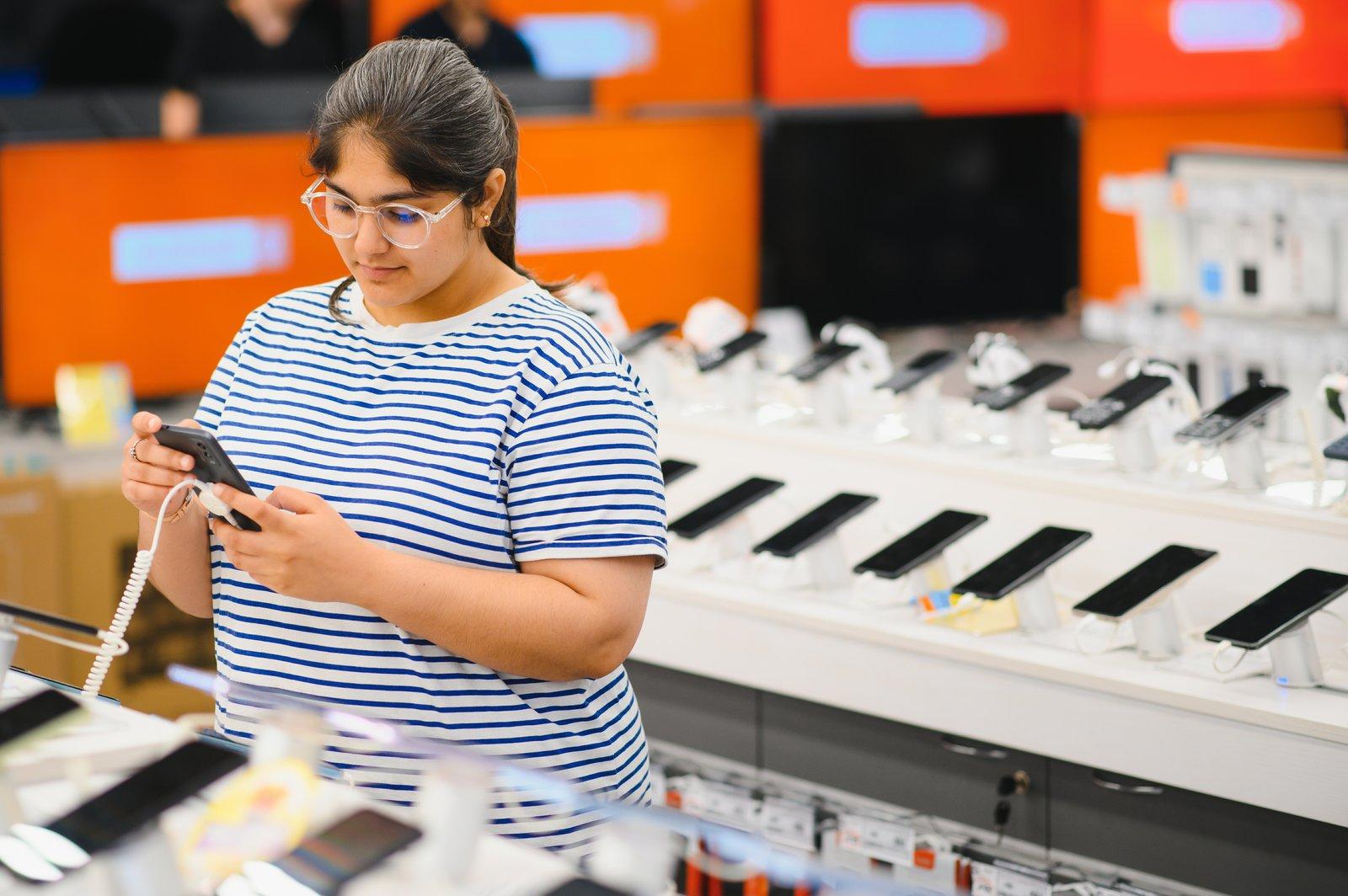
In 2025, Apple achieved a significant milestone by capturing 20% of the global smartphone market share, largely due to the iPhone 17 series. This success reflects the company’s ability to respond to changing consumer preferences, particularly in emerging markets. However, the competitive landscape remains challenging. With key players like Samsung and Xiaomi pushing for market share, the dynamics of the smartphone industry are shifting. What strategies might Apple employ to maintain its lead?
Global Smartphone Market Trends in 2025
As global smartphone shipments experienced a modest increase of 2% year-on-year in 2025, the growth was primarily driven by rising demand and economic momentum within emerging markets.
Manufacturers preemptively advanced shipments early in the year, anticipating US tariffs, which contributed to this uptick. However, the impact of these early shipments lessened as the year progressed, resulting in second-half volumes largely unaffected by the initial pull-forward.
This trend highlights the resilience of the smartphone market, with emerging economies increasingly shaping demand patterns, ultimately influencing the strategies of major manufacturers amidst a competitive landscape.
Apple’s Strong Performance With Iphone 17
Amidst the modest growth of the global smartphone market in 2025, Apple distinguished itself with remarkable performance driven by the launch of the iPhone 17 series.
This new series considerably bolstered Apple’s market share, allowing it to capture 20% of the global smartphone market. The iPhone 17 experienced particularly strong demand in emerging and mid-sized markets, contributing to Apple’s top position among leading brands.
Analysts, including Varun Mishra from Counterpoint, noted robust sales as a critical factor in Apple’s success. Overall, the iPhone 17 series played a pivotal role in reinforcing Apple’s dominance in a competitive landscape.
Competitive Landscape: Key Players in the Market
While Apple has solidified its position as a market leader, the competitive landscape in the smartphone industry remains dynamic, with key players like Samsung and Xiaomi working to capture consumer attention.
Samsung holds the second-largest market share at 19%, achieving modest growth driven by its diverse product lineup. Xiaomi follows closely in third place with a 13% share, benefiting from steady demand in emerging markets.
The competition among these top brands is intense, influencing pricing strategies and product innovation. As each company strategizes to differentiate itself, maintaining consumer loyalty and market relevance is essential in this evolving environment.
Future Challenges in the Smartphone Industry
The competitive landscape among smartphone manufacturers is set to face significant challenges in the coming years. Anticipated chip shortages and rising component costs may hinder production capabilities, impacting shipment volumes across the industry.
As chipmakers shift focus towards AI data centers, smartphone manufacturers could struggle to secure essential parts. Additionally, the global market is expected to soften in 2026, creating a less favorable environment for growth.
Companies will need to innovate and adapt their strategies to maintain competitiveness. The interplay of these factors could reshape market dynamics, demanding resilience and agility from smartphone brands.
Economic Influences on Smartphone Demand
As global economic momentum strengthens in emerging markets, smartphone demand is poised to rise considerably. Increased disposable income and urbanization contribute to heightened consumer interest in smartphones, particularly in regions that previously experienced limited access.
Additionally, manufacturers have adjusted shipment strategies in response to anticipated economic shifts, including US tariffs, which impacted early 2025 supply chains. However, rising component costs pose challenges to overall pricing and availability, potentially dampening demand.
The interplay of these economic factors underscores the importance of emerging markets, which remain vital to the growth trajectory of the global smartphone industry in the coming years.
Conclusion
In 2025, Apple’s significant market share of 20% underscores its effective strategies and adaptability in the competitive smartphone landscape. The success of the iPhone 17 series, particularly in emerging markets, highlights the company’s ability to meet evolving consumer demands. However, as competition from Samsung and Xiaomi intensifies, Apple must navigate future challenges while maintaining its innovative edge. Overall, the smartphone industry continues to evolve, influenced by economic factors that shape consumer purchasing behavior.