

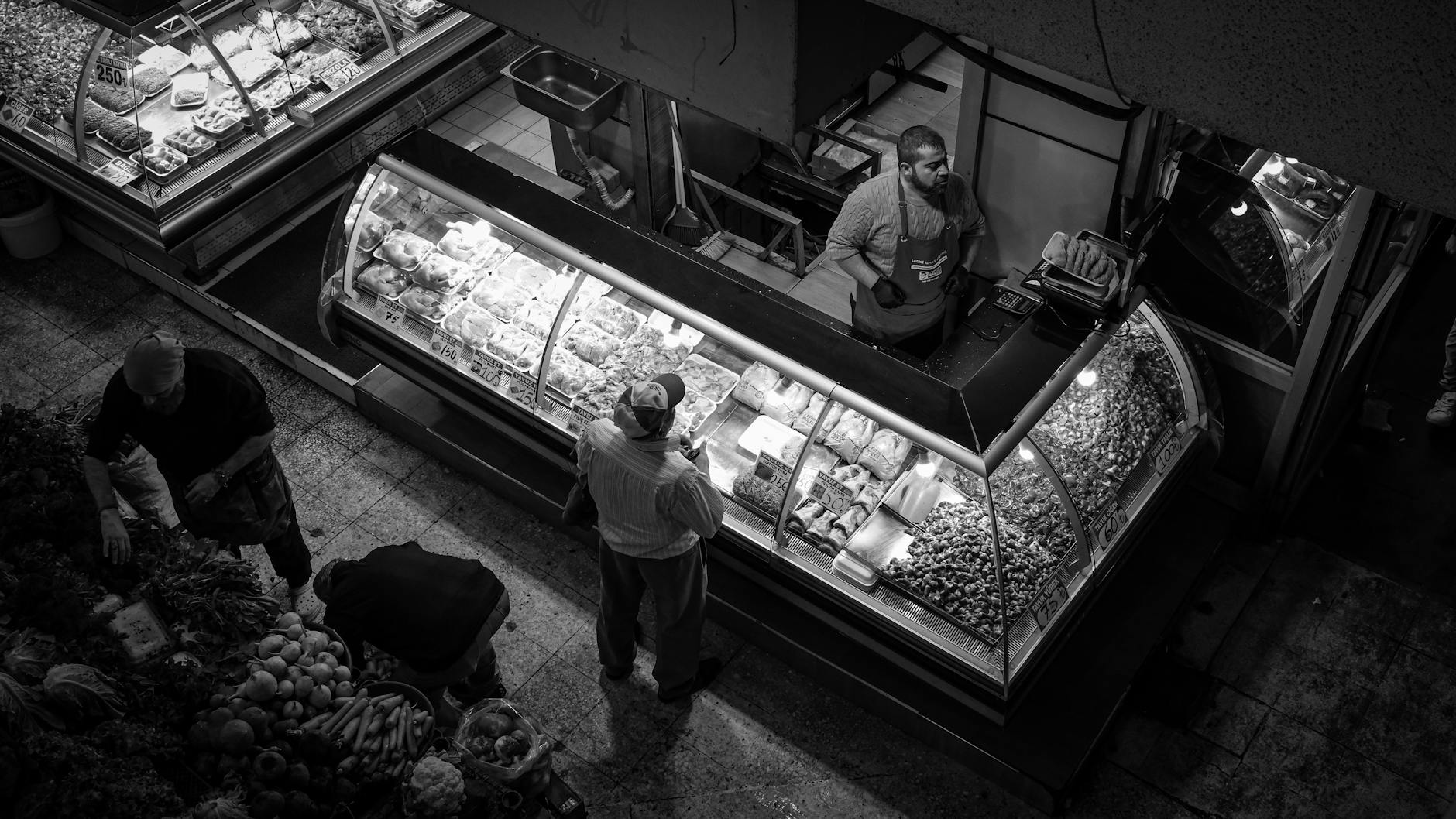
A decade after leaving corporate employment in Dublin to establish a delicatessen in Waterford, entrepreneur Stephen Cass maintains that the psychology of being an underdog never diminishes, regardless of business success. His venture, Cass & Co, represents a significant career transformation that has contributed to Waterford’s evolving food retail landscape while exemplifying the broader trend of Irish professionals returning to regional cities to establish local enterprises.
The transition from office-based employment in the capital to food retail entrepreneurship in a regional city reflects changing patterns in Irish business development, particularly the growth of artisan food businesses outside Dublin. This shift aligns with broader economic trends documented by Enterprise Ireland, which has observed increasing entrepreneurial activity in Ireland’s secondary cities as professionals seek lifestyle changes and identify market opportunities in their home regions.
Cass’s decision to establish his delicatessen business in Waterford came at a pivotal moment when Irish consumer preferences were shifting toward locally-sourced, quality food products. The ten-year milestone for Cass & Co coincides with sustained growth in Ireland’s specialty food sector, which has demonstrated resilience through economic challenges including the post-2008 recovery period and subsequent pandemic disruptions. The business has become an established fixture in Waterford’s retail environment, contributing to the city’s reputation as a food destination.
The founder’s acknowledgment of maintaining an underdog mentality despite achieving stability offers insight into the psychological challenges facing Irish small business owners. This perspective contrasts with external perceptions of success while highlighting the continuous pressures entrepreneurs face in competitive retail environments. Irish food businesses operate within tight margin structures, facing competition from both independent operators and major retail chains that dominate the grocery sector.
Waterford’s economic landscape has evolved considerably over the past decade, with the city working to diversify beyond traditional manufacturing sectors. Small businesses like Cass & Co contribute to this diversification, creating employment opportunities and enhancing the city’s commercial vitality. The survival and growth of independent food retailers in regional Irish cities demonstrates viable alternatives to Dublin-centric business models, supporting the government’s regional development objectives.
The artisan food sector has become an increasingly important component of Ireland’s broader food industry, which remains one of the country’s largest indigenous sectors. Small-scale operators contribute to supply chain diversity and provide outlets for local producers, creating interconnected business ecosystems. This model supports agricultural communities while meeting consumer demand for traceable, quality products that reflect regional food traditions.
Entrepreneurial transitions from corporate employment to small business ownership present both opportunities and challenges within the Irish economy. While such moves can stimulate innovation and address market gaps, they also involve significant personal financial risk and require adaptation to different operational demands. The longevity of Cass & Co suggests successful navigation of these challenges, though the founder’s comments indicate that uncertainty remains an inherent aspect of business ownership.
The experience of establishing and maintaining a food retail business outside Dublin provides valuable insights for aspiring entrepreneurs considering similar transitions. Access to customers, supply networks, and support infrastructure differs substantially between the capital and regional cities, requiring adapted business strategies. However, lower operational costs and reduced competition in certain segments can offset disadvantages, creating viable business environments in cities like Waterford, Cork, Galway, and Limerick.
Looking forward, the sustainability of independent food retailers will depend on their ability to differentiate from larger competitors while managing cost pressures including wages, rent, and utilities. Consumer loyalty to local businesses provides some protection, though economic conditions significantly influence discretionary spending on premium food products. The next decade will test whether businesses like Cass & Co can maintain their market positions amid evolving retail landscapes and changing consumer behaviours shaped by digital commerce and shifting lifestyle priorities.