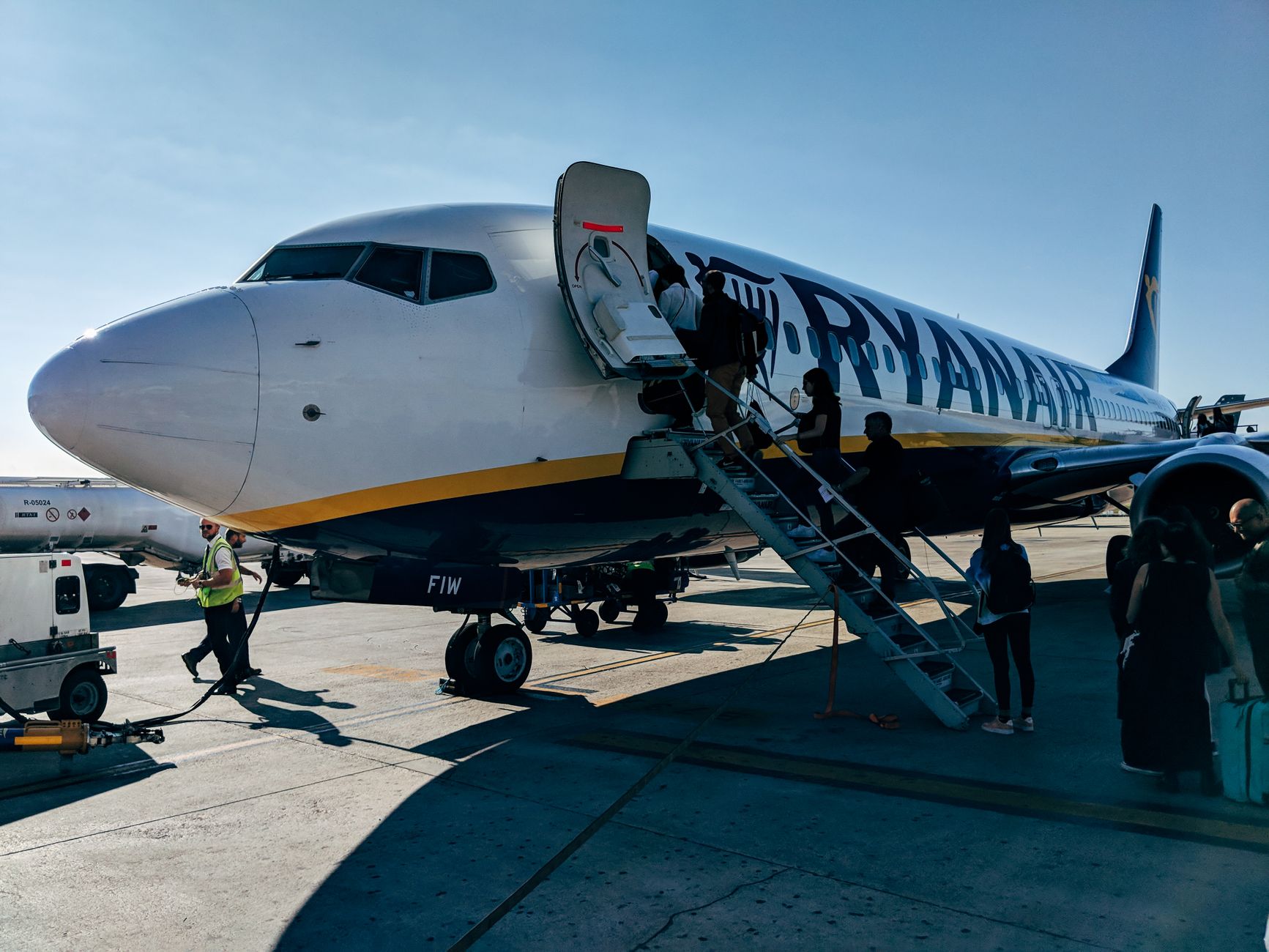
Ryanair Group is bracing European passengers for what its chief executive has described as the steepest airfare increases the continent has ever witnessed. Michael O’Leary, who leads the Dublin-based carrier, issued the stark warning on 20 October 2026, citing airlines’ vulnerability to climbing jet fuel prices as the primary driver behind the anticipated surge.
Key facts
- Michael O’Leary, Ryanair Group CEO, announced the warning on 20 October 2026
- European airlines currently lack hedging protection against rising jet fuel costs
- The fare increases are expected to materialise throughout 2027
- O’Leary characterised the anticipated rise as the “biggest increase in history”
Fuel Cost Exposure Drives Price Forecast
The forecast for historic fare increases stems from a sector-wide issue affecting carriers operating throughout Europe. Airlines have largely failed to secure hedging arrangements that would shield them from volatility in fuel markets, leaving them exposed to recent increases in jet fuel prices. This lack of financial protection means carriers will need to pass rising operational costs directly to consumers through higher ticket prices.
Speaking about the outlook, O’Leary stated that European airfares would experience their “biggest increase in history” during 2027. The announcement carries significant weight given Ryanair’s position as Europe’s largest airline by passenger numbers and its reputation for maintaining some of the continent’s lowest fares.
Implications for Irish and European Travellers
The projected fare hikes will affect millions of passengers across Europe, including substantial numbers travelling to and from Ireland. Ryanair operates numerous routes connecting Irish airports to European destinations, making any significant price increases particularly relevant for Irish business travellers and tourists alike. The carrier has not specified the magnitude of the anticipated increases or provided detailed timeframes for when passengers can expect to see higher prices reflected in bookings.
The warning comes at a time when European aviation continues recovering from pandemic-era disruptions, with demand for air travel having returned to pre-2020 levels across most markets. Higher fares could potentially dampen this demand recovery, though the extent of any such impact remains uncertain. Industry observers will be watching closely to see whether competing carriers follow Ryanair’s lead in adjusting their pricing strategies for 2027.
Reporting based on original coverage by the original source.