
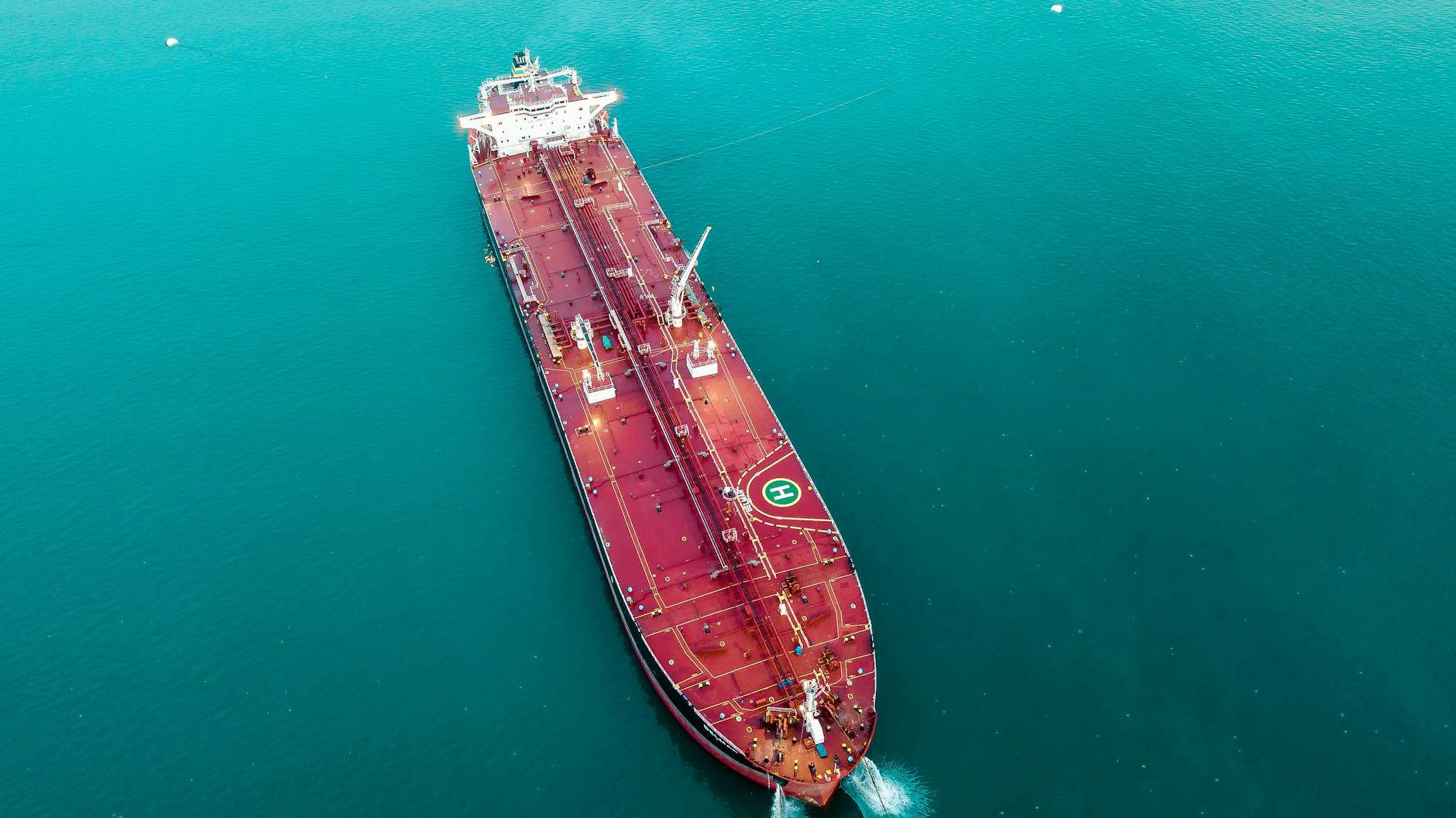
Global oil markets experienced further price increases as international efforts to secure the Strait of Hormuz shipping corridor failed to calm investor concerns about supply disruptions. Despite coordinated initiatives from the United States and major European economies including Japan and Canada to guarantee maritime security through the strategic waterway, crude values continued their upward momentum, signaling persistent market anxiety over energy supply chains.
The ongoing price escalation carries significant ramifications for Ireland’s economy, where businesses and consumers remain exposed to international energy market volatility. Ireland imports virtually all its petroleum products, making the nation particularly vulnerable to global oil price fluctuations that affect transport costs, manufacturing inputs, and household heating expenses. The Enterprise Ireland client base, including numerous energy-intensive manufacturers and logistics companies, faces potential margin compression if elevated crude prices persist throughout the coming quarters.
The Strait of Hormuz represents the world’s most critical petroleum chokepoint, facilitating the transit of approximately one-fifth of global oil consumption daily. Any disruption to this narrow passage between Oman and Iran creates immediate ripple effects across international energy markets, with European nations bearing particular exposure given their dependence on Middle Eastern crude imports. The formation of an international coalition to maintain open shipping lanes demonstrates the strategic importance governments place on uninterrupted energy flows.
Financial analysts monitoring the situation indicate that geopolitical risk premiums now account for a substantial portion of current crude valuations, with futures markets pricing in continued uncertainty regarding regional stability. The persistent price increases despite diplomatic and military assurances suggest traders remain unconvinced that supply security can be guaranteed in the near term. This sustained elevation in oil values translates directly into higher costs for Irish businesses operating in transport, distribution, and energy-dependent manufacturing sectors.
Ireland’s Central Bank has previously identified energy price volatility as a key risk factor for domestic inflation and economic stability. The current situation reinforces those concerns, particularly as the nation continues recovering from previous economic disruptions. Higher petroleum costs feed through multiple channels of the Irish economy, affecting everything from freight charges to plastic manufacturing inputs, with consequent implications for consumer price indices and business competitiveness.
The coordinated international response involving North American, European, and Asian powers reflects the global nature of energy security challenges. For Ireland, positioned as a small open economy within the European Union framework, such multilateral approaches offer the primary mechanism for managing supply risks that individual nations cannot address independently. The Department of Enterprise, Trade and Employment continues monitoring developments for potential impacts on Irish business operations and energy security planning.
Industry observers note that sustained elevated oil prices could accelerate Ireland’s transition toward renewable energy sources and electric vehicle adoption, as businesses and consumers seek alternatives to fossil fuel dependence. However, the immediate economic impact remains challenging for sectors with limited short-term substitution options, including aviation, maritime transport, and certain manufacturing processes requiring petroleum-based inputs.
Market participants will closely watch whether the international security initiative successfully reassures traders and stabilizes supply expectations. Until tangible evidence emerges of reduced regional tensions and guaranteed shipping access, oil markets appear likely to maintain risk premiums that keep prices elevated above fundamental supply-demand equilibrium levels. This environment creates ongoing challenges for Irish economic planners and business leaders navigating uncertain energy cost trajectories.