Global aviation fuel supplies will require several months to return to normal levels even if Iran immediately reopens the Strait of Hormuz, according to the International Air Transport Association today. The prolonged recovery timeline reflects severe damage to Middle East refining capacity that cannot be quickly restored, creating ongoing challenges for Irish airlines and European carriers dependent on regional fuel supplies.
The warning from IATA, which represents airlines worldwide including major Irish carriers, highlights the complex supply chain disruptions affecting global aviation beyond immediate geopolitical tensions. Even with the strategic waterway reopened, refineries damaged during recent tensions would need extensive repairs and restart procedures that typically span months rather than weeks.
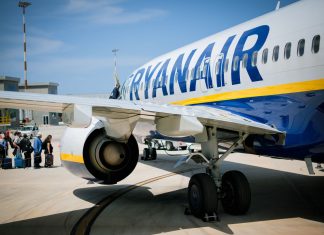
Irish aviation interests face particular vulnerability given the country’s position as a major European aviation hub. Dublin Airport handles over thirty million passengers annually, whilst Shannon’s role in transatlantic connections makes fuel supply security critical. Airlines operating from Irish bases, including Aer Lingus and Ryanair, maintain significant European operations that depend on stable jet fuel pricing and availability from Middle Eastern refineries.
The Strait of Hormuz normally facilitates passage of approximately twenty percent of global oil supplies, making disruptions there consequential for refined products including aviation fuel. Middle Eastern refineries supply substantial portions of jet fuel consumed across European markets, with pricing mechanisms closely linked to regional production capacity. Ireland’s Strategic Petroleum Reserve requirements, managed under EU directives, provide some buffer but extended disruptions would elevate operating costs for carriers.
Industry analysts suggest the extended recovery period reflects both physical damage to refining infrastructure and the technical complexity of restarting these facilities. Modern refineries cannot simply resume operations immediately following shutdowns, particularly if equipment sustained damage. Safety protocols require extensive inspections, testing procedures, and gradual restart sequences that protect both workers and expensive processing equipment.
For Irish business aviation and cargo operations, fuel availability concerns compound existing inflationary pressures affecting airline economics. Aer Lingus parent company IAG has previously flagged fuel costs as a significant operational expense, whilst Ryanair’s business model depends heavily on managing per-passenger fuel consumption efficiently. Extended elevated fuel prices or supply constraints could necessitate route adjustments or capacity reductions affecting Irish connectivity.
The aviation sector’s vulnerability to Middle Eastern supply disruptions has renewed discussions about fuel source diversification and sustainable aviation fuel development. Enterprise Ireland supports several companies developing alternative aviation fuels, though these remain small-scale compared to conventional jet fuel volumes. Shannon Airport’s Atlantic Aviation Group has explored sustainable fuel initiatives, recognising long-term supply security concerns.
European aviation authorities continue monitoring the situation closely, with implications for summer travel demand forecasts. Ireland’s tourism sector, which generated over nine billion euros in revenue during recent years, depends substantially on air connectivity. Extended jet fuel supply constraints could increase ticket prices or reduce route availability during peak tourist seasons, affecting hospitality and related business sectors.
Financial markets have responded to the supply warnings with increased volatility in airline equity valuations. Irish aviation lessors, which represent substantial aircraft financing capacity globally, face potential impacts from reduced airline profitability if fuel costs remain elevated. The IFSC hosts numerous aviation finance entities whose performance links directly to airline sector health.
IATA’s assessment suggests airlines should prepare for extended periods of supply uncertainty and potentially elevated fuel costs. Irish carriers with fuel hedging programmes may experience some protection, though extended disruptions exceed typical hedging timeframes. The organisation continues engaging with governments and energy suppliers to expedite recovery efforts whilst exploring alternative supply routing options that could partially offset Middle Eastern capacity losses.