
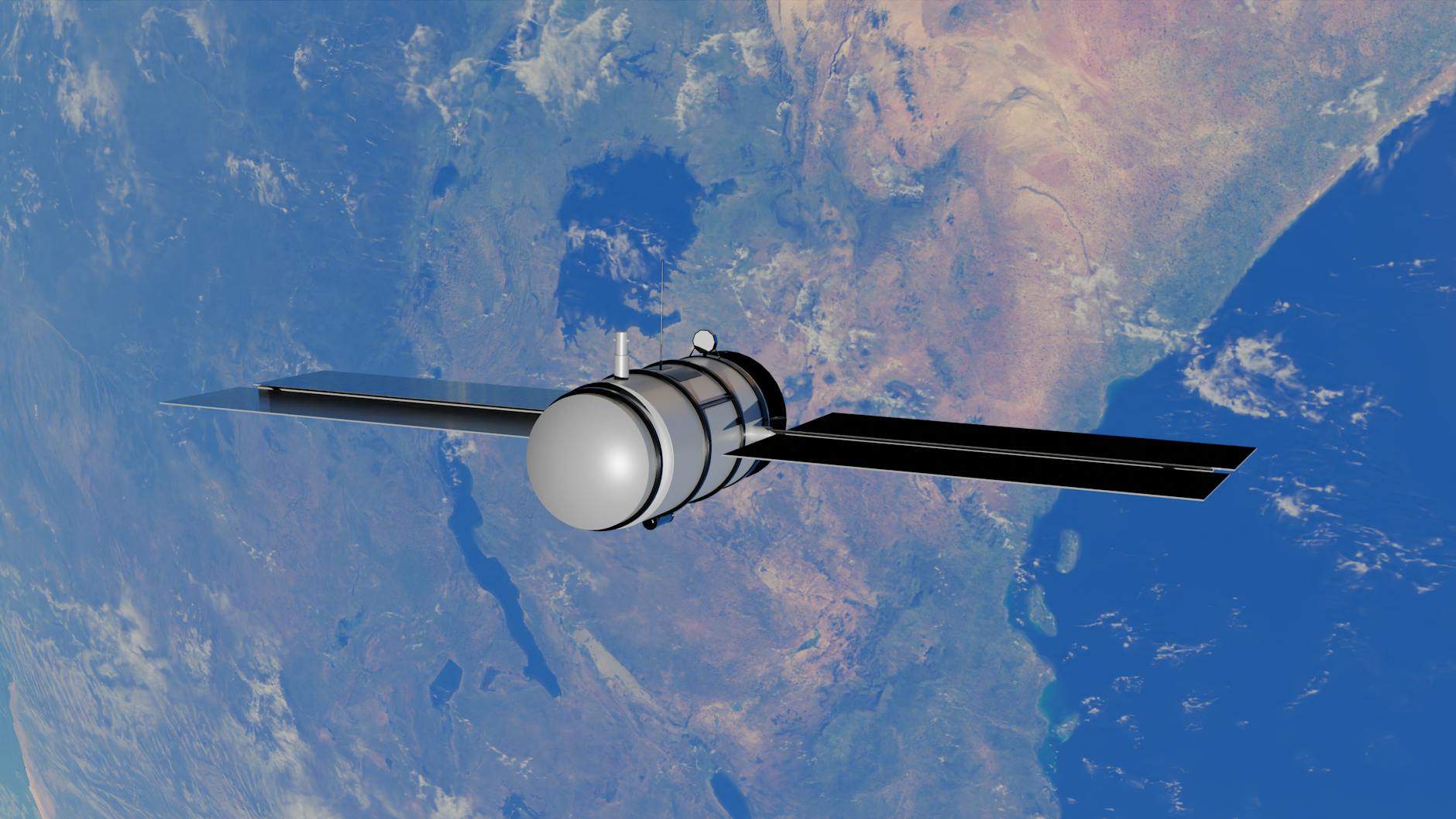
Irish-founded space technology company Icarus is preparing to demonstrate autonomous robotic assembly capabilities in orbit, positioning Ireland within the emerging commercial space construction sector. The mission represents a significant milestone for Irish participation in next-generation orbital infrastructure development, an industry projected to exceed €500 billion globally by 2030.
The demonstration mission, developed in partnership with commercial space station operator Voyager Space, will test robotic systems designed to construct and assemble structures in the zero-gravity environment. According to Voyager Space’s defence and national security division, Icarus represents the vanguard of next-generation space construction capabilities, addressing critical infrastructure needs as orbital commercial activity expands rapidly.
Ireland’s space technology sector has experienced substantial growth over recent years, with Enterprise Ireland supporting approximately 90 indigenous companies engaged in space-related activities. The sector generates over €120 million annually for the Irish economy, with employment concentrated in satellite communications, Earth observation data analytics, and increasingly, orbital infrastructure systems. Icarus’s mission demonstrates Ireland’s capacity to contribute advanced technological solutions to complex aerospace challenges.
The robotic construction technology addresses fundamental challenges facing the expanding space economy. Traditional spacecraft and orbital infrastructure arrive fully assembled from Earth, constrained by launch vehicle dimensions and mass limitations. Autonomous robotic assembly enables larger, more complex structures to be constructed in orbit from modular components, dramatically reducing launch costs and expanding design possibilities for commercial space stations, satellite arrays, and deep space exploration infrastructure.
Voyager Space operates as a significant player in commercial space station development, working towards successors to the International Space Station scheduled for decommissioning by 2030. The company’s partnership with Icarus reflects growing international collaboration in space infrastructure, with Irish engineering expertise increasingly valued for precision robotics and autonomous systems. The defence and national security applications highlight dual-use potential for technologies developed within Ireland’s expanding aerospace sector.
The Irish space industry benefits from strategic positioning within the European Space Agency framework, with Ireland contributing approximately €20 million annually to ESA programmes. This investment generates returns through technology transfer, research contracts, and commercial partnerships for Irish companies. The IDA Ireland has identified aerospace as a strategic growth sector, attracting multinational investment while supporting indigenous innovation in satellite technology, data processing, and now orbital robotics.
Autonomous robotic systems represent critical enabling technology for sustainable space operations. Current orbital activities generate significant debris, while construction and maintenance tasks expose human astronauts to radiation and micrometeoritic hazards. Robotic systems capable of autonomous assembly, inspection, and repair extend operational lifespans for expensive orbital assets while reducing mission risks. Icarus’s technology development aligns with international priorities for sustainable space operations and debris mitigation.
The demonstration mission timeline and specific technical parameters remain undisclosed, though industry observers anticipate deployment within the next 18 months as commercial space station programmes accelerate. Success would position Icarus for contracts supporting commercial station construction, satellite servicing operations, and lunar infrastructure development programmes anticipated under international space exploration frameworks.
Ireland’s aerospace sector operates within a supportive regulatory environment, with the Department of Enterprise, Trade and Employment developing frameworks for space activity licensing and technology export controls. The sector’s growth trajectory aligns with national economic strategy emphasising high-value manufacturing, research-intensive industries, and participation in international technology supply chains. Space technology companies benefit from Ireland’s corporate tax structure, skilled engineering workforce, and established aerospace manufacturing capabilities developed through decades of aviation industry presence.
The Icarus mission represents broader trends positioning smaller nations as significant contributors to space technology development. Irish companies leverage specialised engineering expertise, agile development processes, and integration within European and international partnerships to compete effectively against larger aerospace nations. Success in orbital robotics could establish Ireland as a centre of excellence for autonomous space systems, attracting further investment and talent to the sector while generating high-value employment opportunities across engineering, software development, and advanced manufacturing disciplines.