
Ireland’s expanding renewable energy infrastructure has provided crucial protection for consumers against volatile international oil markets during recent geopolitical tensions in the Middle East, according to Statkraft Ireland’s managing director Kevin O’Donovan. The renewable energy executive emphasises that without substantial domestic wind and solar capacity, Irish households would have faced significantly higher energy costs as global oil prices fluctuated following escalating Iran-related conflict risks.
O’Donovan’s assessment arrives as Ireland continues accelerating its transition toward renewable energy sources, with wind and solar installations now contributing a substantial portion of the national electricity grid’s output. The Nordic energy giant’s Irish operations have witnessed firsthand how indigenous renewable generation capacity creates a buffer against external energy market shocks that previously left Irish consumers particularly vulnerable to international crude oil price movements.
The remarks underscore a fundamental shift in Ireland’s energy security landscape. Historically, the nation’s heavy reliance on imported fossil fuels meant that any disruption to Middle Eastern oil supplies or geopolitical instability translated directly into higher consumer energy bills. Current renewable capacity has fundamentally altered this dynamic, with domestic wind farms and solar installations providing predictable, locally-sourced electricity generation that operates independently from international commodity markets.
Ireland has made substantial progress toward its renewable energy targets in recent years, with Enterprise Ireland actively supporting indigenous clean energy technology companies. The country’s favourable wind resources, particularly along western coastal regions and offshore locations, have enabled rapid expansion of wind generation capacity. Solar installations, while initially slower to develop given Ireland’s climate, have accelerated following improved panel efficiency and supportive regulatory frameworks.
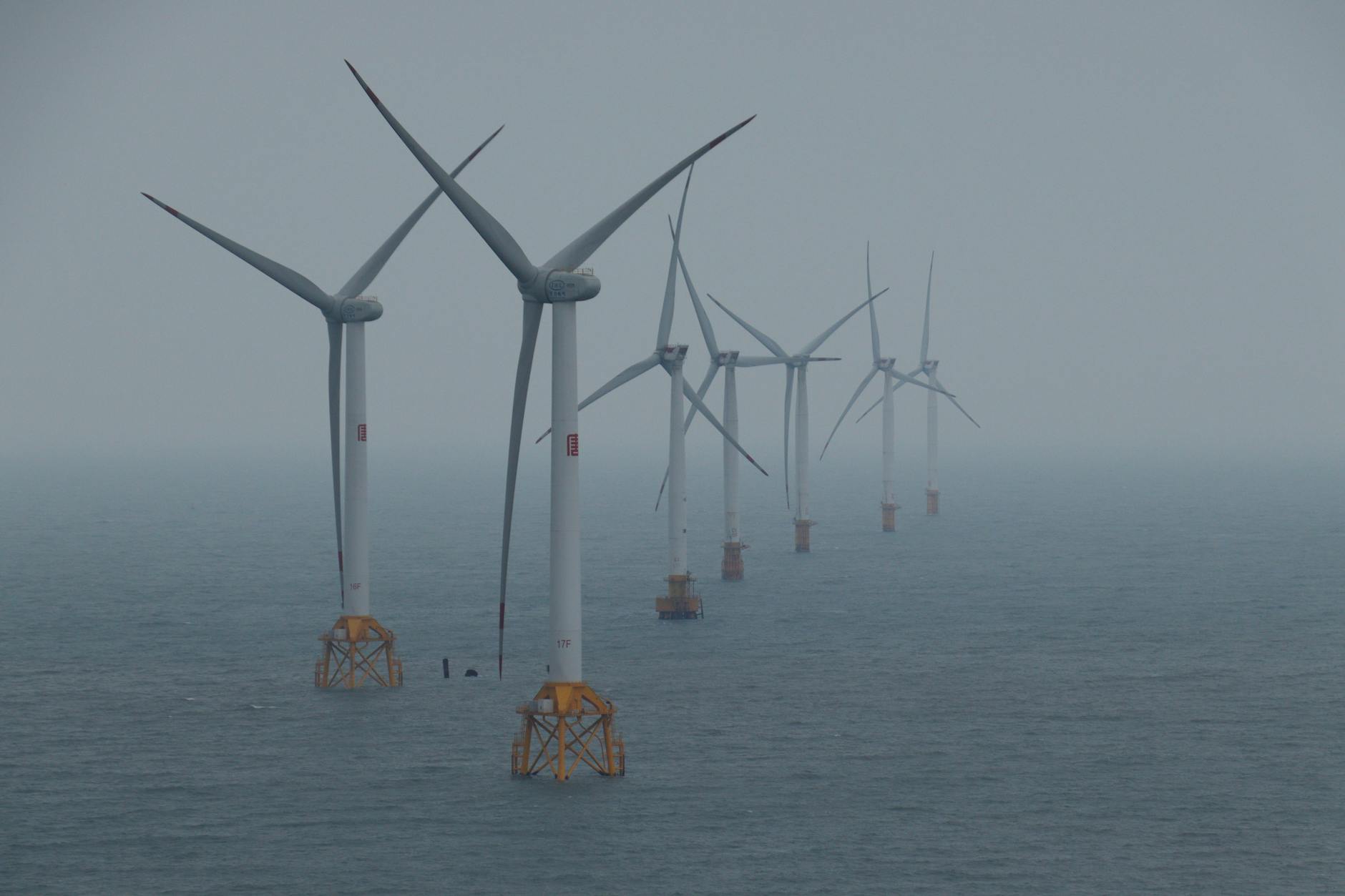
The Statkraft executive’s frustration centres significantly on untapped potential within Irish waters, particularly the Irish Sea. Despite possessing exceptional offshore wind resources, Ireland has lagged behind European counterparts in developing maritime renewable installations. The Irish Sea represents a particularly significant missed opportunity, offering shallow waters, proximity to major population centres including Dublin, and consistent wind patterns ideal for large-scale energy generation.
Energy market analysts confirm that renewable generation has demonstrably reduced Ireland’s exposure to fossil fuel price volatility. When oil prices spike due to geopolitical events, countries with higher renewable penetration experience dampened effects on electricity costs. This insulation mechanism becomes increasingly valuable as global energy markets face ongoing uncertainty from climate policy changes, international conflicts, and supply chain disruptions.
The economic implications extend beyond household electricity bills. Irish businesses, particularly energy-intensive manufacturing operations, benefit substantially from stable, predictable energy costs. The IDA Ireland frequently highlights Ireland’s renewable energy credentials when attracting foreign direct investment, especially from technology companies seeking to meet corporate sustainability commitments while managing operational costs.
Ireland’s Climate Action Plan 2023 targets seventy percent renewable electricity by 2030, requiring continued substantial investment in wind, solar, and emerging technologies including offshore wind farms. Achievement of these targets would further insulate the Irish economy from international energy market disruptions while advancing the nation’s decarbonisation objectives.
The current geopolitical situation reinforces the strategic importance of energy independence through renewable development. While complete insulation from global energy markets remains impossible given Ireland’s continued natural gas usage for heating and backup generation, each percentage point increase in renewable penetration strengthens national energy security and consumer protection.
Industry observers note that accelerating offshore wind development, particularly in the Irish Sea, could transform Ireland from an energy importer to a potential electricity exporter. Several proposed projects await planning approval and grid connection agreements, representing billions in potential investment and thousands of construction jobs.
The renewable energy sector’s protective effect during recent international tensions provides tangible evidence supporting continued investment in indigenous clean energy infrastructure, positioning Ireland to weather future global market volatility while advancing climate objectives simultaneously.