Irish consumers are increasingly choosing electric vehicles when making new car purchases, marking a significant shift in the automotive market despite lingering concerns about charging infrastructure and driving range. The transition toward electrification reflects broader European trends but highlights Ireland’s unique challenges in meeting ambitious climate targets while addressing practical consumer needs.
The Enterprise Ireland automotive sector has witnessed substantial growth in EV adoption rates as Irish buyers weigh environmental considerations alongside financial incentives. Government grants and reduced benefit-in-kind taxation for electric company cars have created compelling economic arguments for both private buyers and fleet managers considering the switch from traditional combustion engines.
Recent registration data demonstrates that fully electric vehicles now represent a growing proportion of new car sales in Ireland, with quarterly figures showing consistent upward momentum. This trajectory aligns with national climate action objectives requiring substantial reductions in transport emissions by 2030. The transport sector currently accounts for approximately forty percent of Ireland’s energy-related carbon emissions, making vehicle electrification central to achieving legally binding climate commitments.
Despite this positive momentum, prospective buyers continue expressing reservations about practical aspects of EV ownership. Range anxiety remains the predominant concern, with potential customers questioning whether single-charge distances adequately serve Ireland’s geographical spread and rural population distribution. Average daily commuting distances in Ireland typically fall well within modern EV capabilities, yet psychological barriers persist regarding longer occasional journeys.
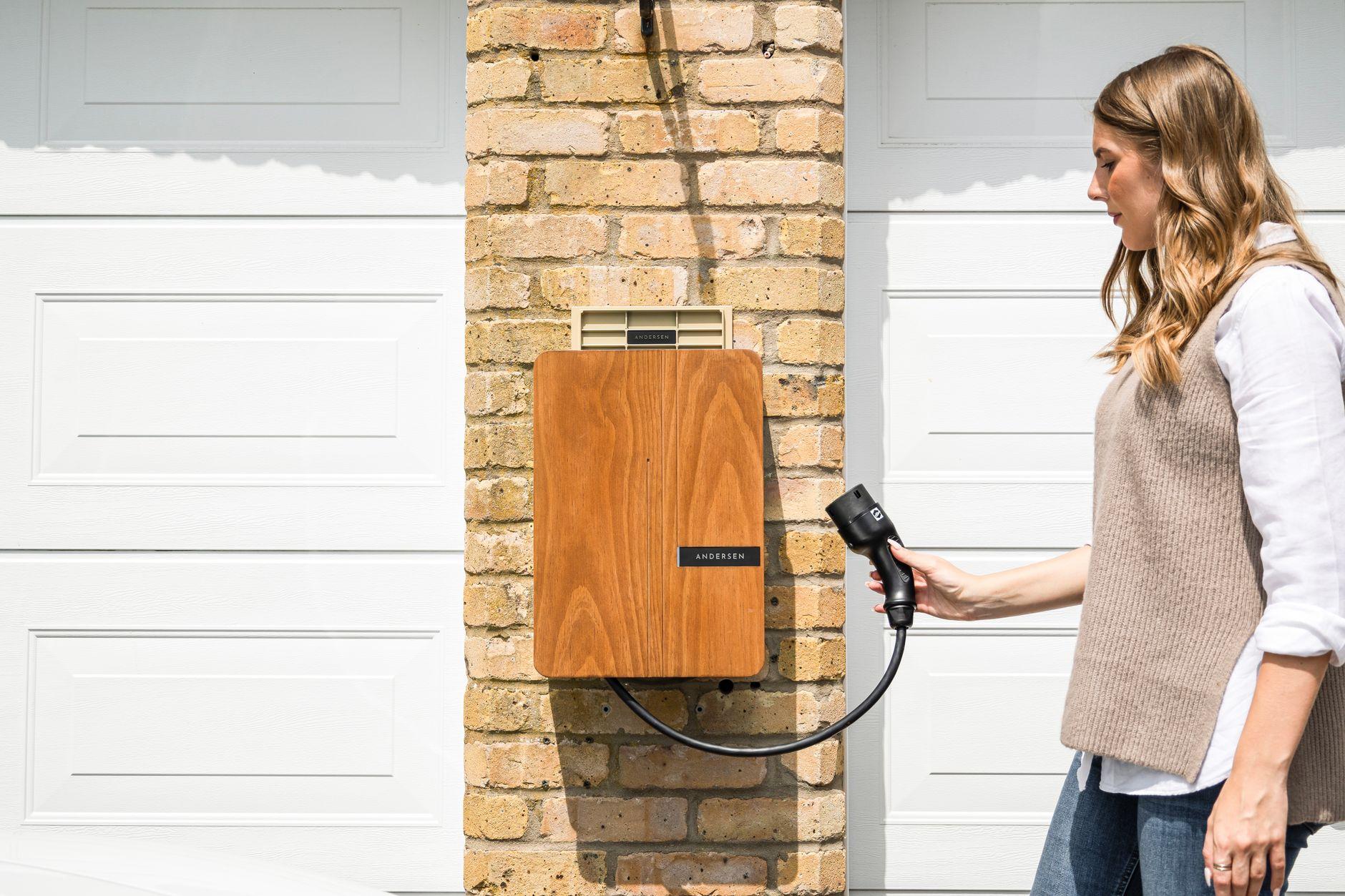
Charging infrastructure availability represents another critical consideration influencing purchase decisions. While urban centres have seen substantial expansion of public charging points, rural and regional coverage remains inconsistent. The ESB networks continue expanding nationwide charging provision, but gaps in motorway services and rural towns create legitimate concerns for drivers contemplating complete dependence on electric power.
Purchase price differential between comparable electric and petrol models continues affecting buyer decisions, particularly in the mass-market segments where price sensitivity runs highest. Although total cost of ownership calculations frequently favour EVs when accounting for fuel savings and maintenance reductions over typical ownership periods, the initial capital outlay remains substantially higher. This pricing gap disproportionately impacts middle-income households who might otherwise embrace electrification.
Battery technology concerns also feature prominently in consumer hesitation. Questions about long-term battery degradation, replacement costs, and residual values create uncertainty for buyers accustomed to established petrol and diesel vehicle lifecycles. Insurance premiums for electric vehicles have additionally emerged as an unexpected cost factor, with some providers charging elevated rates citing repair complexities and parts availability challenges.
The used EV market remains relatively underdeveloped in Ireland compared to conventional vehicles, limiting options for budget-conscious buyers who traditionally rely on second-hand purchases. As early-generation electric vehicles enter the used market in greater numbers, this segment should expand, potentially democratizing access to electric mobility beyond new-car buyers.
Corporate fleet operators have demonstrated particularly strong EV adoption rates, driven by favourable tax treatment and corporate sustainability commitments. Company car policies increasingly default toward electric options, creating a pipeline of nearly-new vehicles that will eventually strengthen the used market while familiarizing more Irish drivers with electric vehicle characteristics.
Looking forward, continued infrastructure investment, improving battery technology, and expanding model availability across price points should address many current consumer concerns. The Irish automotive market stands at a pivotal transition point where environmental imperatives, economic incentives, and technological advancement converge to reshape personal transportation fundamentally. Success in managing this transition will significantly determine whether Ireland meets its 2030 climate targets while maintaining mobility across all population segments and geographical regions.