The suspension of Irish beef exports to China due to a case of atypical bovine spongiform encephalopathy (BSE) has placed significant importance on the upcoming bilateral talks between Taoiseach Leo Varadkar and Chinese Premier Li Qiang.
These talks, scheduled to take place at Farmleigh House, provide a crucial opportunity to discuss the resumption of Irish beef exports to China, a market that has shown substantial growth in recent years.
With bilateral trade reaching a record 25.3 billion in 2022 and Chinese investment playing a pivotal role in Ireland’s economic growth, the reopening of the Chinese market to Irish beef is of utmost priority.
As the discussions unfold, the fate of Irish beef exports hangs in the balance, leaving stakeholders eagerly anticipating the outcome.
Temporary halt of Irish Beef Exports
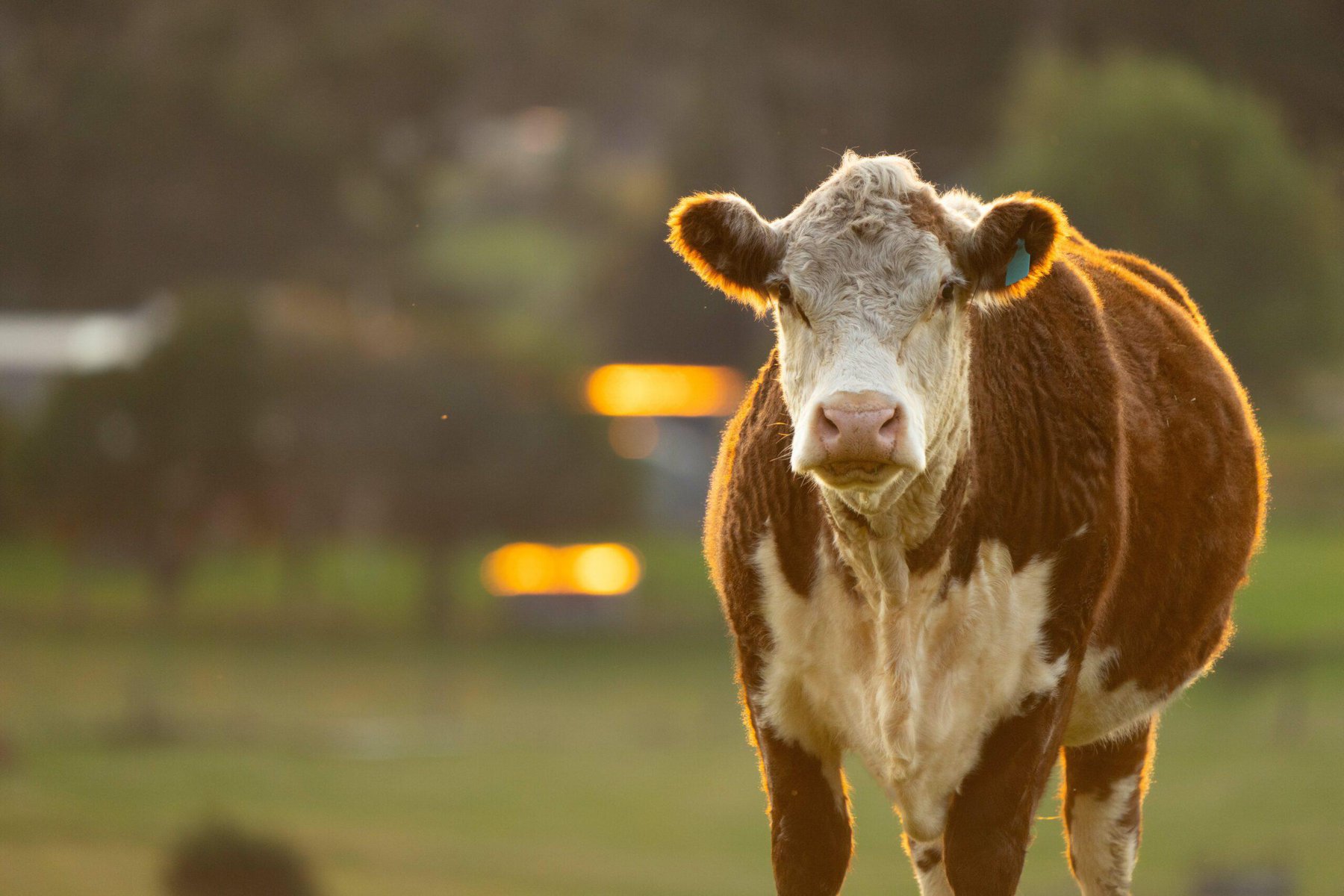
The suspension of Irish beef exports to China has had significant implications for the Irish agricultural industry. The suspension was imposed following the detection of a case of atypical bovine spongiform encephalopathy (BSE) in November. Although the affected cow did not enter the food or feed chain, the protocol with China required the suspension of exports.
This development has raised concerns among Irish farmers and industry stakeholders, as China has emerged as a key export market for Irish beef in recent years. In 2019, Irish exports to China were valued at almost £40 million, and the bilateral trade between the two countries has grown significantly in Ireland’s favour.
The suspension of exports has led to a loss of revenue and market access for Irish beef producers, highlighting the importance of resolving the issue through bilateral talks between Irish and Chinese officials.
Bilateral Talks With Chinese Prime Minister
Following the suspension of Irish beef exports to China, there is an urgent need for bilateral talks with the Chinese Premier to address the impact of this issue on the Irish agricultural industry and explore possibilities for the resumption of trade.
Chinese Premier Li Qiang is set to meet with Taoiseach Leo Varadkar for these crucial discussions in Dublin. As China’s second most powerful politician after President Xi Jinping, Premier Li’s involvement in the talks highlights the significance of the matter.
The talks will take place at Farmleigh House, providing an opportunity for both sides to engage in meaningful dialogue. Martin Murray, executive director of Asia Matters, hopes that the resumption of Irish beef exports will be one of the key topics discussed.
These talks hold the potential to reopen the Chinese market to Irish beef, contributing to the growth and sustainability of the Irish agricultural sector.
Growth of Irish Exports to China
Irish exports to China have experienced significant growth in recent years, positioning China as Ireland’s fourth-largest trade partner and fifth-largest goods export market. The bilateral trade between the two countries has significantly favoured Ireland, with a record £25.3 billion in bilateral trade reached in 2022.
In particular, Irish exports to China have grown to £14 billion, showcasing a remarkable 76% increase in the agri-food sector over the last decade. This growth highlights the strong demand for Irish products in the Chinese market, particularly in sectors such as dairy, seafood, and meat.
The expansion of Irish exports to China not only contributes to Ireland’s economic growth but also strengthens the trade relationship between the two nations.
Chinese Investment in Ireland
With the rapid growth of Irish exports to China, it is clear that Chinese investment in Ireland has played a crucial role in fostering economic development and job creation.
Chinese investment in Ireland amounts to nearly 10 billion, contributing to the country’s economic growth and creating 5,000 high-quality jobs. One notable example is TikTok, which alone employs nearly 3,000 people in Ireland.
This investment has helped Ireland become China’s fourth-largest trade partner and fifth-largest goods export market. The economic partnership between Ireland and China has proven to be mutually beneficial, with bilateral trade reaching a record 25.3 billion in 2022.
As Ireland welcomes Chinese investment, it values the opportunities it brings for expanding trade and strengthening economic ties between the two nations.
Ireland’s BSE Controls and Risk Rating
Ireland’s robust and effective controls for bovine spongiform encephalopathy (BSE) have earned it the World Organisation for Animal Health’s (WOAH) negligible risk status, reflecting the country’s commitment to ensuring the safety of its beef exports.
These controls are in line with legal requirements and best international practices, making Ireland a trusted source of high-quality beef.
The recent detection of an atypical BSE case in Ireland, while not notifiable to WOAH, further demonstrates the effectiveness of Ireland’s food and feed safety controls.
It is important to note that Ireland exports over 90% of the beef it produces, highlighting the significance of maintaining stringent BSE controls.
The country’s commitment to upholding these controls will be crucial in the ongoing discussions to resume beef exports to China.
Summary
In conclusion, the forthcoming bilateral discussions between Taoiseach Leo Varadkar and Chinese Premier Li Qiang are vital for resolving the suspension of Irish beef exports to China.
The increase in Irish exports to China and Chinese investment in Ireland emphasize the economic importance of reopening the Chinese market to Irish beef.
It is necessary to tackle Ireland’s BSE controls and risk rating to guarantee the resumption of beef trade and uphold the positive bilateral trade relationship.