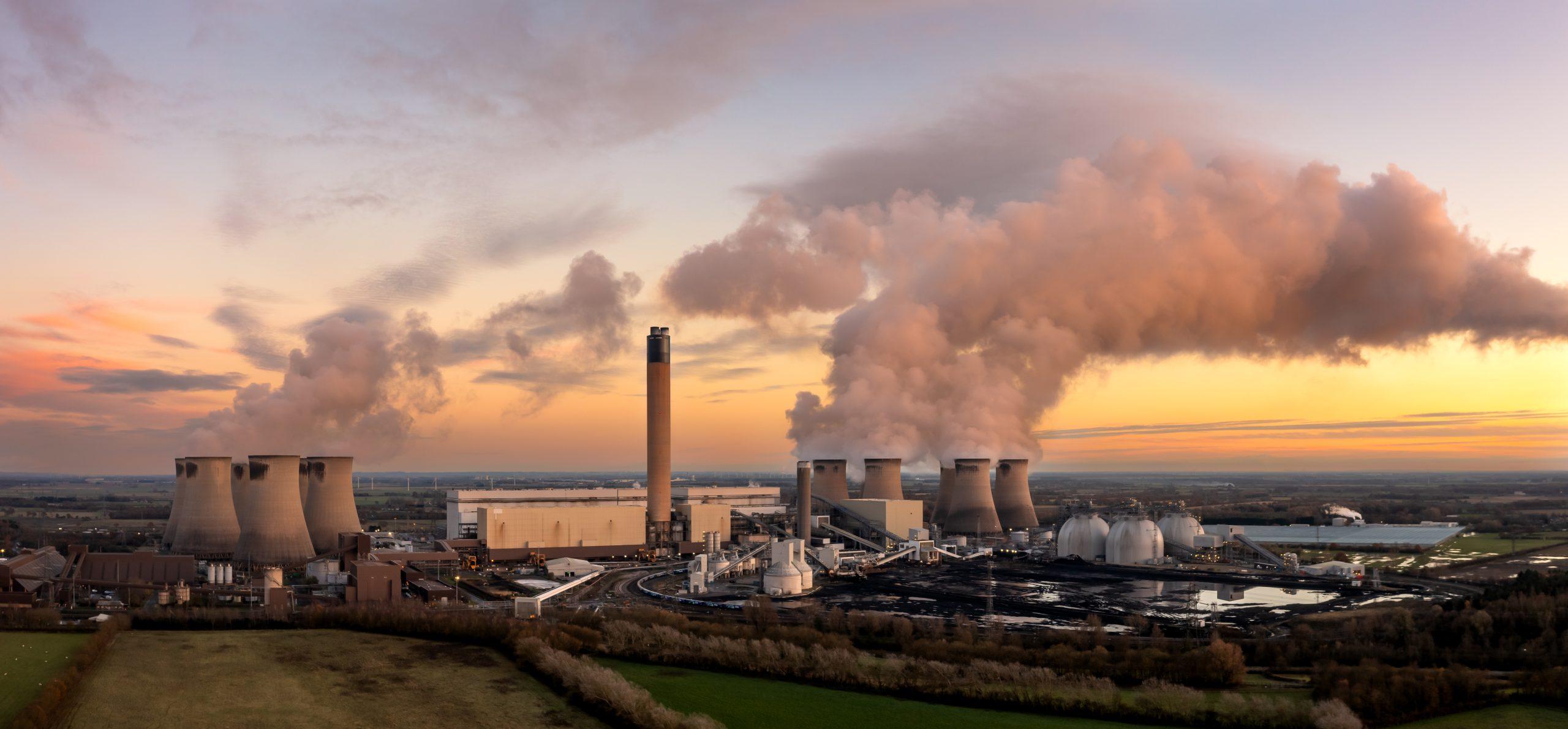
At COP30 in Belem, Brazil, Ireland has emerged as a pivotal advocate for a global phase-out of fossil fuels. Led by Minister Darragh O’Brien, the Irish delegation seeks to forge alliances with EU partners and countries like the UK and Colombia. Their approach, grounded in the Mutirao framework, emphasizes transparency and shared responsibility. As discussions progress, the implications of these efforts on global climate strategy remain to be seen. What challenges might arise in their pursuit?
Ireland’s Leadership at COP30
Although the COP30 conference in Belem, Brazil, marks a significant moment for global climate dialogue, Ireland’s leadership stands out through its proactive stance on the fossil fuel phase-out.
Minister Darragh O’Brien leads the Irish delegation, advocating for the integration of a fossil fuel phase-out in the agreement. Ireland hosted a pivotal meeting that garnered support from various nations, emphasizing the necessity of reducing fossil fuel dependency.
The collaboration with EU and global partners underlines a shared commitment to renewable energy. This initiative aims to establish a clear roadmap for a sustainable future, reinforcing Ireland’s role in global climate action.
The Role of Mutirao in Climate Cooperation
Mutirao, a Brazilian concept of collective cooperation, plays an essential role in fostering climate cooperation at COP30. This approach encourages nations to collaborate on pressing climate issues, such as the phase-out of fossil fuels.
Led by Brazilian COP30 President Andre Correa Do Laga, the Mutirao initiative aims to facilitate dialogue on critical topics like climate finance and transparency in climate actions. By emphasizing shared responsibility, it seeks to unify efforts among countries to finalize agreements on contentious matters.
The Mutirao model exemplifies a collective commitment to addressing climate challenges, reinforcing the importance of cooperation in achieving sustainable outcomes at COP30.
Building Support for Fossil Fuel Reduction
The momentum established by the Mutirao initiative at COP30 provides a strong foundation for building support for fossil fuel reduction among nations.
Ireland’s delegation, led by Minister Darragh O’Brien, actively encourages collaboration with other countries, emphasizing a unified approach to shifting away from fossil fuels.
Support from nations like the UK, Germany, and Colombia highlights a collective commitment to achieving an equitable phase-out.
The focus on renewable energy and transparent climate actions further strengthens this coalition.
As countries recognize the urgency of climate change, the dialogue at COP30 fosters optimism for achieving a global consensus on fossil fuel reduction.
Evaluating Ireland’s Emissions Performance
How effectively has Ireland managed its greenhouse gas emissions in recent years?
Ireland’s emissions performance reflects a complex picture. The country exceeded its carbon budget by ten million tonnes for the 2020-2025 period, indicating challenges in meeting targets.
However, greenhouse gas emissions per capita halved during the same timeframe, despite a growing population. This reduction suggests progress in efficiency and sustainability efforts.
Significantly, the overshoot represents less than 3.4% of the total carbon budget, a manageable figure.
Former minister Eamon Ryan emphasized the necessity for ongoing advancements and confidence in achieving future climate goals, highlighting a path forward.
Charting a Sustainable Future for Climate Action
As Ireland forges ahead in its climate action initiatives, the emphasis on integrating sustainable practices into everyday life becomes increasingly critical.
The country’s commitment to a fossil fuel phase-out aligns with a broader global movement towards renewable energy. By fostering collaboration among nations at COP30, Ireland aims to establish a clear roadmap for equitable shifts.
This collective effort highlights the significance of addressing health, wealth, and societal impacts within climate strategies. As sustainable practices gain traction, the integration of climate solutions into daily routines emerges as a foundational step towards ensuring a resilient and environmentally conscious future for all.
Conclusion
Ultimately, Ireland’s proactive stance at COP30 underscores its commitment to a global phase-out of fossil fuels, highlighting the importance of collaboration with international partners. Through the Mutirao framework, the Irish delegation aims to foster transparency and shared responsibility in the fight against climate change. By advocating for renewable energy and reducing fossil fuel dependency, Ireland is not only addressing its own emissions but also paving the way for a sustainable future in global climate action.