
Ireland is bracing for a severe energy crisis in winter 2025, with delayed economic impacts from Middle East geopolitical tensions expected to materialize in consumer energy bills during the latter half of this year, according to energy sector analysis. The warning comes as European energy markets remain vulnerable to supply disruptions, with Ireland’s heavy reliance on imported fossil fuels creating particular exposure to international price volatility.
Industry experts anticipate that Irish households and businesses will experience minimal immediate impact from current Middle East conflicts, but warn that energy price pressures will intensify significantly as the year progresses. This timeline reflects the lag between wholesale energy market movements and retail price adjustments, with suppliers typically operating on forward contracts that insulate consumers temporarily before market realities filter through to bills.
Ireland’s energy security remains fundamentally dependent on stable international supply chains, with the country importing approximately ninety percent of its energy requirements. The Sustainable Energy Authority of Ireland has repeatedly highlighted this strategic vulnerability, particularly as renewable energy capacity, while growing, still cannot meet total demand during peak winter consumption periods when heating requirements surge across residential and commercial sectors.
The anticipated crisis would compound existing affordability challenges for Irish consumers already navigating elevated living costs. Recent Central Statistics Office data indicates that energy costs remain significantly above pre-pandemic levels, with electricity and gas prices constituting a substantial proportion of household expenditure, particularly for lower-income families who dedicate larger percentages of their budgets to heating and power.
Current Middle East tensions carry particular significance for European energy markets given the region’s substantial role in global oil production and its strategic position along critical shipping routes. Any escalation affecting production facilities or maritime transport through chokepoints like the Strait of Hormuz could trigger immediate supply constraints and corresponding price spikes across international markets, with European importers particularly exposed given limited alternative sourcing options.
Irish energy providers have been operating within an increasingly complex market environment since Russia’s invasion of Ukraine fundamentally disrupted European energy security assumptions. While Ireland imports no direct Russian gas, the country remains exposed to European wholesale market dynamics where competition for alternative supplies has driven sustained price elevation. The upcoming winter period traditionally represents peak demand season, when any supply constraints generate magnified market impacts.
Government preparedness measures will prove critical in mitigating potential consumer hardship during any winter energy crisis. Previous energy support schemes implemented during 2022 and 2023 provided temporary relief but created substantial fiscal costs, with taxpayers ultimately bearing the burden of subsidized energy consumption. Policymakers face difficult decisions balancing consumer protection against fiscal sustainability, particularly as other budgetary pressures mount across healthcare, housing and infrastructure demands.
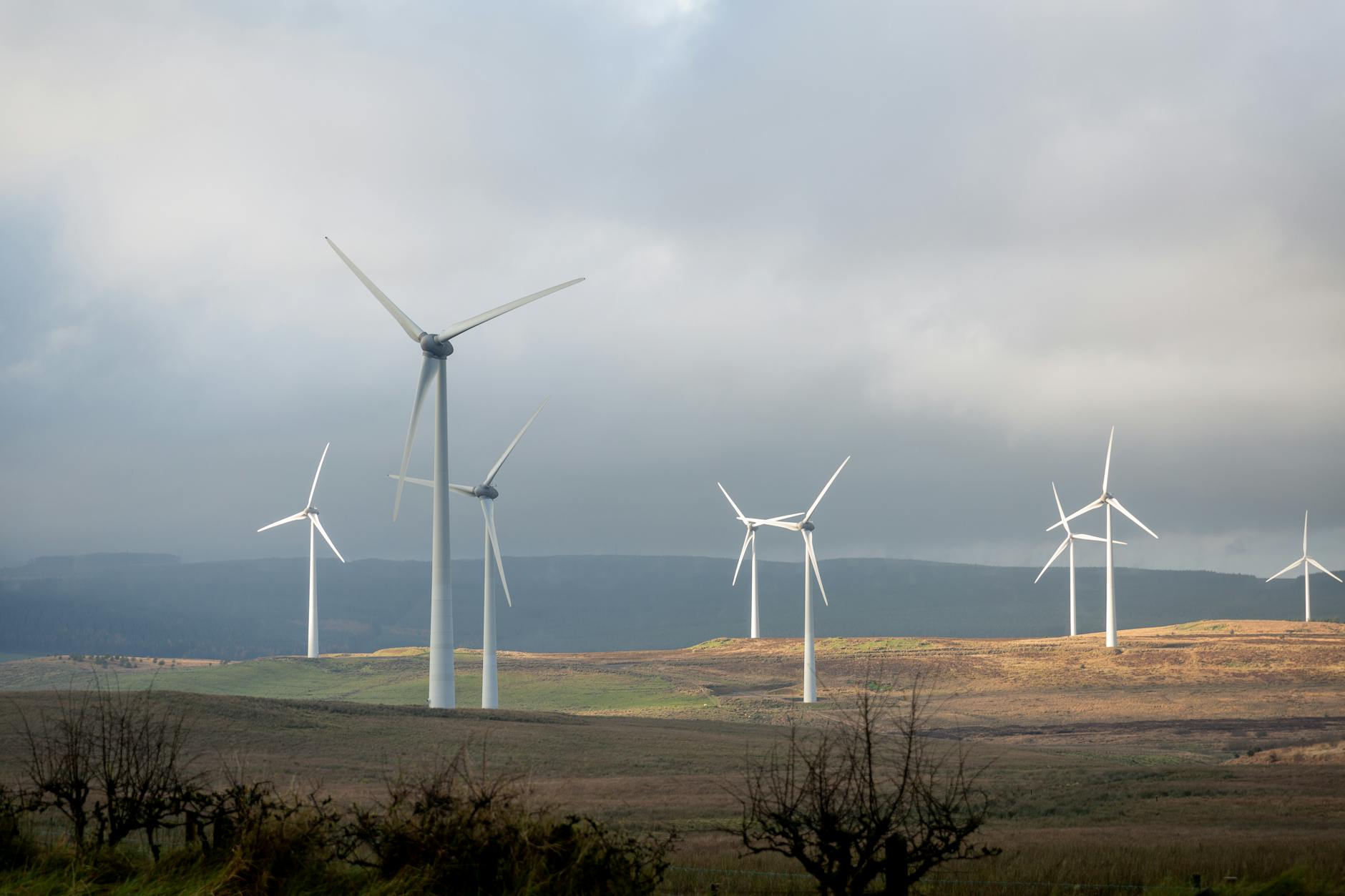
Ireland’s renewable energy transition assumes greater urgency within this context, with accelerated deployment of wind, solar and alternative generation capacity offering the only sustainable pathway toward genuine energy independence. Current targets envision renewable electricity reaching eighty percent of total generation by 2030, though achieving this ambitious goal requires unprecedented investment in generation assets, grid infrastructure and energy storage capabilities to manage intermittency challenges inherent in weather-dependent renewable sources.
The business sector faces equally significant exposure to energy price volatility, with manufacturing, data centers and energy-intensive industries particularly vulnerable to cost increases that erode competitiveness. Ireland’s attractiveness as a foreign direct investment destination partly reflects stable operating conditions, and sustained energy price elevation could influence corporate location decisions, particularly for facilities with flexible geographic deployment options.
Consumer behavior modifications may become necessary if supply constraints materialize alongside price pressures. Energy conservation measures, demand management programs and consumption timing adjustments could all feature in response strategies, though implementing such changes across millions of households and thousands of businesses presents substantial coordination challenges requiring clear government communication and potentially regulatory interventions.
The energy sector continues monitoring international developments closely, with contingency planning underway across utility providers, regulators and government departments. Whether the anticipated winter crisis materializes depends substantially on Middle East stability, global supply chain resilience and weather conditions affecting both renewable generation output and heating demand throughout the 2025-2026 winter season.