
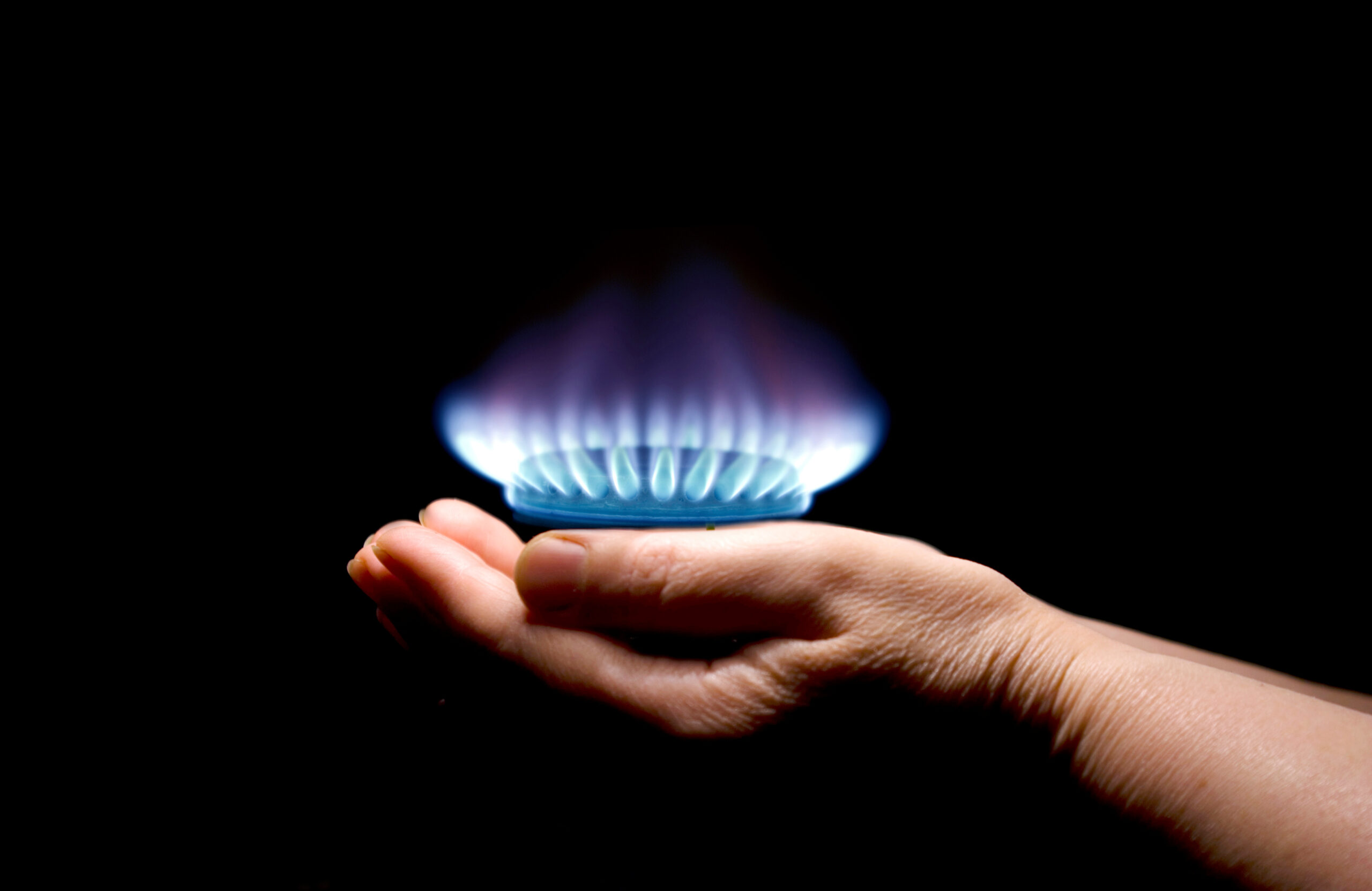
Gas demand in Ireland decreased by 20% in August compared to the previous year, and dropped by 2% from July.
Despite this decline, gas remained the primary source of electricity generation, satisfying 46% of the country’s power needs. At certain points in the month, gas was responsible for almost 90% of Ireland’s electricity.
Wind power also experienced significant growth, reaching a peak of 78% in August and contributing 35% to electricity generation, up from 19% last year. However, wind supply occasionally reached negligible levels, accounting for less than 1% of electricity generation at times.
Coal’s contribution remained relatively low at 3%, with a peak of 13% during the month.
The dominance of gas and wind generation highlights the importance of diversifying energy sources. Gas Networks Ireland emphasizes the reliability and flexibility of gas as an electricity generation source, while supporting the integration of renewable energy into the grid.
Decrease in Gas Demand Compared to Last Year
Gas demand in August was down by a fifth compared to the same month last year. This decline in demand can be attributed to several factors.
One factor is the mild weather conditions experienced during August. With temperatures being relatively mild, there was less need for gas consumption for heating purposes.
Another factor is the ongoing efforts to promote energy efficiency and the use of alternative energy sources. These efforts have also contributed to the decrease in gas demand.
As a result of the reduced demand, gas providers have had to adjust their production and supply strategies.
Despite the decline, gas remained the biggest contributor to electricity generation in August, highlighting its continued importance in meeting the country’s energy needs.
Gas Demand Drops by 2% in August
Wind and coal generation remained relatively steady in August. Overall electricity demand experienced a slight decrease of 2%. Despite this decrease in demand, gas remained the biggest contributor to electricity generation, providing 46% of the country’s electricity needs. Gas power also accounted for almost 90% of the country’s electricity at certain times during the month.
On the other hand, coal’s contribution to electricity generation remained relatively low, making up only 3% of the total generation in August. This decline in gas demand can be attributed to various factors, including the mild weather conditions experienced in August.
Gas Networks Ireland continues to emphasize the importance of gas and wind generation in meeting Ireland’s energy needs. They highlight the reliability and flexibility of gas as a source of electricity generation.
Gas as the Primary Contributor to Electricity Generation
Coal’s contribution to electricity generation remained relatively low in August, emphasizing the dominance of gas and wind as the primary sources of Ireland’s electricity supply.
According to the latest report, coal only accounted for 3% of Ireland’s electricity generation during the month, with a peak of 13%. In contrast, gas remained the biggest contributor, providing 46% of the country’s electricity needs, and wind power generation reached a peak of 78%.
While coal’s contribution was minimal, gas and wind collectively dominated Ireland’s electricity supplies. Gas Networks Ireland’s Acting Director of Strategy and Regulation, Brian Mullins, highlighted the importance of gas and wind in meeting the country’s energy needs, noting their reliability and flexibility.
The report also suggests that coal generation is expected to decrease further in the future, reinforcing the significance of diversifying energy sources.
Wind Power Generation Peaks in August
Renewable energy sources played a significant role in meeting Ireland’s electricity demand in August. Wind power generation reached a peak of 78%, contributing 35% to electricity generation, a significant increase from the previous year’s 19%. Gas remained the largest contributor to electricity generation, powering almost 90% of the country’s electricity at times during the month. Coal, on the other hand, only contributed 3% to Ireland’s electricity generation in August, with its peak reaching 13%. The dominance of gas and wind generation collectively highlights the importance of diversifying energy sources and supports the integration of renewable energy into the electricity grid. Gas Networks Ireland continues to recognize the reliability and flexibility of gas as a source of electricity generation.
Coal’s Relatively Low Contribution to Electricity Generation
Despite the relatively low contribution of coal to electricity generation in August, the overall energy mix showcased the importance of diversifying energy sources.
Coal only accounted for 3% of Ireland’s electricity generation during the month, with its peak contribution reaching 13%.
Gas and wind, on the other hand, remained the primary sources of electricity, collectively dominating the country’s supplies.
Gas demand in August was down by 20% compared to the same month last year and by 2% compared to July. Gas provided 46% of Ireland’s electricity needs and powered almost 90% of the country’s electricity at times during the month.
Wind power generation saw a significant increase, contributing 35% to electricity generation, up from 19% last year, with peak generation reaching 78%.
Despite the decline in coal usage, the combination of gas and wind highlighted the need to continue diversifying energy sources for a secure and sustainable energy system.