
Environmental concerns and running costs were the most common factors driving electric vehicle purchases in 2024, according to figures published today by the Central Statistics Office.
Making more of a contribution to a better environment influenced 59.4% of electric vehicle buyers, while 72.1% cited better affordability to run as an important factor. One in five (20.1%) said the availability of purchase grants was an important factor.
Key figures
- 59.4% of electric vehicle buyers cited environmental contribution as an important factor
- 72.1% said better affordability to run influenced their purchase decision
- 6.9% of people residing in Dublin owned an electric vehicle in 2024, compared with 6.0% of those living outside Dublin
- 24.4% of electric vehicle owners cited access to charging at home as an influencing factor, up from 10.4% in 2021
- Environmental concerns influenced 61.4% of female buyers compared with 57.7% of male buyers
- Reduced running costs were important to 72.0% of male buyers and 72.2% of female buyers
Electric vehicle ownership narrows between Dublin and rest of country
The urban and rural divide in electric vehicle ownership between Dublin and the rest of the country decreased since 2021. In 2024, 6.9% of Dublin residents owned an electric vehicle, up from 4.9% in 2021. Outside Dublin, 6.0% owned an electric vehicle, compared with 2.5% in 2021.
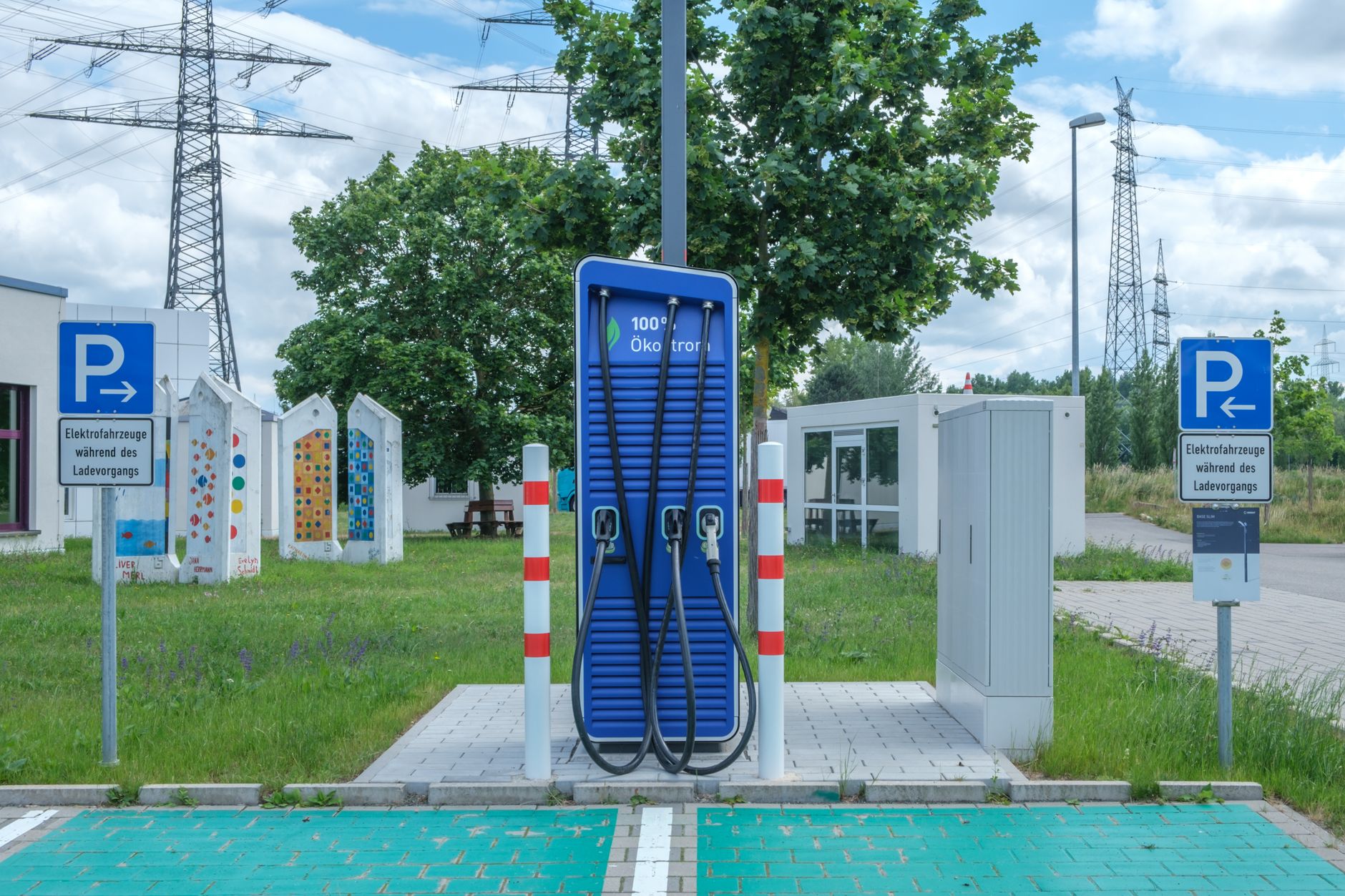
Access to charging infrastructure became a more important consideration for buyers. The importance of access to charging at home more than doubled to 24.4% in 2024 from 10.4% when the survey was last carried out in 2021.
Other affordability factors that influenced purchases included reduced motor tax and availability of purchase grants, alongside concerns about access to public charging points.
Active travel declined since 2021
Sustainable mobility through active travel decreased since the last survey. Walking as the main mode of travel declined to 13.6% of all trips in 2024, down from 16.9% in 2021, returning to similar levels as before COVID-19 (13.5% in 2019).
Cycling also dropped slightly. Just 2.0% of all journeys were made by bicycle in 2024, compared with 2.2% in 2021 and 1.5% in 2019. Almost three-quarters (74.2%) of respondents never cycled, down slightly from 74.4% in 2021. Among females, 82.3% never cycled in 2024 compared with 65.8% of males.
At an overall level, 38.9% of respondents aged 18 years and over walked at least five times a week in 2024, down from 46.5% in 2021. One in five (19.8%) walked three to four times a week, compared with 21.2% in 2021. More than one in six (17.5%) said they never walked, up from 10.9% in 2021.
What this means for Irish businesses
The continued growth in electric vehicle ownership, particularly outside Dublin, may create opportunities for businesses in the charging infrastructure sector and related services. The doubling in importance of home charging access since 2021 suggests businesses involved in residential charging installation could see increased demand.
The decline in active travel and limited uptake of public transport may have implications for retail and service businesses that rely on foot traffic in urban areas. Nearly six in ten (57.6%) people aged 18 years and over never used bus services in 2024, down marginally from 58.6% in 2021, while 60.7% never used rail services, similar to the 2021 figure of 60.0%.
Travel by bus accounted for 4.1% of journeys in 2024, a marginal decline on 2021 usage (4.3%) and 4.8% in 2019. Travel by rail accounted for 1.4% of all journeys in the last four months of 2024, compared with 1.7% in 2019 and 1.2% in 2021.
The increase in carpooling as an alternative mode of travel for work journeys, rising to 7.5% in 2024 from 2.8% in 2021, could affect parking demand and related services. For 68.3% of drivers undertaking journeys to work by car, there was no alternative mode of travel.
The survey was carried out in Quarter 4 of 2024 and is the second of three releases based on the results of the National Travel Survey.
Source: Central Statistics Office, Sustainable Mobility and Transport 2024