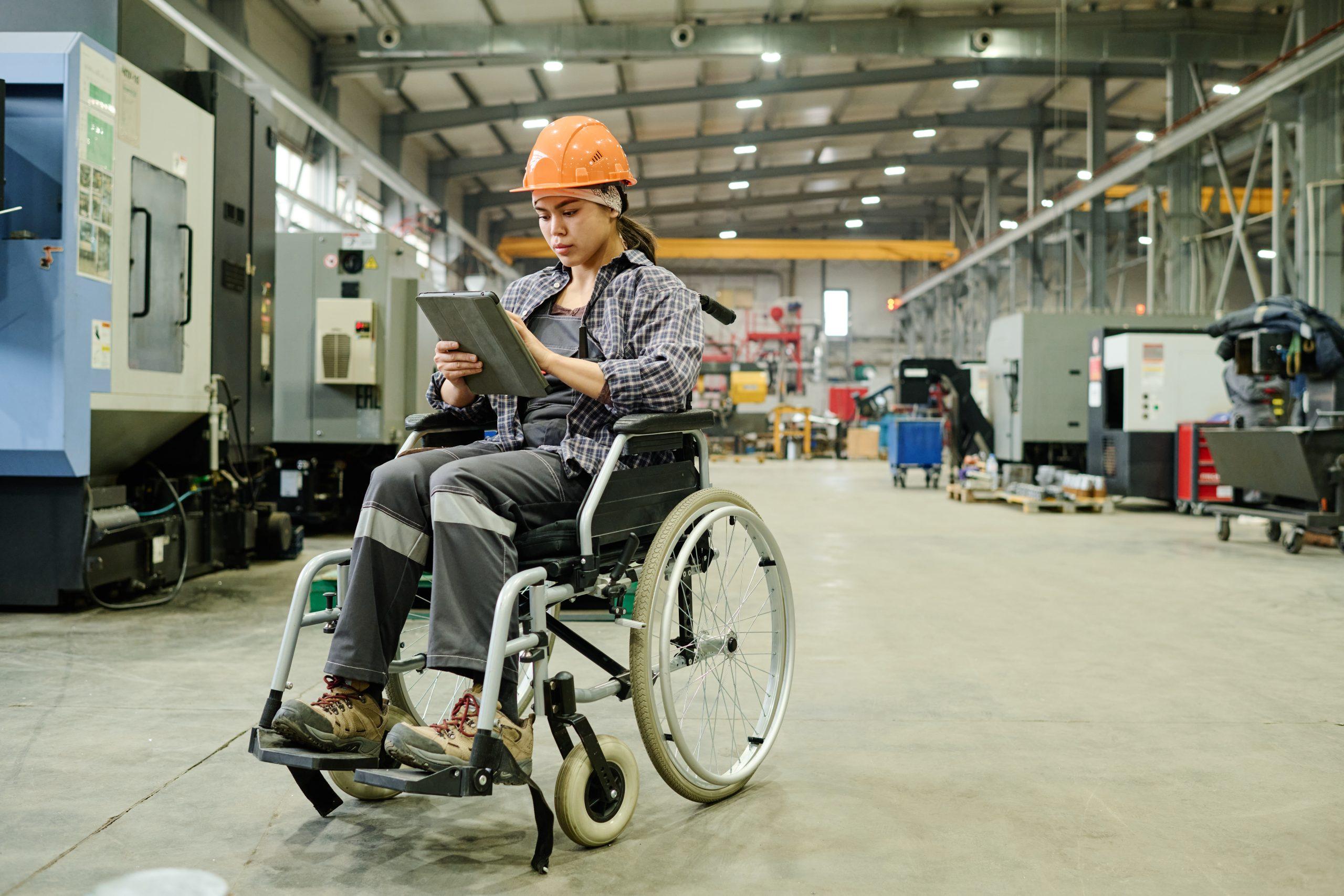
The integration of innovative technology in the workplace is reshaping opportunities for workers with disabilities. Tools like AssistiV provide essential support, enhancing task engagement and fostering independence. This shift not only benefits individuals but also transforms the business landscape. As companies seek to create inclusive environments, questions arise about the broader implications for workplace dynamics and employee satisfaction. What does this mean for the future of work?
The Vision Behind AssistiV Technology
Although many individuals with intellectual and developmental disabilities face significant barriers in the workforce, the vision behind AssistiV technology seeks to transform these challenges into opportunities for empowerment and independence.
AssistiV is designed to simplify complex tasks through visual, textual, and auditory cues, enabling users to navigate their responsibilities with confidence. Currently supporting diverse roles in sectors like hospitality, the technology aims to expand opportunities, aiming to create 1,000 jobs within five years.
Enhancing User Experience in the Workplace
As organizations increasingly recognize the value of inclusivity, enhancing user experience in the workplace for individuals with disabilities becomes paramount.
AssistiV technology exemplifies this commitment by simplifying complex tasks into accessible formats, such as pictures, text, or audio clues. Users like Emma and Kate Connolly at the Hyatt Centric Hotel report increased confidence and independence while completing tasks.
This innovative approach not only aids memory retention but also fosters a supportive environment. By enhancing workplace experiences for individuals with disabilities, organizations can create a more inclusive atmosphere, benefiting both employees and the overall productivity of the business.
Government Initiatives and Support
Government initiatives play an essential role in the successful implementation and expansion of technologies like AssistiV, which aim to enhance employment opportunities for individuals with disabilities.
The Minister for Social Protection, Dara Calleary, emphasizes the importance of innovative solutions that positively impact lives. By committing to increasing meaningful employment for those with additional needs, the government showcases a blend of technology and empathy as vital for success.
This backing not only facilitates broader employment opportunities but also fosters an environment where individuals with disabilities can thrive, ultimately contributing to a more inclusive workforce and society.
Collaborative Efforts With Organizations
Collaborating with organizations such as Down Syndrome Ireland, NOW Group, and the National Learning Network greatly enhances the impact of AssistiV technology.
These partnerships focus on supporting individuals with learning disabilities in securing employment opportunities. By combining their expertise, these organizations and AssistiV work towards refining the technology to better meet user needs.
Additionally, joint efforts promote awareness and accessibility within the workforce, ensuring that employers recognize the potential of individuals with disabilities.
This collaborative framework ultimately aims to improve job prospects, fostering a more inclusive environment for those seeking meaningful employment in various sectors.
The Positive Impact on Businesses and Employees
The implementation of AssistiV technology in workplaces has proven to be beneficial for both businesses and employees. By simplifying complex tasks, it empowers individuals with disabilities to work independently, enhancing their confidence and productivity.
Companies adopting AssistiV report improved employee retention and job satisfaction, fostering a more inclusive work environment. This technology addresses communication barriers, enabling businesses to tap into a diverse talent pool.
The mutual benefits extend beyond individual workers, as organizations experience increased efficiency and innovation. Overall, AssistiV not only transforms the workplace culture but also contributes positively to the bottom line, showcasing the value of inclusive practices.
Conclusion
To sum up, the integration of innovative technologies like AssistiV is transforming the workplace for individuals with disabilities, fostering both independence and confidence. By prioritizing inclusivity, businesses not only enhance productivity but also cultivate a diverse workforce that boosts employee satisfaction and retention. Collaborative efforts among government, organizations, and tech developers are essential in creating supportive environments that harness the capabilities of all workers, ultimately paving the way for a more equitable and inclusive society.