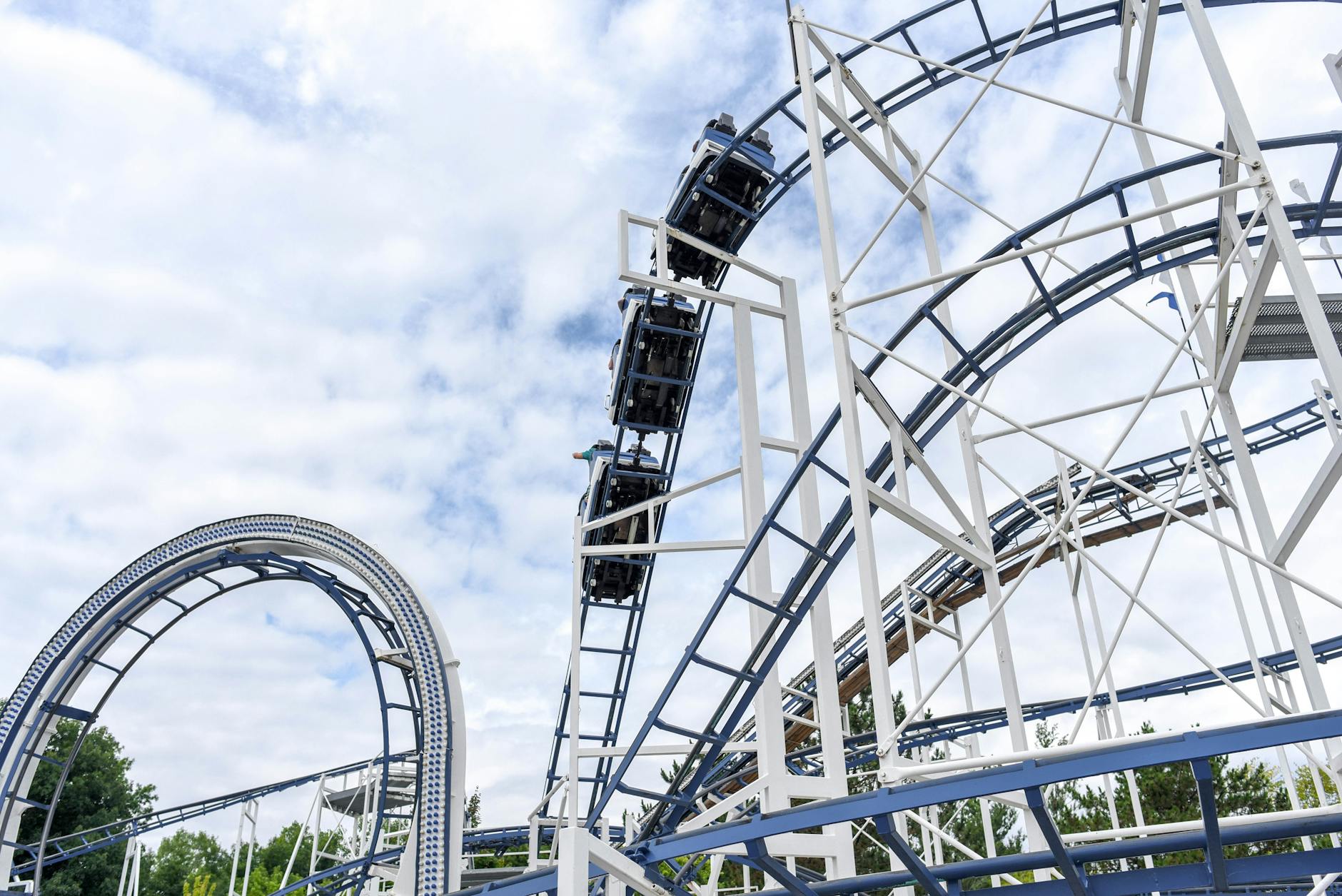
Emerald Park operator achieved revenues of €31.3 million in 2024, driven by substantial capital investment in Europe’s longest intertwining family and thrill roller coasters, according to recent financial disclosures. The Co Meath attraction’s performance demonstrates significant growth in Ireland’s domestic leisure and tourism sector as capital-intensive infrastructure improvements translate into increased visitor spending.
The theme park’s financial performance represents a notable achievement for the Irish hospitality and entertainment industry, which continues recovering and expanding beyond pre-pandemic levels. Investment in world-class attractions positions Emerald Park competitively within the European theme park market while capturing domestic leisure spending that might otherwise flow to international destinations.
The dual roller coaster installation represents one of the most substantial private tourism infrastructure investments in the Irish midlands region. Engineering feats of this scale require extensive planning permission, construction coordination, and operational safety certification, reflecting the operator’s long-term commitment to developing Ireland’s domestic attraction offering.
Revenue growth at this magnitude indicates strong visitor attendance figures throughout the operating season, which typically runs from spring through autumn with limited winter operations. The €31.3 million turnover encompasses admission fees, food and beverage sales, retail merchandise, and ancillary services, providing a comprehensive picture of consumer spending patterns at Irish family entertainment venues.
Theme park economics depend heavily on capital investment cycles, with major attractions requiring multi-year planning and construction phases before generating returns. The intertwining roller coaster concept offers unique market positioning, allowing the operator to market simultaneously to families seeking moderate thrills and enthusiasts pursuing more intense experiences on parallel tracks.
From an economic development perspective, attractions of this scale generate employment across construction, seasonal operations, food service, retail, maintenance, and administration. The multiplier effects extend into surrounding communities through accommodation, dining, and fuel purchases by visitors, particularly families traveling from Dublin and other urban centres.
Ireland’s domestic tourism market has demonstrated resilience despite economic headwinds including inflation and cost-of-living pressures affecting discretionary household spending. The performance suggests Irish families continue prioritising experiential entertainment despite tighter budgets, though operators must balance pricing strategies against consumer sensitivity.
The theme park sector faces distinct challenges including weather dependency in Ireland’s variable climate, seasonal revenue concentration, and ongoing operational costs for maintenance, insurance, and regulatory compliance. Success requires converting visitors into repeat customers through membership programmes and ensuring positive experiences that generate word-of-mouth marketing.
Capital investments in signature attractions serve strategic purposes beyond immediate revenue generation, creating marketing assets that differentiate the park from competitors and generate media coverage. Record-breaking installations provide compelling narratives for tourism promotion and justify premium pricing compared to smaller regional attractions.
The financial results position Emerald Park within Ireland’s broader leisure economy, which includes established attractions, adventure centres, and cultural institutions competing for family entertainment spending. The sector benefits from changing consumer preferences favouring experiences over material goods, particularly among younger demographics.
Looking forward, sustained revenue growth will depend on maintaining attraction novelty through regular investments, optimising operational efficiency during peak periods, and potentially extending the operating calendar through weather-protected attractions or seasonal events. The operator’s ability to achieve €31.3 million in annual revenue demonstrates viable business economics supporting future expansion phases.
Industry analysts note that successful theme park operations require balancing capital intensity against utilisation rates, with major rides representing significant depreciation expenses that must be offset through increased attendance and per-visitor spending. The intertwining roller coaster investment appears to have achieved its strategic objective of driving measurable revenue growth during its first operating season.