

The founder of Waterford Whiskey intends to repurchase selected casks from his original production and establish a new Irish whiskey brand following the company’s acquisition by a major American bourbon manufacturer through a receivership process. The entrepreneur expressed determination to demonstrate the lasting value of his pioneering work in Irish whiskey distillation despite the financial setback.
The development represents a significant chapter in Ireland’s contemporary whiskey industry, which has experienced remarkable growth over the past decade. The sector has attracted substantial foreign investment while nurturing indigenous innovation in production techniques and terroir-focused approaches to whiskey making. This acquisition underscores the ongoing consolidation trend within the global spirits market, where American distilling conglomerates have increasingly sought European premium whiskey assets.
Waterford Whiskey had distinguished itself through an innovative farm-to-bottle philosophy, emphasizing single-farm origins and barley provenance tracking. This approach challenged traditional blending methodologies that have dominated Irish whiskey production for generations. The distillery implemented sophisticated traceability systems allowing consumers to identify the specific farm and harvest year of barley used in each bottle, creating unprecedented transparency in whiskey production.
The receivership process concluded with the American bourbon producer acquiring the distillery’s physical assets, inventory, and intellectual property. Financial details of the transaction remain undisclosed, though industry analysts suggest the sale reflects broader challenges facing independent craft distillers competing against multinational corporations with extensive distribution networks and marketing resources. The Irish whiskey market, valued at over €1.3 billion annually, continues attracting international attention despite economic headwinds affecting smaller operators.
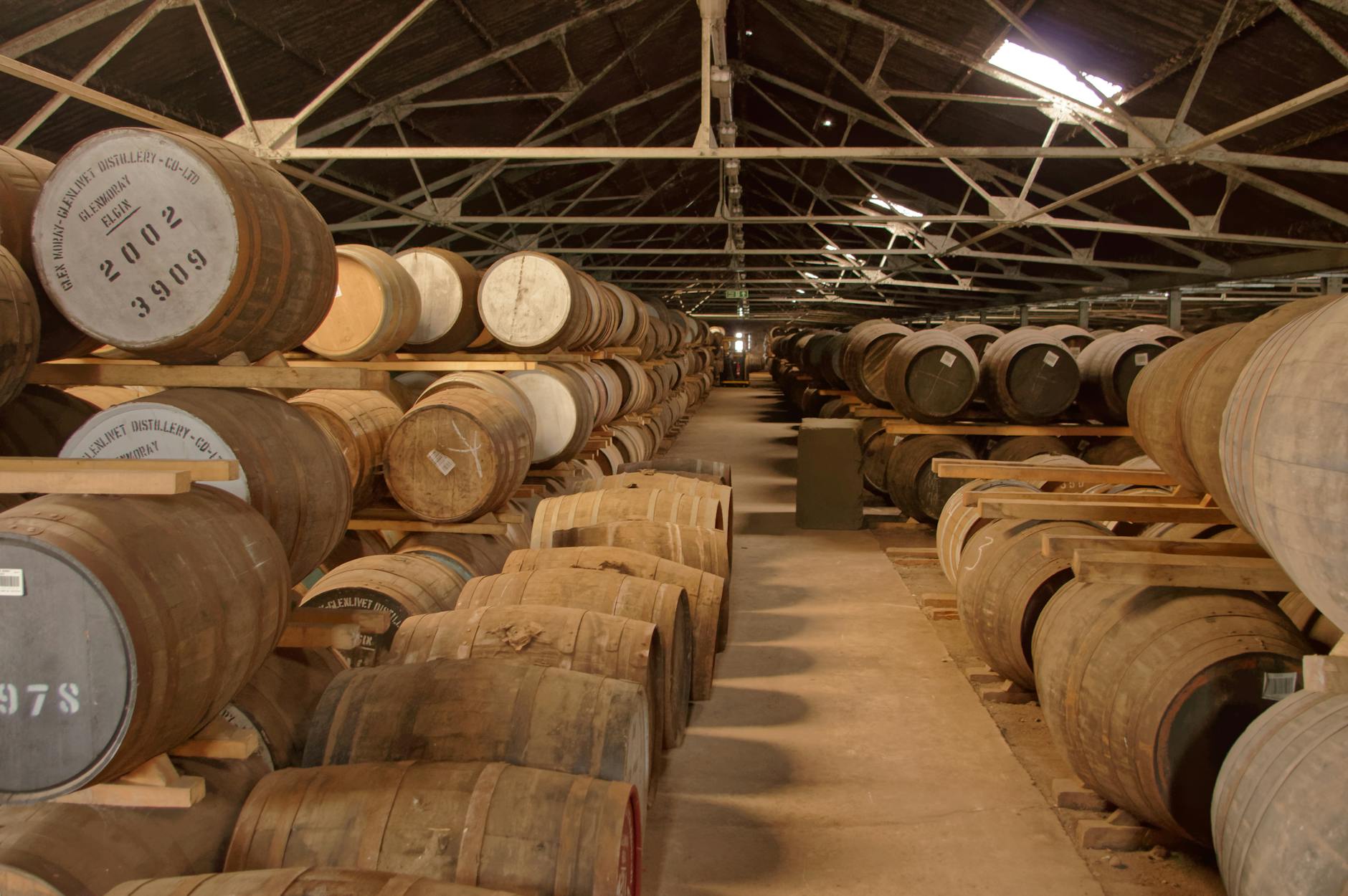
For the founder, the proposed cask repurchase strategy offers an opportunity to salvage elements of his original vision while potentially launching a more financially sustainable operation. Whiskey casks represent valuable assets that appreciate during maturation, with premium Irish single malts commanding significant market premiums after extended aging periods. His familiarity with these specific casks, including their production methods and maturation characteristics, provides competitive advantages in creating a differentiated product offering.
The entrepreneur’s resilience reflects broader patterns within Ireland’s entrepreneurial ecosystem, where business setbacks frequently precede renewed success. Enterprise Ireland has documented numerous cases of founders leveraging lessons from previous ventures to build stronger second-generation companies. The whiskey sector particularly rewards deep technical knowledge and established industry relationships, both assets the founder retains despite the corporate restructuring.
Ireland’s whiskey industry has experienced transformational growth, expanding from three operational distilleries in the 1980s to more than forty today. This renaissance has positioned Irish whiskey as the fastest-growing premium spirits category globally, with exports reaching €900 million annually. However, the capital-intensive nature of whiskey production, requiring years of maturation before generating revenue, creates cash flow pressures that challenge undercapitalized enterprises regardless of product quality.
The American acquirer gains immediate access to maturing Irish whiskey stocks and established production facilities in County Waterford, complementing its bourbon portfolio with authentic Irish credentials. Consolidation within the spirits industry reflects strategic positioning for anticipated continued growth in premium whiskey consumption, particularly in Asian and North American markets where Irish whiskey commands strong brand recognition.
Looking forward, the founder’s planned venture will compete within an increasingly crowded Irish whiskey landscape while attempting to differentiate through his established reputation and innovative production philosophy. Success will depend on securing adequate financing, negotiating favorable cask purchase terms, and developing distribution partnerships capable of reaching discerning whiskey consumers. The outcome may ultimately demonstrate whether artisanal approaches can survive alongside industrial-scale production in contemporary spirits markets, offering valuable lessons for Ireland’s broader craft distilling sector.