

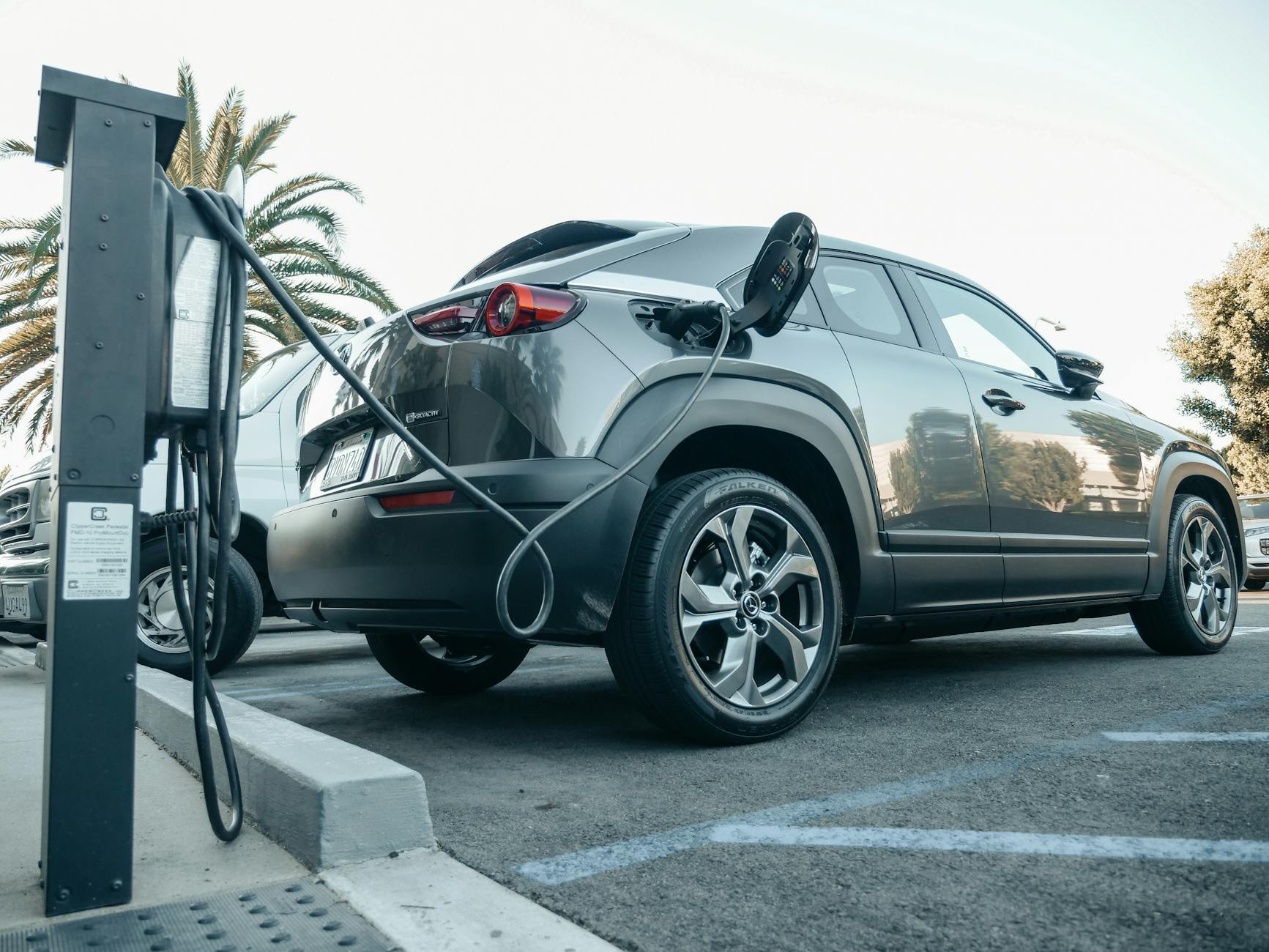
Irish consumers shopping for used electric vehicles now face substantially lower prices than diesel alternatives, with three-year-old battery-powered cars averaging €28,825 compared to €35,893 for comparable diesel models, representing a €7,000 price advantage according to market analysis. This pricing shift marks a fundamental transformation in Ireland’s automotive sector as electric mobility transitions from premium to accessible territory.
The DoneDeal Car Price Index reveals this dramatic reversal in traditional pricing hierarchies, where electric vehicles historically commanded premium valuations over conventional internal combustion alternatives. The approximately 20 percent cost differential positions used electric vehicles as financially compelling options for Irish motorists, particularly as fuel costs remain elevated and environmental considerations intensify across the transport sector.
This pricing evolution carries significant implications for Ireland’s climate action commitments, which target 945,000 electric vehicles on Irish roads by 2030 under the Government of Ireland Climate Action Plan. The improved affordability of secondhand electric vehicles addresses a critical barrier to adoption, extending zero-emission transport beyond early adopters with substantial purchasing power to mainstream consumers constrained by budget considerations.
Market dynamics driving this pricing inversion reflect multiple converging factors within the automotive industry. Accelerated depreciation on electric vehicles stems partly from rapid technological advancement in battery efficiency and range capabilities, making earlier generation models less desirable despite functional adequacy. Additionally, generous government incentives for new electric vehicle purchases, including grants reaching €5,000 and reduced Vehicle Registration Tax, have stimulated primary market supply that subsequently filters into the secondhand segment.
The Irish automotive retail landscape has witnessed substantial transformation as dealer networks and private sellers adjust to shifting consumer preferences. Electric vehicle inventory on classified platforms has expanded considerably, providing buyers with enhanced selection across price points and specifications. This increased availability coincides with growing charging infrastructure deployment by ESB and private operators, alleviating range anxiety that previously constrained electric vehicle consideration among potential purchasers.
Financial analysis demonstrates compelling total cost of ownership advantages for used electric vehicle buyers beyond purchase price differentials. Electricity costs for home charging typically represent 30 to 40 percent of diesel fuel expenses for equivalent mileage, translating to annual savings of €1,200 to €1,800 for average drivers covering 15,000 kilometers. Maintenance requirements for electric powertrains prove substantially less demanding than diesel engines, eliminating oil changes, particulate filter replacements, and numerous mechanical service items that accumulate expense throughout vehicle ownership.
Motor taxation structures further enhance electric vehicle economics, with zero annual motor tax applying to battery-powered vehicles compared to rates reaching €750 for diesel models depending on emissions specifications. Toll road operators provide reduced rates for electric vehicles on certain routes, while urban congestion charging proposals under consideration would likely exempt or discount electric transport.
The pricing shift arrives as Irish businesses reassess fleet strategies amid pressure to reduce carbon footprints and operating costs. Small and medium enterprises increasingly view used electric vehicles as viable commercial transport solutions, particularly for urban delivery services and sales operations where daily range requirements align with current battery capabilities. Enterprise Ireland has identified sustainable transport adoption as a competitive advantage for Irish businesses serving environmentally conscious markets.
Consumer research indicates persistent misconceptions about electric vehicle ownership despite improving economics. Concerns regarding battery longevity and replacement costs remain prevalent, though manufacturer warranties typically extend eight years or 160,000 kilometers, while real-world battery degradation proves modest in temperate Irish climate conditions. Three-year-old vehicles retain approximately 95 percent of original battery capacity under typical usage patterns, ensuring practical utility throughout extended ownership periods.
The automotive financing sector has adapted offerings to accommodate electric vehicle characteristics, with lenders recognizing residual value trends and total cost profiles. Interest rates for used electric vehicle purchases align with conventional vehicles, while some financial institutions provide preferential terms reflecting environmental objectives and risk assessments favoring lower operating costs.
This market transformation positions Ireland competitively within European electric vehicle adoption trajectories, though considerable ground remains to achieve 2030 targets. The affordability breakthrough in the secondhand segment may prove decisive in accelerating mainstream transition beyond affluent early adopters, democratizing access to zero-emission transport across socioeconomic demographics while advancing national decarbonization objectives for the transport sector.