

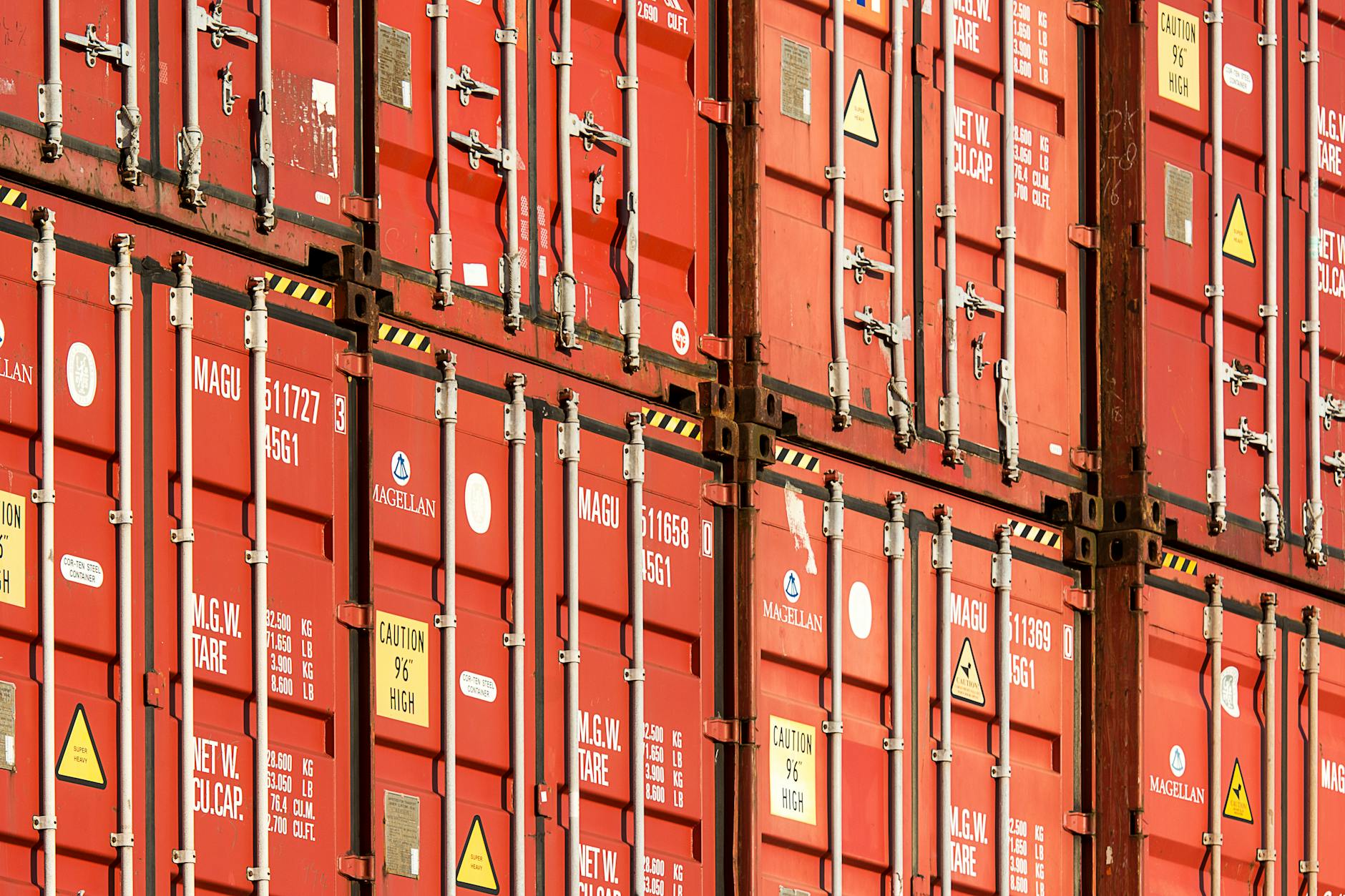
The United States trade deficit expanded significantly in February as a sharp rebound in imported goods overwhelmed record-breaking export performance, creating potential drag on first-quarter economic growth with direct implications for Irish companies trading with America. The widening gap between what America buys from abroad and what it sells internationally could signal shifting consumption patterns that affect Irish exporters across technology, pharmaceuticals, and food sectors.
American imports surged during the second month of 2024, reversing previous declines and demonstrating sustained consumer demand despite elevated interest rates. This import acceleration came even as US exports simultaneously reached unprecedented levels, highlighting the domestic economy’s continued appetite for foreign-manufactured goods and international services. The offsetting dynamics between inbound and outbound trade flows create a net negative contribution to gross domestic product calculations under standard economic accounting methods.
For Irish businesses, particularly those with substantial American market exposure, the trade data presents a mixed outlook. Ireland maintains one of the most significant bilateral trade relationships with the United States among European nations, with IDA Ireland reporting American companies as major investors in the Irish economy. The record US export levels suggest strong American corporate performance, which could benefit Irish operations of US multinationals headquartered domestically. However, the overall deficit expansion indicates American consumers and businesses are purchasing more from global suppliers, intensifying competition for Irish exporters.
The pharmaceutical and technology sectors, cornerstones of Ireland’s export economy, face particular sensitivity to American trade dynamics. Irish-manufactured pharmaceutical products command substantial market share in the United States, while technology services and equipment exports represent billions in annual trade value. Any deterioration in US economic growth stemming from trade imbalances could dampen demand for these high-value Irish exports, though the record export figures suggest robust near-term momentum.
Economic analysts suggest the widening trade gap will likely subtract from America’s first-quarter GDP growth calculations, as net exports contribute negatively when imports exceed exports. This mathematical relationship means strong domestic demand translates into reduced GDP figures when satisfied through foreign purchases rather than domestic production. The phenomenon reflects America’s role as a consumption-driven economy where household spending frequently draws on international supply chains.
Irish financial institutions and currency traders are monitoring these trade developments closely, as shifting American economic indicators influence euro-dollar exchange rates that directly affect Irish export competitiveness. The Central Bank of Ireland tracks international trade flows as part of its broader economic surveillance, recognizing Ireland’s extraordinary openness to global commerce makes the economy particularly sensitive to major trading partner performance.
The February trade figures arrive as American monetary authorities maintain restrictive interest rate policies designed to control inflation. These elevated borrowing costs typically dampen import demand by reducing consumer purchasing power and business investment appetite. The fact that imports rebounded despite this monetary tightening underscores the strength of underlying American demand, potentially supporting continued Irish export opportunities even as overall trade dynamics shift.
For Irish agri-food exporters, the robust American import appetite presents continued opportunities despite intense global competition. Irish beef, dairy products, and beverages maintain premium positioning in US markets, though the widening trade deficit may eventually prompt policy discussions about import restrictions or tariff adjustments that could affect market access.
The record export achievement by American companies suggests sustained global economic activity, which benefits Ireland’s highly internationalized economy. Strong US export performance typically correlates with healthy worldwide demand conditions that support Irish goods and services across multiple markets beyond direct bilateral trade.