

The United Kingdom economy experienced zero growth in January before recent energy market disruptions, according to official data released today, raising significant concerns for Irish businesses heavily reliant on UK trade routes and market access. The stagnation occurred even before geopolitical tensions escalated energy costs, suggesting underlying structural weaknesses that could impact Ireland’s second-largest trading partner.
Irish exporters face heightened uncertainty as the UK economy demonstrates vulnerability to energy shocks and international conflict. With Britain accounting for approximately €17 billion in Irish goods exports annually, any sustained economic weakness in the UK market directly threatens Irish manufacturing, agriculture, and services sectors. Enterprise Ireland has identified UK market diversification as a critical priority for Irish exporters seeking to mitigate risks from British economic volatility.
The official figures revealed that UK economic performance remained weak throughout preceding months before the January stagnation, indicating systemic challenges rather than temporary disruption. This prolonged weakness compounds concerns about Britain’s capacity to absorb additional shocks from energy price increases driven by Middle Eastern geopolitical tensions. Energy-intensive sectors face particular pressure, with manufacturing output showing minimal expansion during the period under review.
For Irish financial services operating within the International Financial Services Centre, UK economic instability presents both challenges and opportunities. Dublin has positioned itself as a European financial hub following Brexit, attracting firms seeking EU market access. However, continued UK economic weakness could reduce transaction volumes and investment flows between the jurisdictions. The Central Bank of Ireland monitors cross-border financial stability implications as UK growth concerns persist.
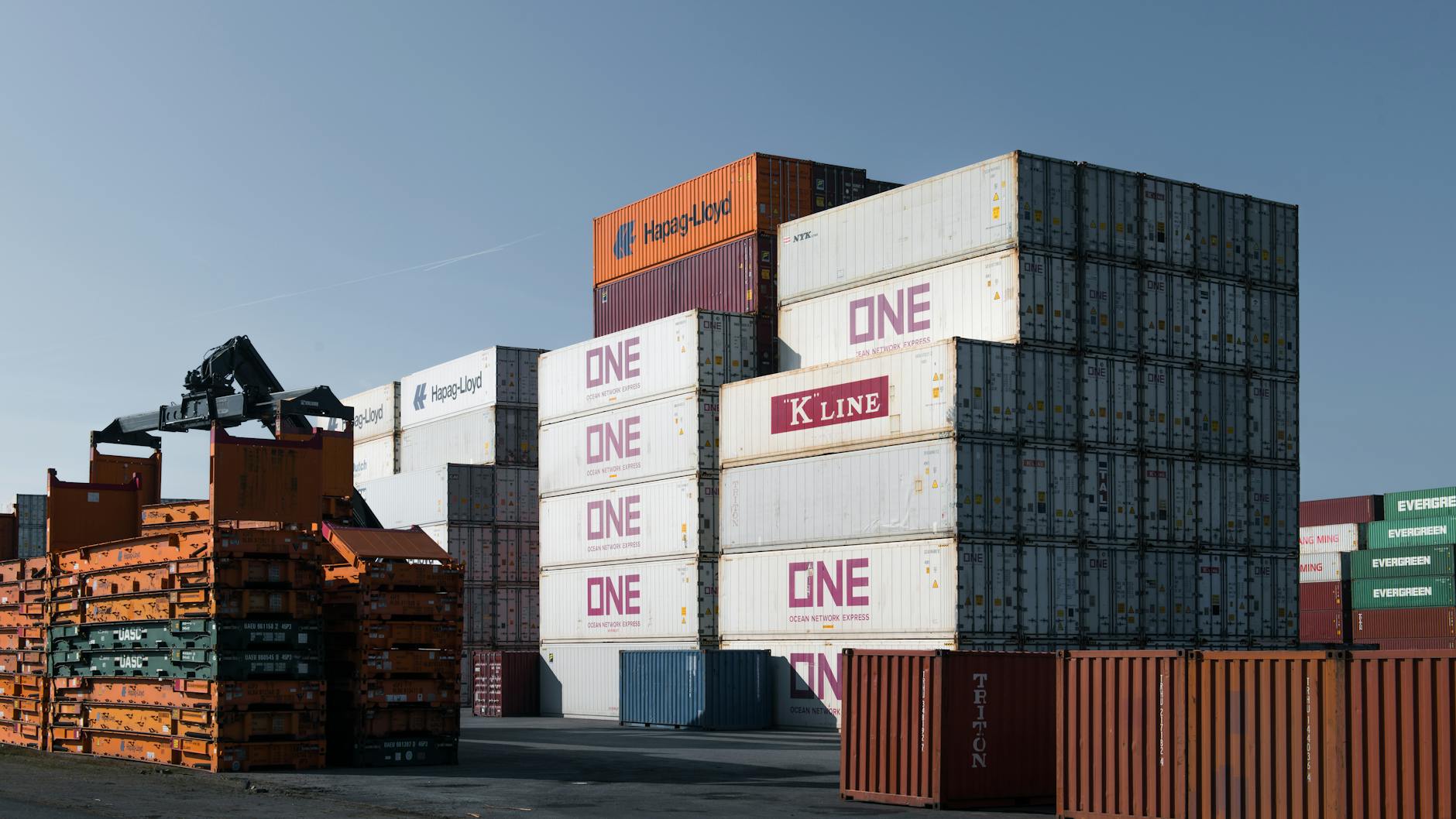
Irish supply chain operators face particular exposure to UK economic performance, with significant freight volumes moving through British ports and road networks. Manufacturing components, food products, and pharmaceutical supplies frequently transit UK infrastructure en route to continental European markets. Economic stagnation in Britain could reduce logistics efficiency and increase costs for Irish businesses dependent on these critical trade corridors.
Currency markets reflected investor concerns about UK economic prospects, with sterling weakness potentially offering competitive advantages for Irish exporters pricing goods in pounds. However, sustained UK economic underperformance typically reduces overall demand levels, offsetting any currency-related pricing benefits. Irish tourism operators also monitor UK economic indicators closely, as British visitors represent the largest source market for Ireland’s hospitality sector.
Energy price volatility stemming from international tensions adds another dimension to UK economic vulnerability. Britain’s energy import dependence and limited storage capacity make the economy particularly susceptible to supply disruptions. Irish renewable energy capacity continues expanding, providing relative insulation from fossil fuel price fluctuations, though electricity market integration means significant price correlation persists between jurisdictions.
Economic analysts emphasize that UK stagnation occurred during a period typically associated with post-holiday recovery and first-quarter momentum. The absence of growth during this window suggests deeper demand-side weaknesses that policy interventions may struggle to address quickly. Irish economic planners at the Department of Finance incorporate UK performance assumptions into fiscal projections, recognizing the interconnected nature of these neighboring economies.
The agricultural sector represents a particularly sensitive area for Irish-UK economic relations, with substantial beef, dairy, and prepared food exports crossing the Irish Sea. Any reduction in British consumer spending directly impacts Irish agricultural producers and food processors. Industry representatives have called for government support measures to help exporters navigate UK market uncertainty while accelerating market diversification initiatives toward continental Europe and beyond.
Looking forward, Irish business leaders emphasize the importance of reducing dependence on any single market, including the UK, despite historical trading relationships and geographic proximity. The combination of Brexit-related trade friction, economic stagnation, and energy vulnerability underscores the strategic necessity of export market diversification as a risk management priority for Irish enterprise.