
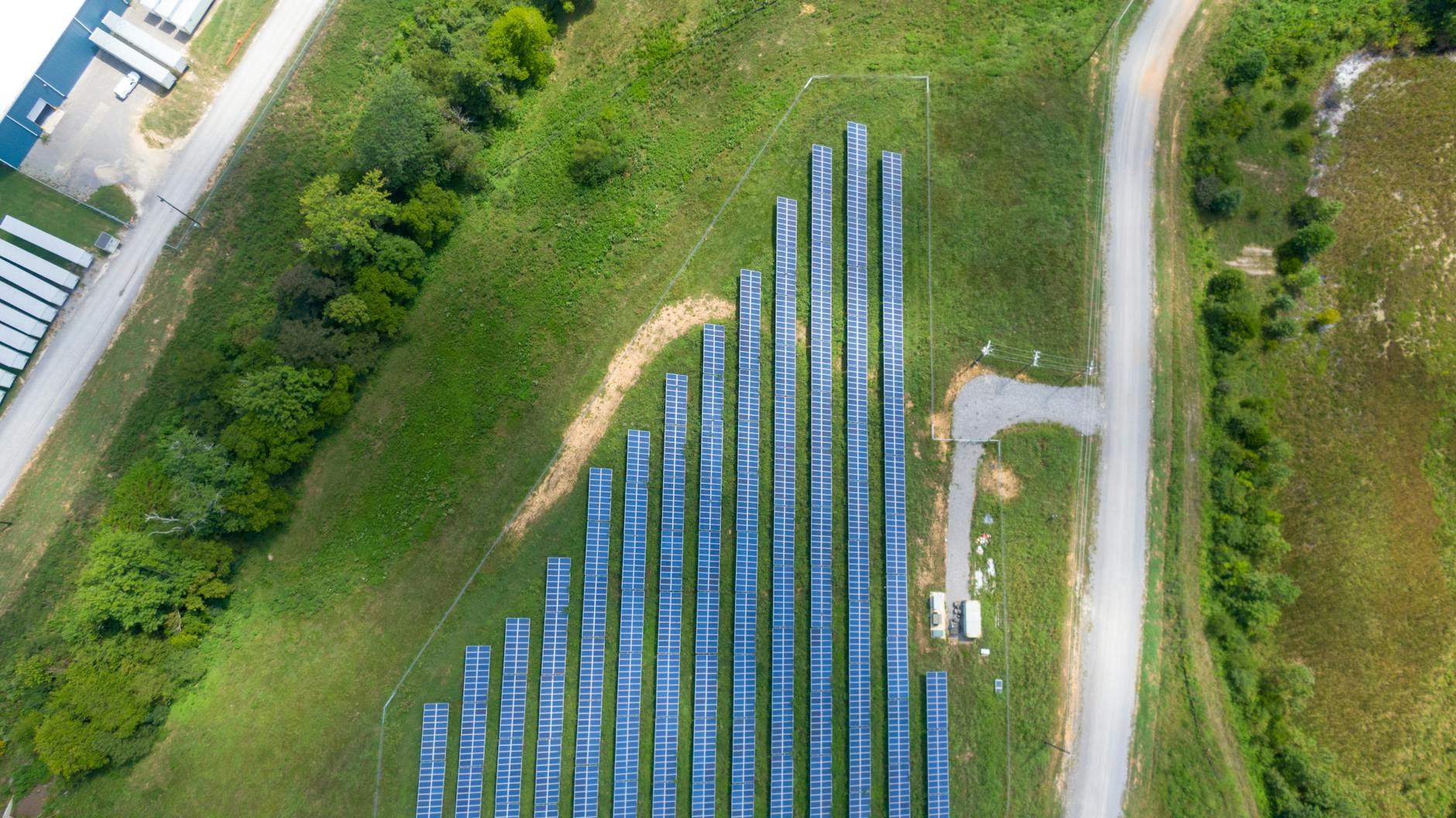
Statkraft has exceeded 500 megawatts of installed solar capacity across Ireland following the successful activation of two major solar facilities in Westmeath and Dublin. The Norwegian state-owned renewable energy producer, which holds the position as Europe’s largest generator of renewable electricity, achieved this milestone through the completion of its Clonfad and Irishtown solar installations, marking a significant expansion of the country’s clean energy infrastructure.
The achievement represents a substantial contribution to Ireland’s renewable energy targets as the nation works to meet its Climate Action Plan commitments. Ireland has set ambitious goals to generate 80 percent of its electricity from renewable sources by 2030, with solar energy playing an increasingly vital role alongside traditional wind power generation. The addition of these two facilities demonstrates the accelerating pace of solar deployment across the country, despite historically lower solar radiation levels compared to continental Europe.
Statkraft operates as a wholly-owned entity of the Norwegian state and has been systematically expanding its Irish operations over recent years. The company’s investment in Irish solar infrastructure reflects growing confidence in the country’s renewable energy sector and the improving economic viability of solar technology at higher latitudes. The firm has positioned Ireland as a strategic market within its European portfolio, capitalizing on supportive government policies and corporate demand for renewable energy.
The Clonfad solar facility in County Westmeath and the Irishtown installation in Dublin now contribute to a diversified renewable energy mix that helps stabilize Ireland’s electricity grid. Solar power provides particular value during summer months and daylight hours, complementing wind generation which typically performs strongest during winter periods and overnight. This complementary generation profile enhances grid reliability and reduces the need for fossil fuel backup generation.
Ireland’s solar sector has experienced remarkable growth despite the technology arriving later than in many European markets. The country installed minimal solar capacity before 2018, but policy reforms including the Renewable Electricity Support Scheme have catalyzed rapid expansion. Industry analysts project that Ireland could have between 5 and 8 gigawatts of solar capacity installed by 2030, representing a dramatic transformation of the electricity generation landscape.
The energization of these facilities creates employment opportunities in construction, maintenance, and technical operations while generating property tax revenues for local communities. Solar farms typically occupy agricultural land under long-term lease arrangements, providing farmers with stable income streams while allowing continued agricultural use such as sheep grazing beneath panel arrays. This dual-use approach addresses concerns about productive land allocation in a country with limited available space.
Statkraft’s expansion aligns with broader European energy security objectives following recent geopolitical disruptions to fossil fuel supplies. Indigenous renewable generation reduces Ireland’s dependence on imported natural gas while insulating consumers from volatile international energy prices. The company’s investment also supports Ireland’s obligations under European Union climate legislation and its commitment to achieving net-zero emissions by 2050.
The technical achievement of bringing these facilities online required coordination with EirGrid, Ireland’s transmission system operator, to ensure grid connection and compliance with network stability requirements. Solar installations must meet strict technical standards for voltage control, frequency response, and grid synchronization to maintain electricity system reliability as renewable penetration increases.
Looking forward, Statkraft’s continued investment signals confidence in Ireland’s renewable energy pipeline despite challenges including grid connection constraints and planning approval delays. The company’s achievement of 500 megawatts of installed solar capacity establishes it as a major player in Ireland’s energy transition and demonstrates the commercial viability of large-scale solar deployment in northern European climates.