

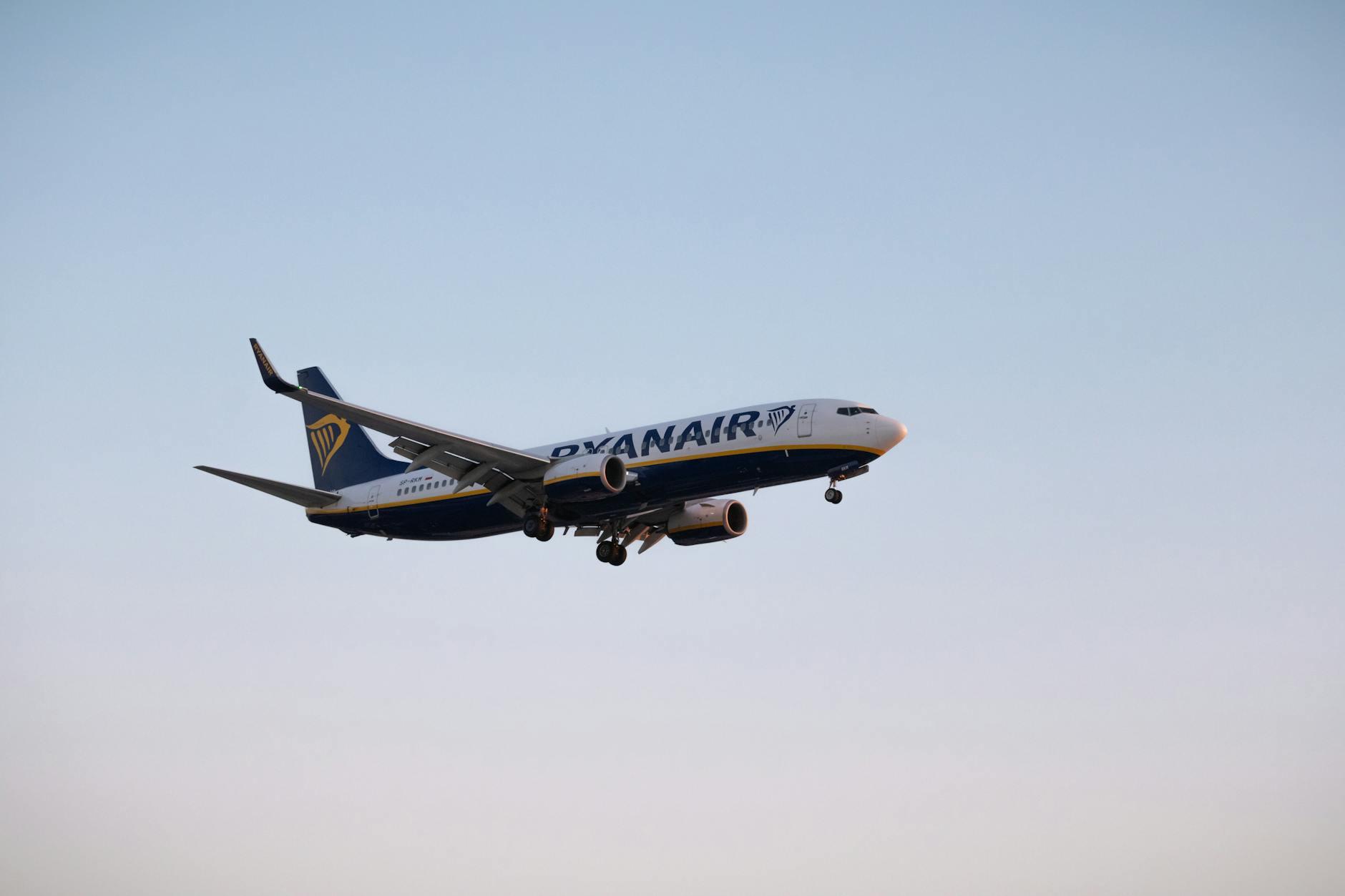
Ryanair carried 15.8 million passengers during March 2025, representing a 5% increase compared to the same period in 2024, as Ireland’s flagship airline continues to demonstrate robust growth across its European network. The latest traffic figures underscore the Dublin-based carrier’s position as Europe’s largest low-cost airline and a critical component of Ireland’s aviation and tourism infrastructure.
The passenger growth comes during a traditionally strong period for European aviation, as spring travel demand accelerates ahead of the summer peak season. Ryanair operates from multiple Irish bases including Dublin, Cork, and Shannon airports, serving as a vital connector for Irish business travellers, tourists, and the diaspora community across more than 40 countries.
The 5% year-on-year increase translates to approximately 750,000 additional passengers compared to March 2024, demonstrating continued appetite for budget air travel despite broader economic headwinds affecting consumer spending across Europe. This growth trajectory aligns with pre-pandemic expansion patterns, though the airline industry continues navigating challenges including fluctuating fuel costs, air traffic control shortages, and environmental regulatory pressures.
Industry analysts note that Ryanair’s performance reflects broader resilience in the Irish aviation sector, which contributes significantly to the national economy through direct employment, tourism facilitation, and connectivity for Irish businesses accessing European markets. The airline’s growth supports thousands of jobs across Ireland, from cabin crew and pilots to ground handling staff and maintenance personnel based at Irish airports.
The March figures arrive as European airlines enter crucial booking periods for summer travel, traditionally the most profitable season for carriers. Ryanair’s load factors and pricing strategies during this period will prove critical for full-year financial performance, particularly as the airline competes against resurgent legacy carriers and fellow budget operators across short-haul European routes.
From an Irish economic perspective, strong passenger numbers through Ryanair translate directly into increased tourism revenue, business connectivity, and foreign direct investment opportunities. The airline’s extensive route network enables Irish companies to access European markets efficiently while facilitating inbound business travel that supports sectors from technology to pharmaceuticals, pillars of Ireland’s modern economy.
The aviation sector remains strategically important for Ireland’s economic model, particularly given the country’s island geography and reliance on air connectivity for trade, tourism, and talent mobility. As home to Europe’s largest aircraft leasing sector and headquarters for numerous aviation finance operations within the IFSC, Ireland maintains deep structural ties to the broader aviation industry beyond passenger operations.
Environmental considerations continue shaping airline operations across Europe, with regulatory frameworks including the EU Emissions Trading System affecting operational costs and strategic planning. Ryanair has previously committed to fleet modernization with more fuel-efficient aircraft, balancing growth ambitions against sustainability requirements that increasingly influence both regulatory compliance and consumer preferences.
The consistent passenger growth also reflects competitive dynamics within European aviation, where Ryanair’s ultra-low-cost model continues capturing market share from higher-cost operators. This competitive pressure benefits Irish consumers through lower fares while maintaining Ireland’s connectivity advantages compared to similarly-sized European economies.
Looking ahead, sustained passenger growth will depend on multiple factors including European economic conditions, business confidence levels, consumer spending power, and the absence of major disruptions to air traffic infrastructure. The airline’s ability to maintain pricing discipline while filling seats will prove crucial for translating passenger volume into profitability during 2025.