

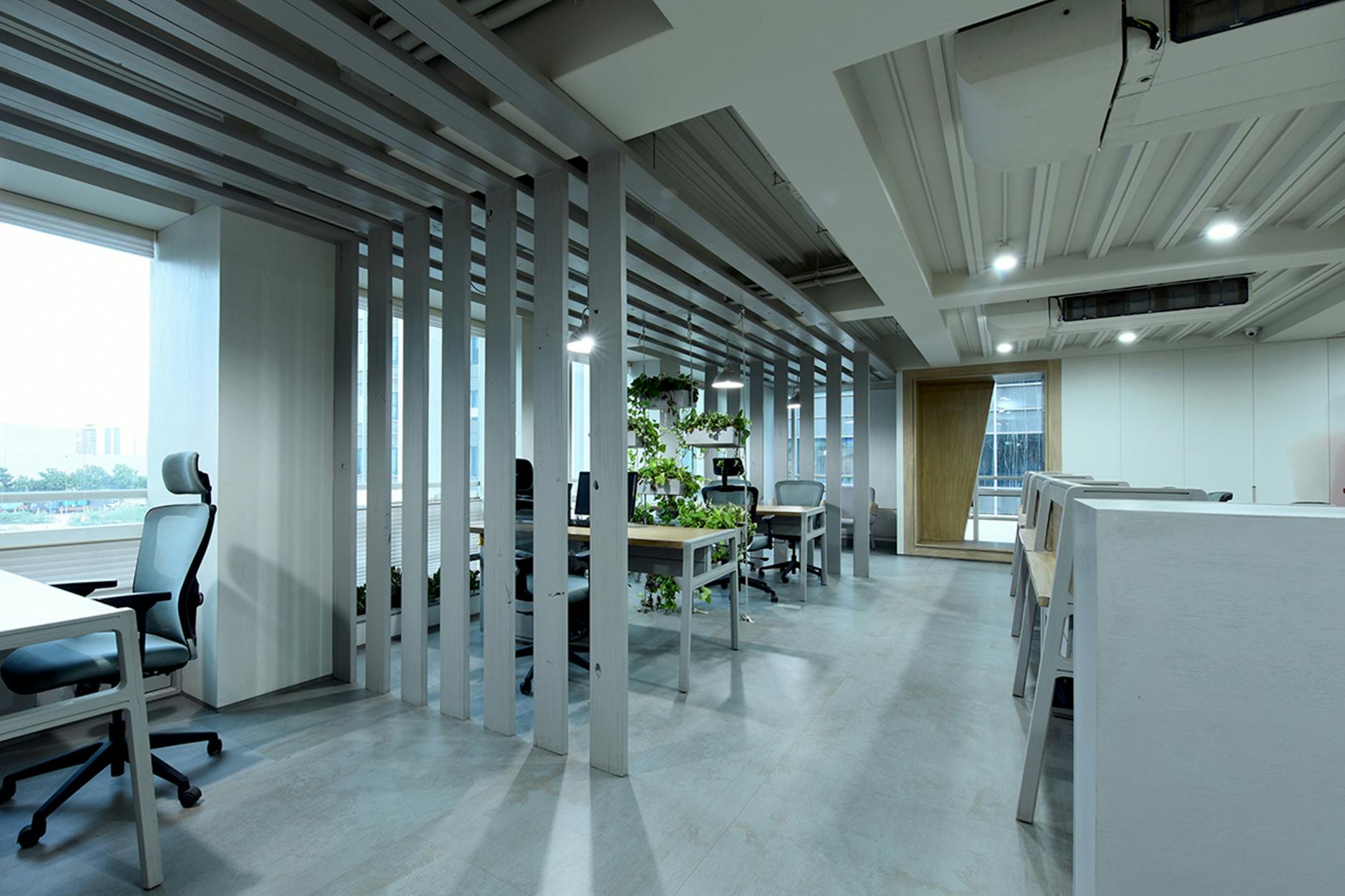
Irish business leaders are approaching workplace transformation with notable apprehension, according to communications consultant Gina London, who reports a consistent mood decline when future work arrangements become discussion topics with her corporate clients. Rather than succumbing to anxiety, Irish organisations require strategic workplace design that addresses legitimate concerns while maintaining operational effectiveness and employee wellbeing.
The prevailing unease among Irish executives reflects broader uncertainties surrounding hybrid working models, technological integration, and evolving employee expectations following pandemic-era disruptions. Companies across Ireland’s diverse economic sectors, from financial services concentrated in Dublin’s IFSC to manufacturing operations supported by IDA Ireland, are wrestling with fundamental questions about where, when, and how work should occur. This transformation extends beyond simple location decisions to encompass organisational culture, productivity measurement, and talent retention strategies.
London’s observations align with data from Enterprise Ireland indicating that Irish businesses are investing significantly in workplace transformation initiatives whilst simultaneously expressing concern about implementation challenges. The tension between maintaining competitiveness and managing change-related risks creates paralysis in some organisations, delaying necessary adaptations that could ultimately strengthen their market positions.
Effective workplace design for tomorrow’s environment demands comprehensive consideration of multiple factors rather than reactive responses to immediate pressures. Irish companies must evaluate technological infrastructure requirements, spatial configurations that support diverse working styles, communication protocols for distributed teams, and performance management systems appropriate for flexible arrangements. These elements require coordinated planning rather than piecemeal adjustments that create confusion and inefficiency.
The financial implications of workplace transformation represent substantial concerns for Irish businesses navigating economic uncertainties. Commercial property commitments, technology investments, and potential productivity fluctuations during transition periods all factor into executive hesitation. However, delayed action may prove more costly as competitor organisations that successfully implement adaptive workplace models gain advantages in talent acquisition and operational efficiency.
Employee expectations have fundamentally shifted since remote work became widespread during pandemic restrictions, creating permanent changes in how Irish workers evaluate employment opportunities. Companies offering rigid traditional arrangements risk losing skilled professionals to organisations providing flexibility, whilst those implementing poorly designed hybrid models may experience decreased engagement and collaboration. The challenge involves creating structures that balance organisational needs with legitimate employee preferences.
Leadership communication emerges as critical for successful workplace transformation across Irish organisations. Executives who transparently acknowledge uncertainties whilst articulating clear principles guiding decisions build trust that facilitates change acceptance. Conversely, ambiguous messaging or frequent policy reversals generate cynicism and resistance that undermine implementation efforts regardless of underlying design quality.
Technology selection represents another pivotal consideration for Irish businesses redesigning work environments. Digital collaboration platforms, cybersecurity systems, and productivity monitoring tools require careful evaluation to ensure they enable rather than constrain effective working. Overinvestment in surveillance technologies may damage employee trust, whilst inadequate digital infrastructure creates frustration that diminishes the benefits of workplace flexibility.
Sector-specific considerations complicate workplace transformation planning for Irish companies. Professional services firms may implement hybrid models more readily than manufacturing operations requiring physical presence, whilst technology companies often pioneer flexible arrangements that traditional industries adopt gradually. Understanding industry norms whilst maintaining competitive differentiation requires nuanced strategic thinking beyond generic workplace trends.
The psychological dimension of workplace change deserves greater attention from Irish business leaders. Employee anxiety about career visibility, relationship maintenance, and skill development in transformed environments requires proactive management through structured communication, mentoring programmes, and clear advancement pathways. Organisations that address these concerns systematically experience smoother transitions than those focusing exclusively on operational logistics.
Measurement systems must evolve alongside workplace structures to reflect new realities. Traditional presence-based performance evaluation becomes inappropriate for distributed teams, requiring outcome-focused assessment methods that fairly evaluate contributions regardless of location. Irish companies developing these systems early gain clarity that facilitates consistent management across diverse working arrangements.
Rather than viewing workplace transformation as threatening disruption, Irish business leaders should recognise opportunities for competitive advantage through thoughtful design. Organisations that create work environments genuinely suited to contemporary requirements whilst maintaining operational excellence will attract superior talent and achieve stronger performance than competitors paralysed by uncertainty or clinging to outdated models.