
German discount supermarket chain Lidl Ireland has finalised a €7.5 million commercial agreement with Cavan-based processor Liffey Meats that will facilitate the export of premium Irish beef products to as many as 26 European markets throughout 2025. The strategic partnership represents a significant expansion of Ireland’s beef export footprint within continental Europe while reinforcing the country’s reputation as a leading supplier of high-quality meat products to international retail chains.
The multi-million euro contract positions Irish beef producers to capitalise on growing European demand for grass-fed, sustainably produced meat products. Ireland’s agricultural sector has long benefited from its grass-based production systems, which deliver distinct quality advantages in international markets where consumers increasingly prioritise provenance and environmental credentials. The agreement comes at a critical juncture for Ireland’s beef industry, which has faced ongoing challenges related to Brexit trade barriers, fluctuating farm-gate prices, and evolving European Union agricultural policies.
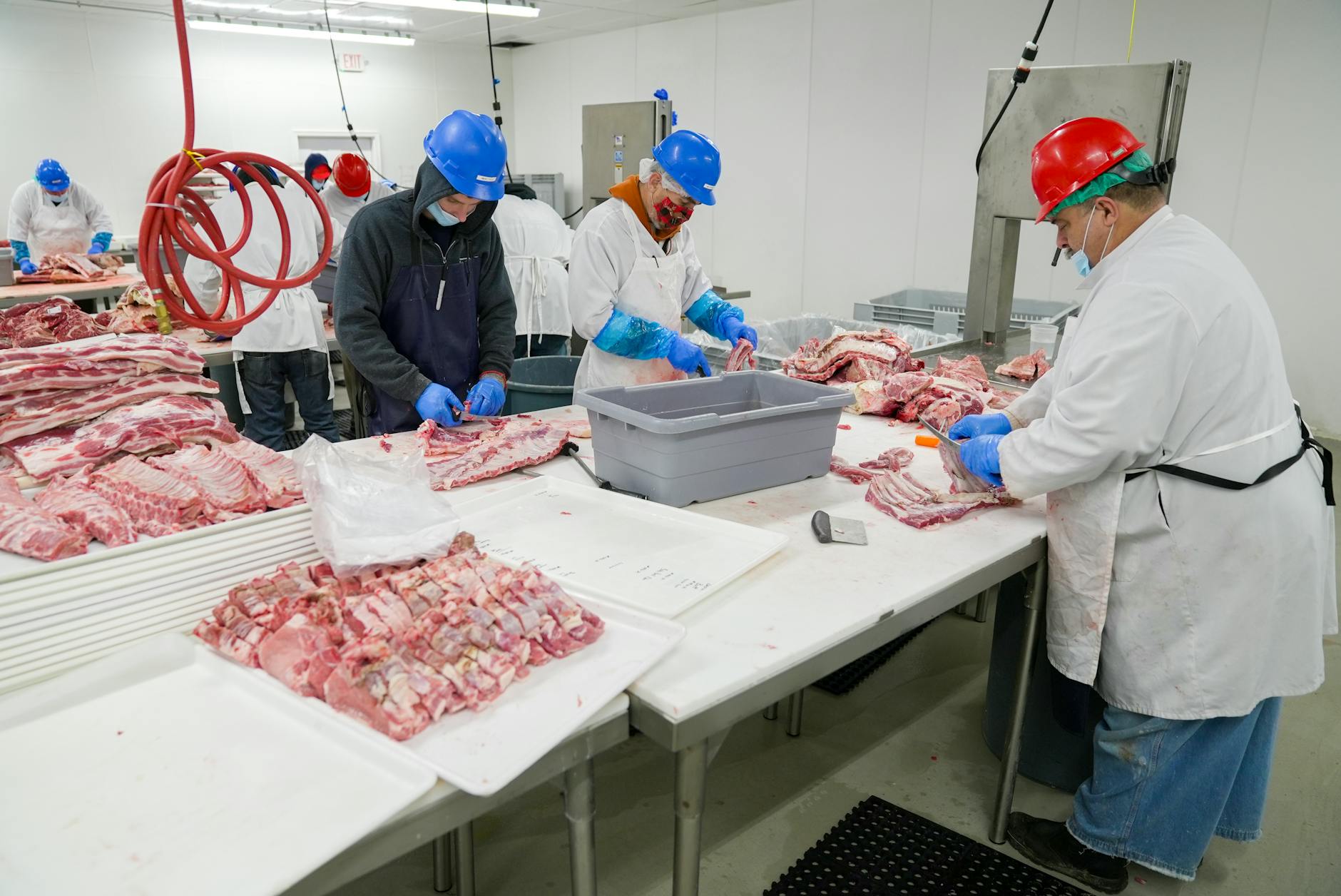
Liffey Meats operates advanced processing facilities in Cavan, employing hundreds of workers in the Border region where food production remains a cornerstone of local economic activity. The company has established itself as a significant player within Ireland’s beef processing sector, which contributes substantially to the nation’s overall agricultural exports valued at more than €14 billion annually according to Bord Bia figures. This latest commercial arrangement with Lidl demonstrates the processor’s capability to meet stringent European retail specifications while maintaining competitive pricing structures across multiple jurisdiction markets.
The distribution agreement will see Irish beef products appearing on Lidl shelves across a broad geographical span of European Union member states, potentially including Germany, France, Spain, Italy, Poland, and numerous other markets where the discount retailer maintains extensive store networks. Lidl operates approximately 12,000 stores across Europe, creating substantial demand for competitively priced protein products that meet the company’s quality assurance standards. For Irish beef exporters, securing shelf space within such expansive retail ecosystems represents both immediate revenue opportunities and longer-term brand visibility benefits that can drive sustained export growth.
Ireland’s beef sector has prioritised European market diversification following the United Kingdom’s departure from the European Union, which complicated trade flows to what was historically Ireland’s largest beef export destination. Enterprise Ireland and Bord Bia have actively supported Irish meat processors in establishing new commercial relationships across continental Europe, recognising that reducing dependency on any single export market enhances sector resilience. The Lidl agreement exemplifies this strategic reorientation toward broader European distribution channels that can absorb Ireland’s substantial beef production volumes.
The timing of this commercial arrangement coincides with ongoing discussions within European agricultural circles regarding sustainability standards, carbon footprint measurements, and the environmental impact of livestock production. Irish beef producers have invested considerably in sustainability certification programmes and emissions reduction initiatives designed to align with emerging European regulatory frameworks. These investments position Irish exporters favourably when competing for contracts with major retailers who face increasing pressure from consumers and policymakers to demonstrate supply chain environmental credentials.
From an economic perspective, the €7.5 million value attached to this single supply agreement underscores the scale at which individual Irish food processors now operate within international markets. Such contracts generate direct employment in rural processing facilities while supporting thousands of Irish farm families who supply livestock to processing operations. The multiplier effects throughout rural economies remain significant, with meat processing representing one of the few large-scale industrial activities maintaining substantial employment bases outside major urban centres.
Looking ahead, the success of this initial 2025 agreement could establish foundations for expanded commercial relationships between Lidl’s European operations and Irish beef suppliers. Retail partnerships of this nature typically evolve through demonstrated performance on quality consistency, delivery reliability, and pricing competitiveness. For Liffey Meats specifically, execution of this contract provides opportunity to showcase operational capabilities that may unlock additional volume commitments from Lidl or attract interest from competing European retail chains seeking Irish beef supplies for their store networks.