
German retail giant Lidl has concluded a €7.5 million commercial arrangement with Liffey Meats in County Cavan to distribute premium Irish beef products throughout continental European markets during 2025. The agreement represents a significant expansion of Irish agricultural exports and reinforces the Republic’s position as a leading European beef supplier despite ongoing Brexit-related trade complications.
The partnership will enable Cavan-based Liffey Meats to distribute its beef products across twenty-six distinct European markets through Lidl’s extensive continental retail network. This export expansion arrives as Irish meat processors seek diversification beyond traditional United Kingdom channels, following post-Brexit customs and regulatory challenges that have disrupted established trade flows since 2021.
Ireland’s beef sector generates approximately €2.5 billion annually in export revenue, with the European Union representing the industry’s most valuable destination market. According to Bord Bia statistics, Irish beef exports to continental Europe increased by seventeen percent between 2020 and 2024, as processors strategically pivoted away from British market dependence. The Central Bank of Ireland has identified agricultural diversification as essential for maintaining export stability amid geopolitical uncertainties.
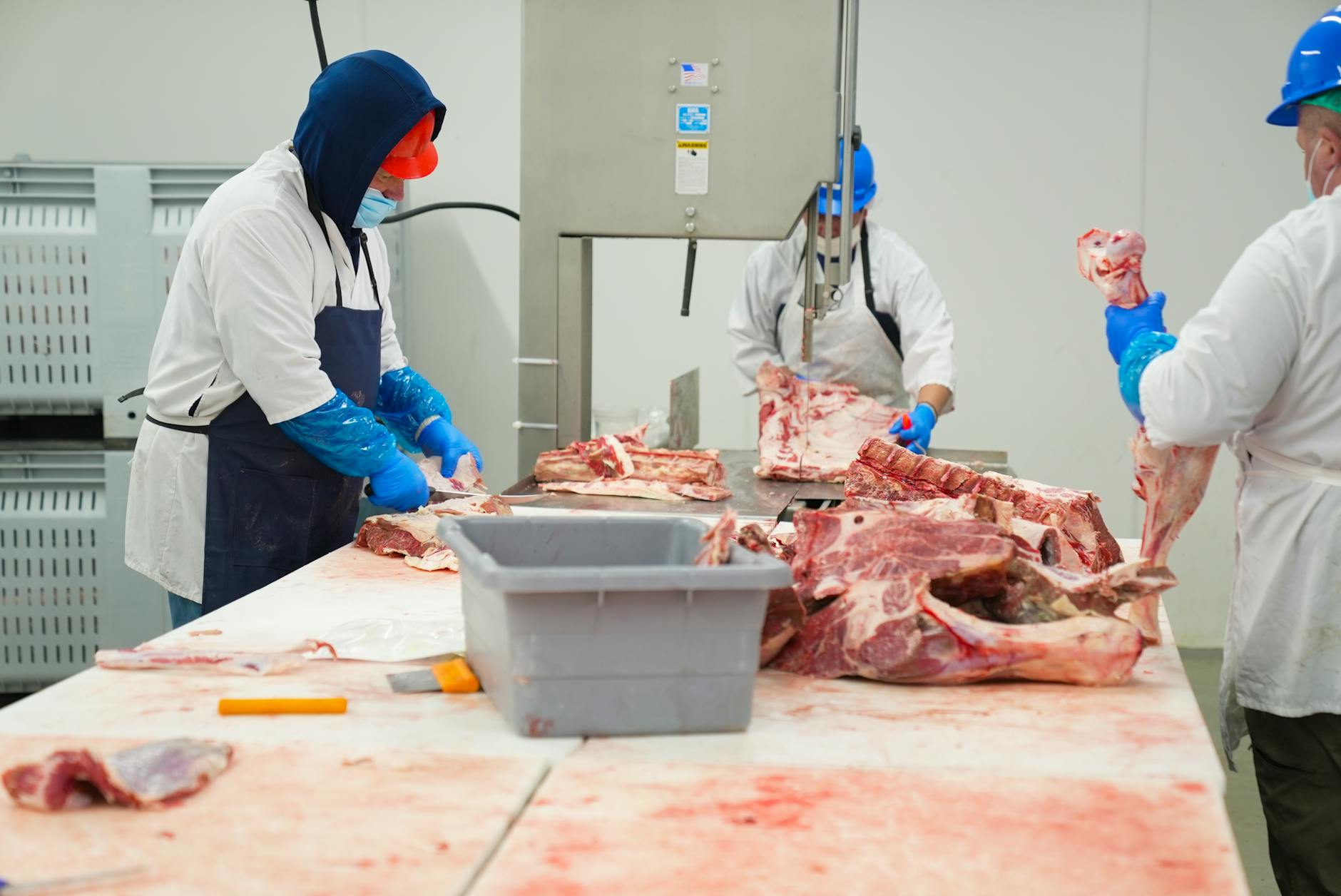
Liffey Meats operates advanced processing facilities in Cavan and Ballyjamesduff, employing approximately 650 workers across its production sites. The company specializes in high-quality beef processing for European retail and foodservice customers, focusing on premium cuts that command higher margins in continental markets. Industry analysts suggest the Lidl agreement could create additional employment opportunities in the Border region, where manufacturing jobs remain economically vital.
The German discounter operates more than 12,000 stores across Europe and has consistently expanded its Irish supplier base in recent years. Lidl Ireland has publicly committed to sourcing €2 billion worth of Irish products annually, positioning the retailer as a crucial partner for domestic food manufacturers seeking international distribution. Enterprise Ireland data indicates that retail partnerships with major European chains have become increasingly important for Irish agri-food companies pursuing growth beyond domestic markets.
This commercial agreement aligns with broader Irish agricultural export strategies emphasizing quality, traceability and sustainability credentials that resonate with European consumers. Irish beef maintains premium positioning across continental markets due to grass-fed production methods and stringent quality assurance protocols administered through Bord Bia’s Quality Assurance Scheme. Approximately ninety percent of Irish cattle are grass-fed, providing marketing advantages in environmentally conscious European markets.
The timing proves significant as European beef consumption patterns evolve, with retailers increasingly demanding transparent supply chains and verified sustainability standards. Irish processors investing in certifications and carbon footprint reduction have gained competitive advantages over rivals from South American and non-EU origins. The Department of Agriculture has prioritized supporting processors like Liffey Meats in meeting stringent European environmental requirements through targeted grant schemes.
Currency fluctuations between the euro and sterling have additionally incentivized Irish exporters to strengthen European Union market positions, reducing exposure to British pound volatility. Financial analysts note that multi-year agreements with major European retailers provide revenue stability essential for capital investment in processing technology and sustainability improvements. The Irish Food Board projects that beef exports to continental Europe will exceed €1.4 billion in 2025, representing sustained growth despite inflationary pressures affecting consumer spending across the eurozone.
Regional economic impacts from such agreements extend beyond direct employment, supporting livestock farmers throughout Cavan and surrounding counties who supply cattle to processing facilities. Approximately 4,000 Irish beef farms depend on processor contracts for market access, making agreements like the Lidl-Liffey Meats partnership crucial for rural economic sustainability. Industry representatives have emphasized that maintaining processing capacity in regional locations prevents over-concentration in larger urban centers and preserves agricultural employment in Border counties.