
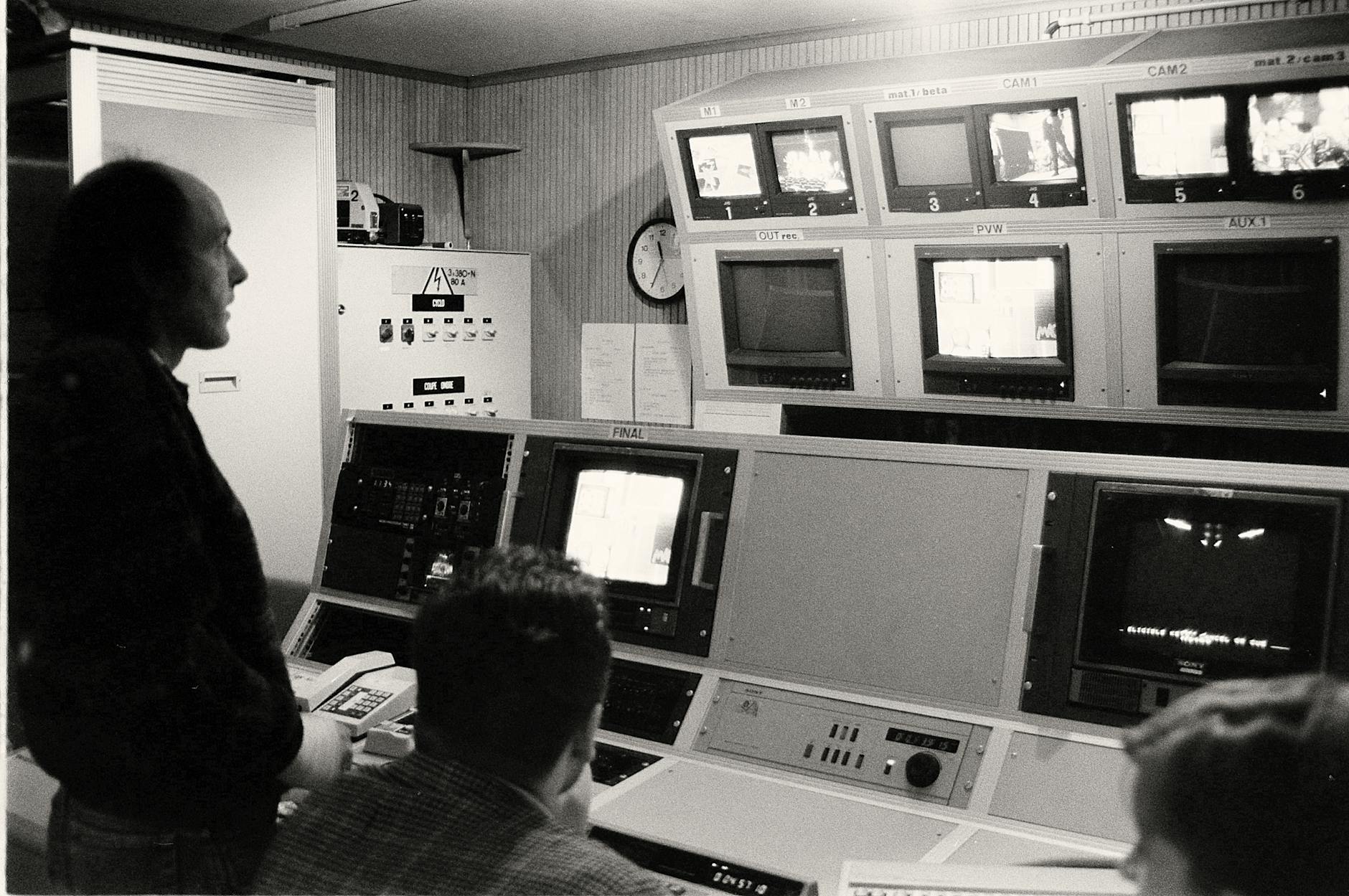
Television licence purchases across Ireland have fallen by 12 percent during the current year, creating an urgent funding challenge for public service broadcasting and forcing government ministers to accelerate plans for alternative revenue models to support RTÉ and other state-funded media services.
The substantial decline in licence fee payments represents a continuation of a multi-year trend that threatens the financial sustainability of Ireland’s public broadcasting infrastructure. As households increasingly shift toward streaming platforms and digital content delivery, the traditional licence fee model faces existential questions about its viability in the modern media landscape.
The revenue shortfall comes at a particularly challenging moment for Irish public service broadcasting, which continues to navigate reputational damage and public trust issues stemming from financial controversies that emerged in recent years. The combination of declining licence compliance and reduced public confidence has created a perfect storm threatening the operational capacity of national broadcasters.
Industry analysts suggest the 12 percent reduction translates to tens of thousands of households either abandoning traditional television entirely or failing to maintain compliance with licensing requirements. The standard annual television licence currently costs €160, meaning each percentage point decline represents significant lost revenue for public broadcasting operations.
Government departments are now examining multiple funding alternatives, including direct Exchequer funding, subscription models, advertising revenue expansion, or hybrid approaches combining several revenue streams. The Department of Tourism, Culture, Arts, Gaeltacht, Sport and Media has indicated that comprehensive reform proposals will be developed within the coming months.
European broadcasting markets have witnessed similar challenges, with several countries abandoning traditional licence fee models in favour of household levies or direct taxation funding. Germany’s broadcasting contribution system and the BBC’s licence fee debates in the United Kingdom provide international context for Ireland’s public broadcasting funding dilemma.
The declining licence revenue affects not only RTÉ but also other recipients of Broadcasting Fund allocations, including TG4, independent production companies, and regional broadcasting initiatives. These organizations depend on stable funding to maintain programming quality, employ creative talent, and fulfill public service mandates including Irish language content production.
Enforcement of television licence compliance has become increasingly difficult as technology evolves. Households consuming media exclusively through streaming services or internet-connected devices often believe they fall outside licensing requirements, even when legal obligations technically apply to equipment capable of receiving broadcast signals.
The 12 percent decline follows similar reductions in previous years, suggesting accelerating momentum away from the licence fee model rather than temporary fluctuation. This pattern indicates structural change in Irish media consumption habits rather than cyclical variation that might reverse with economic conditions or policy adjustments.
Broadcasting sector representatives have warned that continued revenue erosion without alternative funding mechanisms will necessitate substantial programming cuts, reduced investment in Irish content production, and potential workforce reductions across public service media organizations. Such outcomes would diminish Ireland’s indigenous media production capacity and cultural output.
The funding crisis also raises questions about Ireland’s ability to maintain media plurality and independent journalism in an era of consolidated global media platforms. Public service broadcasting historically provides content that commercial operators cannot economically justify, including minority language programming, regional coverage, and investigative journalism.
Political consensus on broadcasting reform remains elusive, with different parties advocating varying approaches to public media funding. Some favor direct government funding through general taxation, while others support modernized fee structures or commercial revenue expansion to reduce taxpayer burden.
The government faces pressure to resolve the funding question decisively before revenue decline reaches crisis proportions that could force emergency interventions or dramatic service reductions. The 12 percent annual decrease suggests the current model has perhaps three to five years of viability remaining without substantial modification or supplementary funding arrangements.