
Irish households facing difficulty paying energy bills have multiple options for financial relief and payment assistance, according to consumer advocates and energy suppliers operating in Ireland. With energy costs remaining elevated despite recent decreases from peak 2022 levels, understanding available support mechanisms has become crucial for household financial management.
The Department of Environment, Climate and Communications administers several household energy support schemes designed to assist vulnerable consumers. These programmes include the Fuel Allowance, which provides €33 weekly payments during winter months to qualifying recipients, and the Household Benefits Package offering electricity or gas allowances to eligible households. Approximately 450,000 Irish households currently receive fuel allowance support, representing significant government intervention in household energy costs.
Energy suppliers including Electric Ireland, Bord Gáis Energy, SSE Airtricity, and Energia maintain dedicated customer support teams specifically trained to handle payment difficulties. These providers are required under Commission for Regulation of Utilities guidelines to offer flexible payment arrangements before disconnection procedures commence. Payment plans typically allow customers to spread arrears over six to twelve months whilst maintaining current usage payments, providing breathing room for households experiencing temporary financial pressure.
The Money Advice and Budgeting Service, operated by the Citizens Information Board, offers free, confidential assistance to individuals struggling with debt including energy bills. MABS advisors work directly with energy providers to negotiate sustainable repayment arrangements and can advocate on behalf of consumers facing disconnection threats. The service handled over 23,000 cases involving utility debt during 2023, demonstrating the scale of energy payment challenges facing Irish households.
Consumer advocacy groups recommend immediate contact with energy suppliers upon recognizing payment difficulties rather than waiting until arrears accumulate substantially. Early intervention typically results in more favourable payment terms and helps avoid disconnection scenarios entirely. Energy companies report significantly higher success rates in resolving payment issues when customers proactively engage before accounts fall seriously behind.
The Commission for Regulation of Utilities enforces strict consumer protection measures requiring energy suppliers to demonstrate exhaustive efforts to assist struggling customers before disconnection authorization. This regulatory framework includes mandatory cooling-off periods, written disconnection warnings, and consideration of vulnerable household circumstances including medical dependencies on electricity supply.
Financial experts emphasize reviewing energy consumption patterns as a complementary strategy to payment assistance. Simple efficiency measures like optimizing heating schedules, eliminating standby power consumption, and utilizing energy-efficient appliances can reduce monthly bills by 15-25 percent without significant capital investment. The Sustainable Energy Authority of Ireland provides free energy assessments and grant programmes for home insulation improvements that deliver long-term cost reductions.
Community welfare officers attached to local authorities possess discretionary powers to issue exceptional needs payments for urgent energy costs in crisis situations. These emergency supports typically cover immediate disconnection threats or situations where households face health risks from energy deprivation during winter periods. Applications require assessment of financial circumstances but can provide critical short-term relief while longer-term solutions are arranged.
The Society of St Vincent de Paul and other charitable organizations operate energy assistance programmes in communities throughout Ireland, supplementing state supports with additional emergency payments and energy vouchers. These voluntary sector interventions often provide faster response times than governmental programmes whilst also connecting struggling households with broader support services addressing underlying financial difficulties.
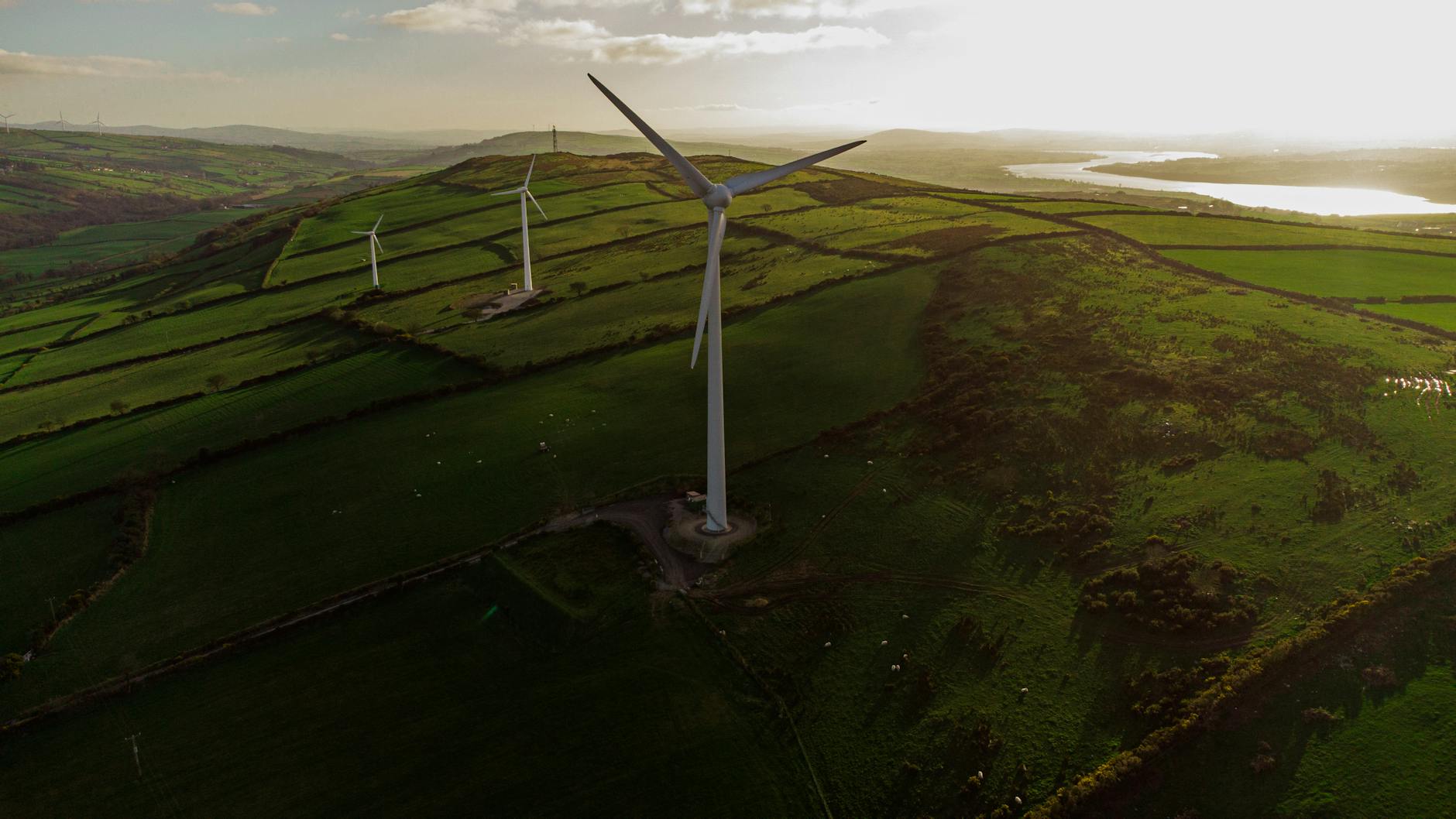
Looking ahead, energy market analysts predict continued volatility in wholesale electricity and gas prices driven by international supply dynamics and Ireland’s transition toward renewable energy sources. This uncertainty underscores the importance of understanding available support mechanisms and establishing proactive communication with energy providers when financial pressures emerge. Households experiencing payment difficulties should immediately explore available schemes rather than allowing arrears to compound into unmanageable situations threatening essential energy supplies.