

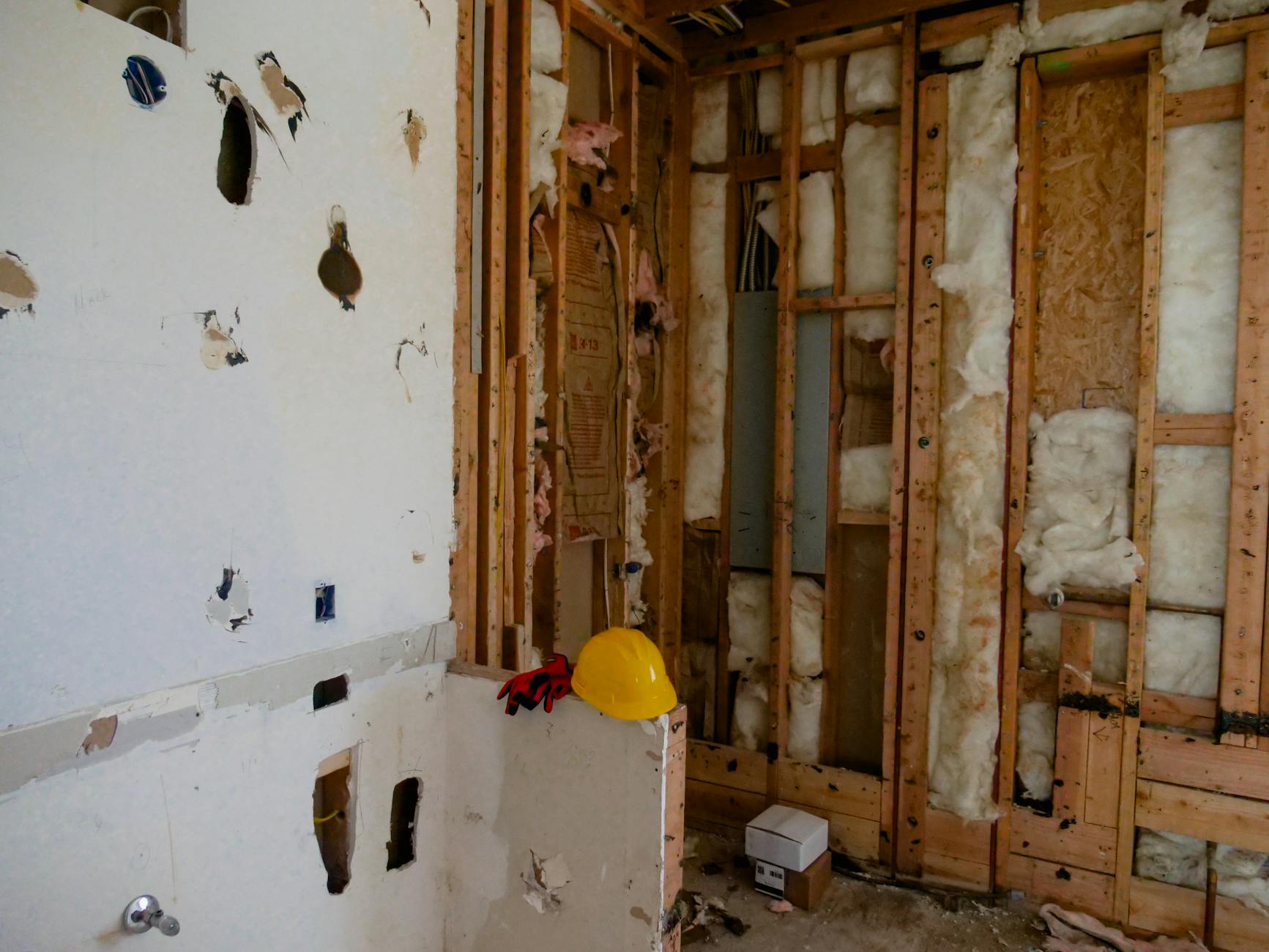
Irish homeowners are increasingly questioning whether investing in home energy upgrades represents worthwhile value, as concerns mount over the financial viability and practical complexity of residential sustainability improvements. The debate centres on whether pursuing comprehensive energy efficiency measures delivers adequate returns compared to the substantial upfront costs involved.
The hesitation reflects a broader challenge facing Ireland’s climate action targets, with residential buildings accounting for a significant portion of national energy consumption. Government initiatives aim to retrofit 500,000 homes to a Building Energy Rating of B2 or higher by 2030, yet participation rates suggest many property owners remain unconvinced about the economic case for extensive upgrades.
Financial barriers represent the primary obstacle preventing widespread adoption of energy efficiency measures. While grant schemes administered by the Sustainable Energy Authority of Ireland provide partial funding, homeowners frequently face out-of-pocket expenses ranging from €15,000 to €50,000 for comprehensive retrofits. The return on investment period often extends beyond a decade, creating uncertainty particularly for older homeowners or those planning to relocate.
The complexity of navigating Ireland’s energy upgrade landscape further compounds reluctance. Homeowners must coordinate between Building Energy Rating assessors, contractors, grant administrators and technical advisors, with the process frequently taking months from initial assessment to completion. Supply chain constraints and a shortage of qualified retrofit specialists have created bottlenecks, driving up costs and extending project timelines beyond many households’ patience thresholds.
Industry experts note that pursuing perfection in energy efficiency improvements can paradoxically undermine progress toward national sustainability goals. The emphasis on achieving optimal BER ratings may discourage homeowners from implementing incremental improvements that would nonetheless deliver meaningful reductions in energy consumption and carbon emissions. This perfectionist approach risks becoming the enemy of practical progress.
Alternative perspectives suggest that targeted, proportionate upgrades may offer superior value propositions for many households. Installing attic insulation, upgrading heating controls and replacing inefficient boilers represent relatively affordable interventions that can reduce energy bills by 20-30 percent without requiring extensive structural work or five-figure investments. These intermediate measures could accelerate overall national progress while remaining financially accessible to middle-income families.
The economic environment has shifted considerably since Ireland’s retrofit programmes launched, with construction inflation and interest rate increases substantially altering cost-benefit calculations. Materials prices have risen approximately 40 percent since 2020, while higher mortgage rates mean that borrowing to finance upgrades now carries greater long-term expense. These macroeconomic headwinds have made the financial arithmetic considerably less favourable than government projections initially assumed.
Energy market volatility following recent geopolitical disruptions initially strengthened the case for reducing household consumption, with dramatic price spikes demonstrating vulnerability to external shocks. However, subsequent price stabilisation has reduced the urgency some homeowners felt, diminishing the immediate financial incentive for expensive efficiency measures despite longer-term environmental imperatives.
Policy makers face difficult choices in recalibrating support mechanisms to accelerate uptake while managing public expenditure constraints. Enhanced grant funding would reduce household barriers but strain government budgets, while mandatory upgrade requirements for property transactions could trigger political backlash from homeowners facing unexpected costs. The Department of the Environment, Climate and Communications continues examining options to balance these competing priorities.
The residential retrofit challenge illustrates broader tensions between ambitious climate commitments and practical implementation realities. While comprehensive building upgrades represent optimal technical solutions, their cost and complexity create adoption barriers that may ultimately delay progress toward carbon reduction targets. Accepting incremental improvements rather than insisting on perfect outcomes could paradoxically accelerate Ireland’s transition toward sustainable housing while maintaining public support for environmental action.