

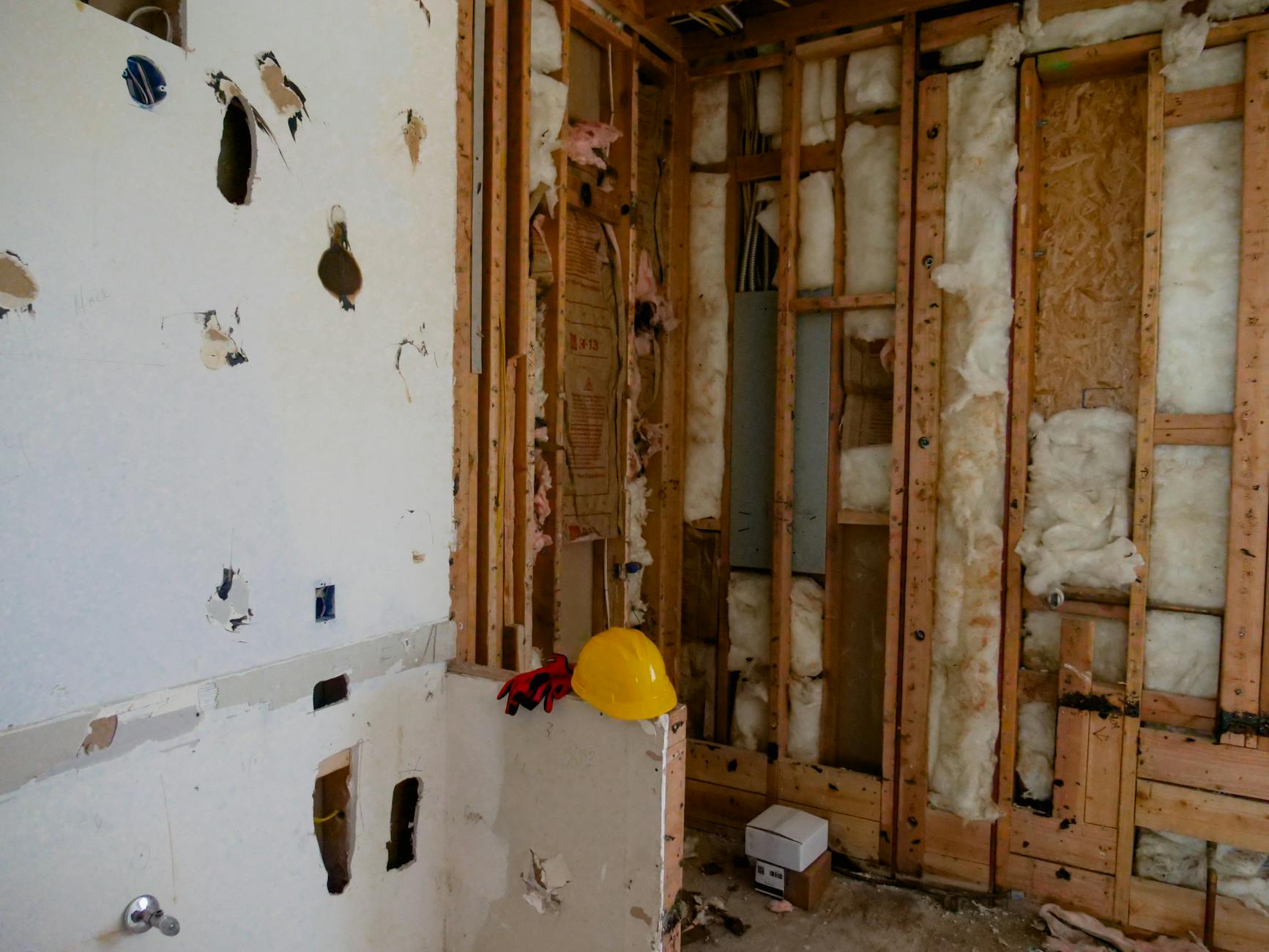
Irish homeowners increasingly face difficult decisions about whether home energy upgrades represent worthwhile investments, particularly as escalating installation costs compete with promised long-term savings on heating bills. The debate centres on whether pursuing incremental improvements delivers genuine value or whether holding out for comprehensive retrofits makes better financial sense.
The conversation has intensified following government commitments to improve national housing stock energy efficiency as part of Ireland’s climate obligations. The Sustainable Energy Authority of Ireland has promoted various grant schemes designed to make upgrades more accessible, yet many households remain uncertain about optimal approaches to reducing their carbon footprint whilst managing immediate financial pressures.
Financial analysts suggest that perfectionism may be preventing many Irish families from capturing readily available energy savings. Rather than waiting to afford comprehensive A-rated retrofits costing upwards of fifty thousand euros, experts recommend prioritising cost-effective interventions that deliver disproportionate benefits. Attic insulation, draught-proofing, and boiler upgrades typically offer payback periods of three to seven years, making them attractive near-term investments regardless of future comprehensive upgrade plans.
The Irish residential property market contains approximately two million dwellings, with census data indicating that roughly sixty percent were constructed before modern building energy regulations took effect. This legacy housing stock represents both a significant challenge for national climate targets and a substantial opportunity for energy cost reduction. Average Irish households currently spend between fifteen hundred and three thousand euros annually on home heating, with poorly insulated properties at the higher end of this spectrum.
Recent economic research demonstrates that incremental improvements can reduce heating costs by twenty to thirty percent even without achieving optimal energy ratings. Simple measures like upgrading heating controls, installing thermostatic radiator valves, and sealing air leakage points cost relatively little but compound their effects when implemented together. These interventions become particularly valuable given Ireland’s volatile energy market, where wholesale prices have fluctuated dramatically over recent years.
The Department of Environment, Climate and Communications has allocated substantial funding for residential retrofit programmes, recognising that domestic heating accounts for approximately twenty-five percent of national energy consumption. However, uptake has been slower than projected, partly because homeowners feel overwhelmed by choices between competing technologies and worried about selecting solutions that may become obsolete as standards evolve.
Industry specialists emphasise that current energy-saving technologies have matured considerably, reducing technological obsolescence risks. Modern condensing boilers, heat pumps, and insulation materials represent established solutions rather than experimental technologies. While future innovations may offer marginal improvements, waiting indefinitely means foregoing years of potential savings whilst continuing to pay premium heating costs.
Property valuation professionals note that energy ratings increasingly influence residential market prices, with well-insulated homes commanding premiums particularly in urban markets like Dublin and Cork. Building Energy Rating certificates now factor prominently in property transactions, making energy upgrades legitimate investments in asset value beyond pure utility savings. Estate agents report that properties with B2 ratings or better typically sell faster and achieve asking prices more consistently than equivalent properties with lower ratings.
Financial advisors recommend that homeowners conduct personalised cost-benefit analyses rather than applying generic rules. Variables including property age, construction type, occupancy patterns, and heating systems all influence optimal upgrade pathways. Professional assessments through registered energy advisors cost several hundred euros but provide tailored recommendations that can prevent expensive mistakes and prioritise interventions delivering maximum return on investment.
The broader economic context supports prioritising energy efficiency investments despite short-term budget constraints. With mortgage interest rates elevated and inflation affecting household budgets, reducing ongoing energy expenses improves financial resilience. Energy upgrades essentially function as inflation-protected investments, as saved energy costs compound annually regardless of fuel price movements.
Consumer advocates stress that imperfect action beats perfect inaction when addressing home energy performance. Starting with affordable improvements generates immediate savings that can fund subsequent upgrades, creating a virtuous cycle of continuous improvement. This pragmatic approach aligns with behavioural economics research showing that small wins build momentum for larger commitments, making comprehensive retrofits more achievable over time rather than attempting overwhelming single-stage transformations.