

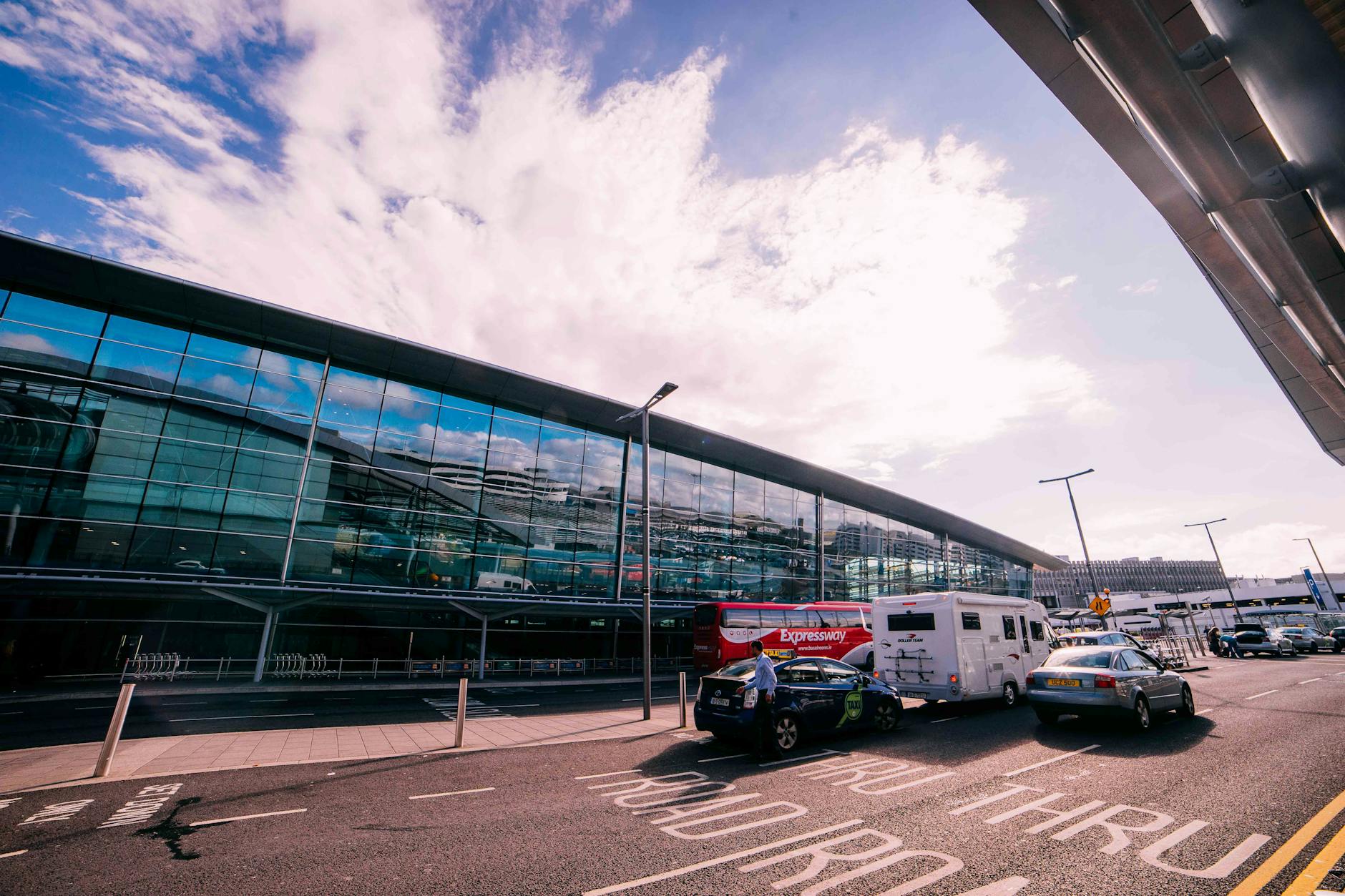
Irish passengers traveling through Gulf aviation hubs are confronting unprecedented disruption as limited flight operations force a comprehensive reassessment of both immediate and future travel plans across major Middle Eastern transit points. The aviation turmoil affecting Gulf carriers represents a significant challenge for Irish business travellers and tourists who have increasingly relied on these crucial connection points for Asian, African and Australasian destinations.
The restriction of flight operations through key Gulf hubs has created immediate complications for Irish travellers, with passengers urgently seeking alternative routing options that may involve significantly longer journey times and increased costs. Aviation industry sources indicate that the disruption could persist for weeks or potentially months, prompting both leisure and business travellers to fundamentally reconsider their international travel strategies during this uncertain period.
Ireland’s connectivity to global markets has become increasingly dependent on Gulf carrier operations in recent years, with airlines such as Etihad Airways and competitors establishing Dublin as a strategic Atlantic gateway. The Irish aviation sector has benefited substantially from this Gulf expansion, with these services providing vital links for Irish exporters, technology professionals, and pharmaceutical industry representatives conducting business across Asia-Pacific markets.
The current aviation crisis holds particular significance for Ireland’s internationally focused economy, where approximately 90 percent of Enterprise Ireland client companies operate in export markets. Business travellers who previously relied on efficient Gulf connections to reach emerging markets in India, Southeast Asia and East Africa now face difficult decisions about postponing critical meetings or accepting considerably more complex travel arrangements through European or other alternative hubs.
Travel industry professionals across Ireland report unprecedented demand for rebooking assistance as affected passengers explore routing through European hubs including Frankfurt, Paris and Amsterdam. However, these alternative pathways frequently involve additional connections, extended travel durations, and substantially higher ticket prices during peak booking periods. The financial implications for Irish businesses managing travel budgets have become increasingly pronounced, with some companies reporting cost increases exceeding 40 percent for replacement routing options.
The disruption arrives during a period when Irish outbound travel had shown robust recovery following pandemic restrictions, with Central Bank of Ireland data indicating strong consumer spending on international travel services. Tourism and hospitality sectors that had anticipated continued growth in long-haul leisure travel now confront potential revenue impacts as Irish consumers reconsider distant destination holidays that traditionally required Gulf connections.
Aviation analysts suggest the current situation may accelerate discussions around Ireland’s long-haul connectivity strategy, with potential implications for future route development from Dublin, Cork and Shannon airports. The DAA has previously emphasized the strategic importance of maintaining diverse international connectivity to support Ireland’s open economy, and the present crisis underscores the vulnerability inherent in dependency on specific transit corridors.
For Irish pharmaceutical and medical device companies maintaining global operations, the aviation limitations present particular challenges around supply chain oversight and quality assurance activities requiring on-site presence. Industry representatives indicate that while remote collaboration has advanced significantly, certain regulatory and manufacturing processes still necessitate physical attendance that the current aviation environment renders considerably more difficult.
Looking ahead, uncertainty surrounding the duration and scope of Gulf aviation restrictions continues to complicate planning for Irish businesses with international operations. Corporate travel managers are implementing contingency frameworks that prioritize essential travel while identifying opportunities for virtual engagement where feasible. The situation serves as a reminder of the complex interdependencies within global aviation networks and their material impact on Ireland’s internationally connected economy.