
Recent data reveals a decline in Germany’s industrial production and factory orders at the onset of the year, casting doubt on expectations for a quick economic rebound. This downturn occurs against a backdrop of escalating tensions in the Middle East, particularly related to the ongoing conflict in Iran, which may further complicate the recovery trajectory for Europe’s largest economy.
In January, Germany’s industrial production fell by a significant margin, reflecting broader challenges within the manufacturing sector. Experts had anticipated a gradual recovery following previous disruptions, yet the latest figures suggest that these hopes may be overly optimistic. The reduction in factory orders, which are a key indicator of future production activity, adds another layer of concern about the resilience of the German economy.
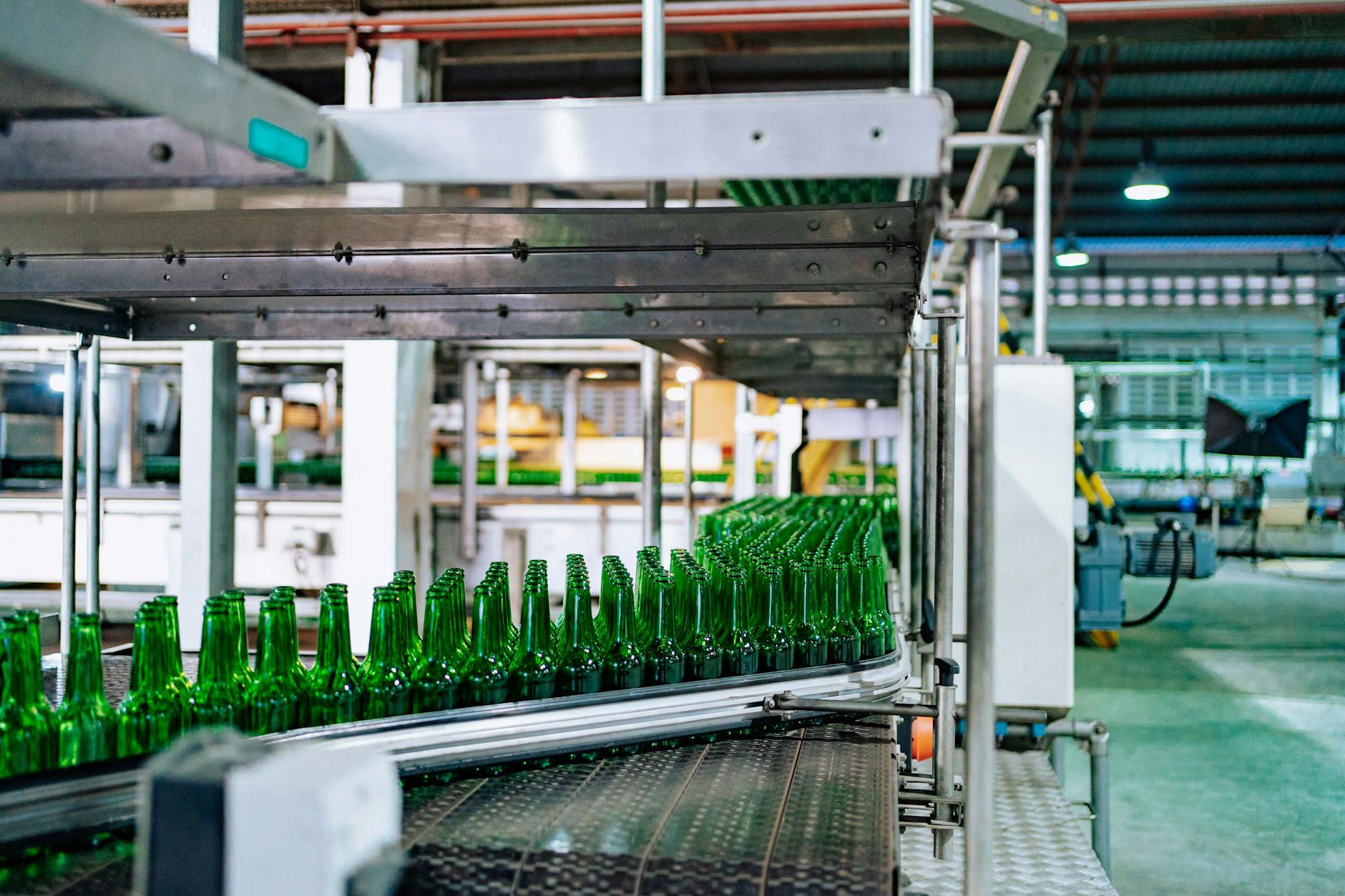
The decline in industrial output is particularly notable given the importance of manufacturing to Germany’s economic landscape. The sector has traditionally been a robust driver of growth, accounting for a substantial portion of the country’s GDP. However, as global supply chains remain fragile and demand fluctuates, many manufacturers are facing increasing pressure. The ongoing conflict in Iran is anticipated to exacerbate these issues, potentially impacting oil prices and further straining production capabilities.
Analysts suggest that the combination of declining orders and production could lead to a more prolonged period of economic stagnation. The geopolitical climate, particularly the implications of the Iran crisis, could result in increased costs for raw materials and energy, which are critical inputs for manufacturing processes. This situation necessitates vigilance from policymakers and business leaders alike as they navigate these uncertain waters.
In light of these challenges, the German government may need to implement measures to stimulate growth and bolster investor confidence. Programs aimed at enhancing productivity and supporting innovation within the industrial sector could be vital in mitigating the adverse effects of both domestic and international pressures. Additionally, maintaining close ties with European partners will be crucial for ensuring stability amidst the shifting geopolitical landscape.
Looking ahead, the implications of these developments are significant for the broader European economy. As Germany serves as a bellwether for many other nations within the Eurozone, any sustained downturn in its industrial sector may foreshadow wider economic challenges across the region. Stakeholders will be closely monitoring future data releases to gauge whether this trend continues or if recovery efforts can gain momentum despite the prevailing uncertainties.