

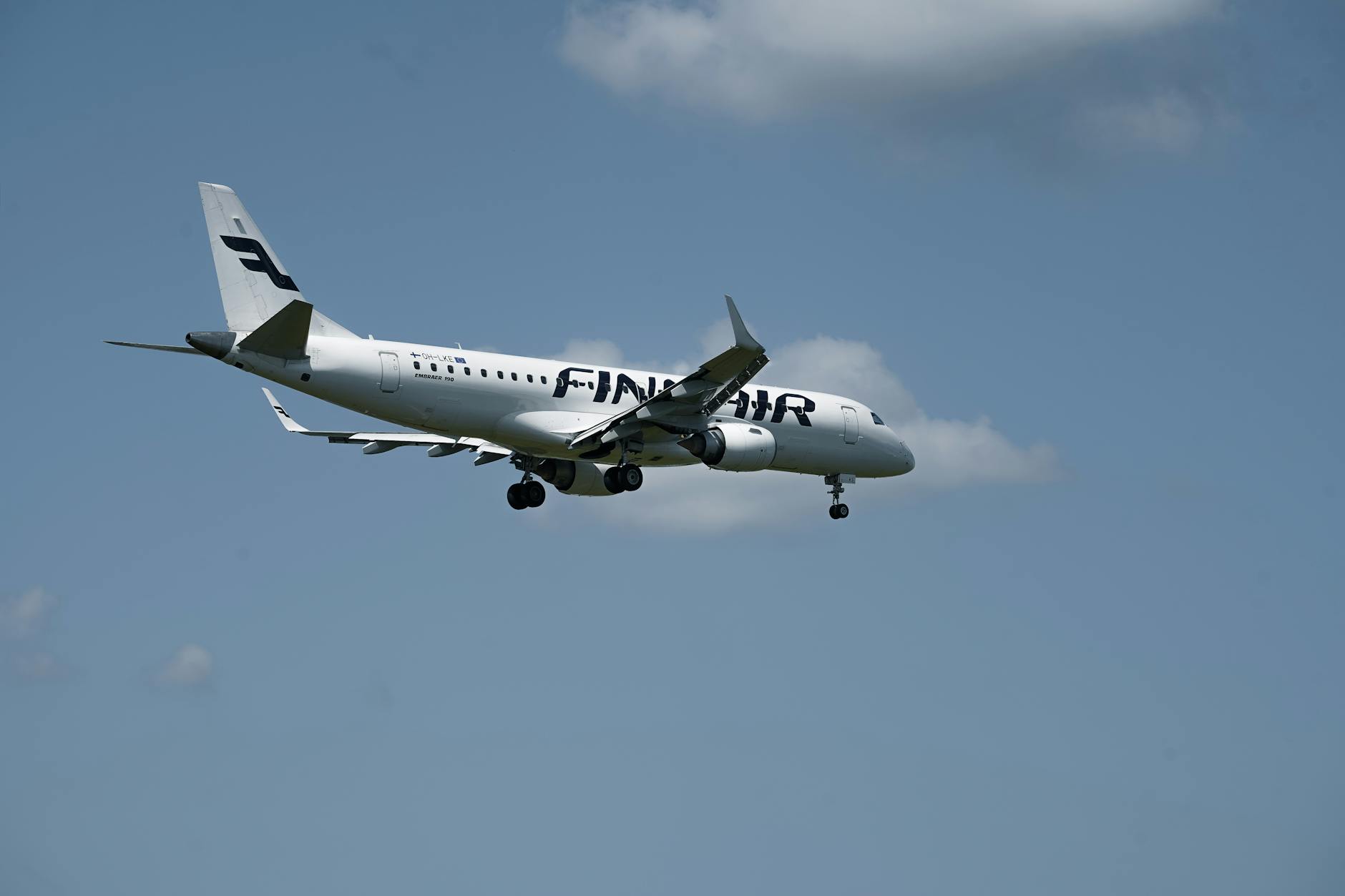
Finnair has awarded a major fleet renewal contract to Brazilian aircraft manufacturer Embraer, ordering 18 E195-E2 narrow-body jets to replace its current European short-haul aircraft, marking a notable departure from its existing relationship with Airbus. The decision represents a strategic pivot for the Nordic carrier as it seeks to optimize its regional operations and improve cost efficiency across its European network.
The Helsinki-based airline’s selection of Embraer over established suppliers signals a broader trend in European aviation where carriers are reassessing their fleet requirements amid evolving market conditions and heightened focus on operational economics. The E195-E2, part of Embraer’s second-generation E-Jet family, accommodates up to 146 passengers and offers enhanced fuel efficiency compared to previous generation aircraft, a critical consideration as European airlines navigate volatile energy costs and stringent environmental regulations.
For Irish aviation stakeholders, Finnair’s decision carries particular significance given Ireland’s position as a major European aviation hub through the Dublin Airport network and the presence of numerous aircraft leasing companies domiciled in the Irish International Financial Services Centre. The country’s aviation leasing sector, which controls approximately half of the world’s leased aircraft fleet, closely monitors such procurement decisions as they influence future leasing opportunities and market demand for specific aircraft types.
The competitive dynamics between aircraft manufacturers have intensified considerably as airlines worldwide seek to modernize aging fleets while managing capital expenditure constraints. Embraer’s success in securing this contract demonstrates the Brazilian manufacturer’s growing competitiveness in the 120-150 seat segment, traditionally dominated by Airbus A220 and Boeing 737 variants. Industry analysts suggest the E195-E2’s lower list price and operational costs likely played a decisive role in Finnair’s procurement decision.
Finnair’s fleet strategy reflects broader challenges facing European carriers operating short-haul routes, where profit margins remain compressed due to intense competition from low-cost operators and high infrastructure costs. The airline has been restructuring its operations following significant financial pressures experienced during recent travel disruptions, with European short-haul routes requiring particularly careful cost management to maintain profitability. The new aircraft are expected to deliver approximately twenty percent better fuel efficiency per seat compared to first-generation E-Jets.
The timing of this announcement coincides with renewed focus across European aviation on fleet optimization and environmental performance. Airlines face increasing pressure from regulators and investors to reduce carbon emissions, making fuel-efficient aircraft selection a strategic imperative rather than merely an operational preference. The E195-E2’s improved environmental credentials align with industry-wide sustainability commitments while delivering tangible cost reductions through lower fuel consumption.
From an Irish economic perspective, developments in European aviation procurement affect multiple domestic sectors including aircraft leasing, maintenance services, and tourism connectivity. Changes in fleet composition among European carriers influence demand patterns for technical services and potentially create opportunities for Irish aviation services companies that maintain expertise across various aircraft platforms. The Irish aviation sector employs over 30,000 people directly and contributes significantly to the national economy through both operations and ancillary services.
Finnair’s decision also highlights the evolving competitive landscape among aircraft manufacturers, where traditional customer loyalty increasingly gives way to data-driven procurement focused on total cost of ownership and operational flexibility. The Brazilian manufacturer has invested heavily in developing its E2 family to compete effectively against Airbus and Boeing in the smaller narrow-body segment, and this latest contract validates that investment strategy. Delivery schedules and specific financial terms were not disclosed in the initial announcement, though such orders typically span several years to accommodate manufacturing capacity and airline operational requirements.