

In the vibrant landscape of small and medium-sized enterprises (SMEs) across Ireland, the integration of diverse age groups can sometimes present challenges. A recent inquiry from an SME owner highlights a growing concern: a noticeable disconnect between younger employees, particularly those from Generation Z, and their older colleagues. This situation raises important questions about workplace culture and inclusivity, particularly as remote work becomes more prevalent.
The business owner expressed frustration at the apparent isolation of several younger team members, who seem to prefer working in solitude. These individuals, identified as belonging to Gen Z, often refrain from participating actively in meetings and tend to concentrate on their tasks while wearing headphones. This behavior not only stifles their contributions but also limits opportunities for team bonding and collaboration, which are crucial for a healthy work environment.
This phenomenon is not unique to this particular SME; many organizations are grappling with similar challenges as the workforce becomes increasingly multigenerational. The younger generation, having grown up in a digital world, often approaches work differently than their older counterparts. They may prioritize flexibility, digital communication, and autonomy, leading to a potential rift in traditional workplace dynamics.
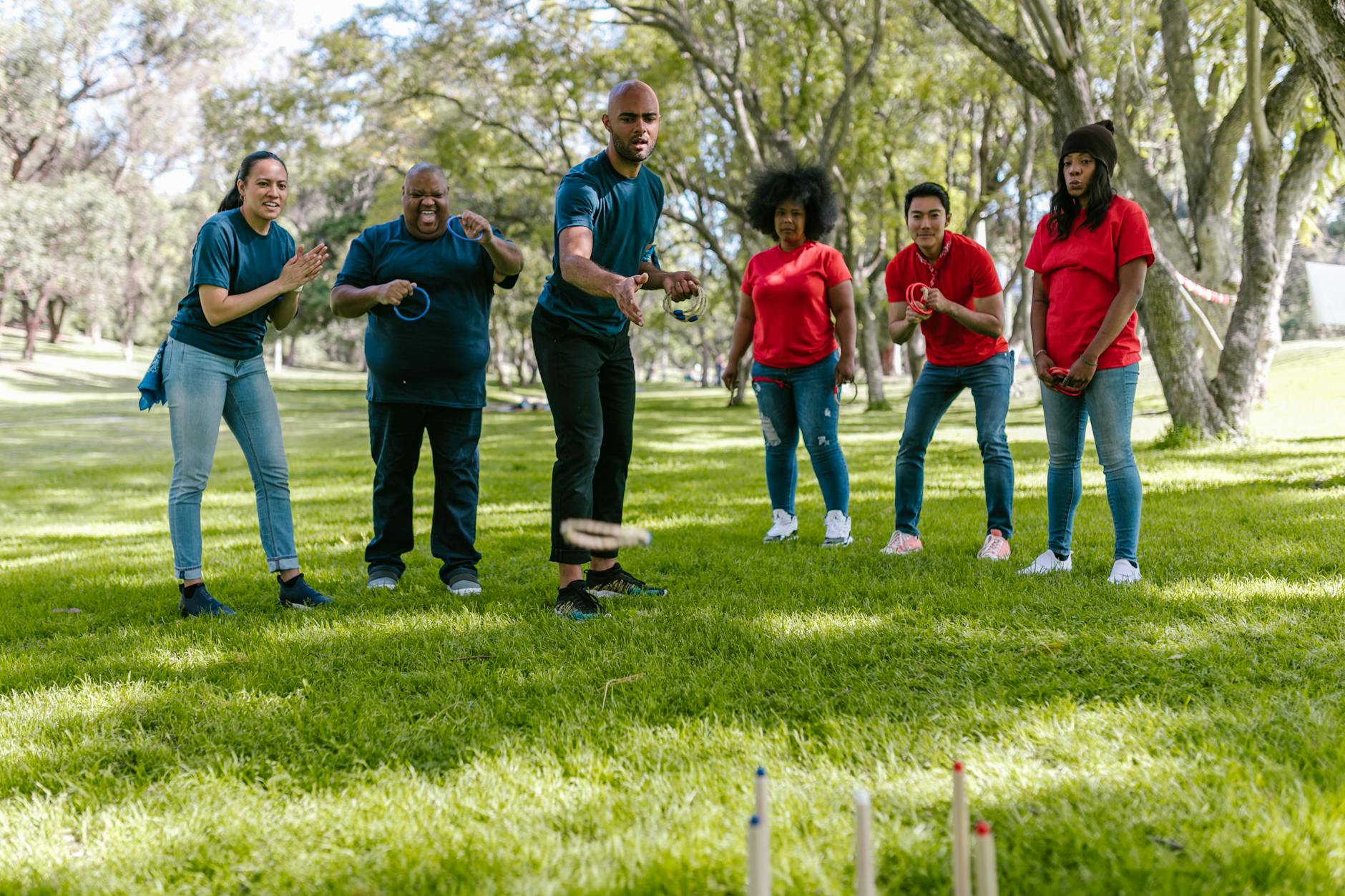
To address this issue, it is essential for business leaders to foster an inclusive environment that encourages interaction and collaboration. One effective strategy could be to implement regular team-building activities that cater to all age groups. Such initiatives can break down barriers and create opportunities for employees to connect on a personal level, thus enhancing teamwork and camaraderie.
Moreover, facilitating mentorship programs can bridge the generational gap. Pairing younger employees with seasoned veterans can provide invaluable insights while allowing both parties to learn from one another. This exchange of knowledge can foster mutual respect and understanding, which are vital for a cohesive workforce.
Another approach is to create designated times for brainstorming and open discussions during meetings. Encouraging younger staff to share their perspectives can help them feel valued and included. This simple act can transform the workplace dynamic, making it more collaborative and less hierarchical. Additionally, providing platforms for anonymous feedback can empower all employees to voice their opinions and concerns without fear of judgment.
It may also be beneficial to incorporate technology that resonates with younger employees. Utilizing collaborative tools that facilitate remote communication can ensure that all team members feel engaged, regardless of their physical location. By integrating these tools into daily operations, businesses can help mitigate feelings of isolation and promote inclusivity.
As we look towards the future, it is evident that adapting to the evolving workforce landscape is essential for the sustainability of SMEs. By taking proactive measures to connect with younger employees, businesses can harness their unique perspectives and skills, ultimately driving innovation and growth. Observing how these strategies play out in real-time will be crucial for understanding their effectiveness and making any necessary adjustments.
The challenge of integrating Gen Z employees into the wider team should not be viewed merely as an obstacle but as an opportunity to enrich the workplace culture. As SMEs continue to evolve, fostering a sense of belonging and collaboration will be key to unlocking the full potential of every team member, regardless of their age.