

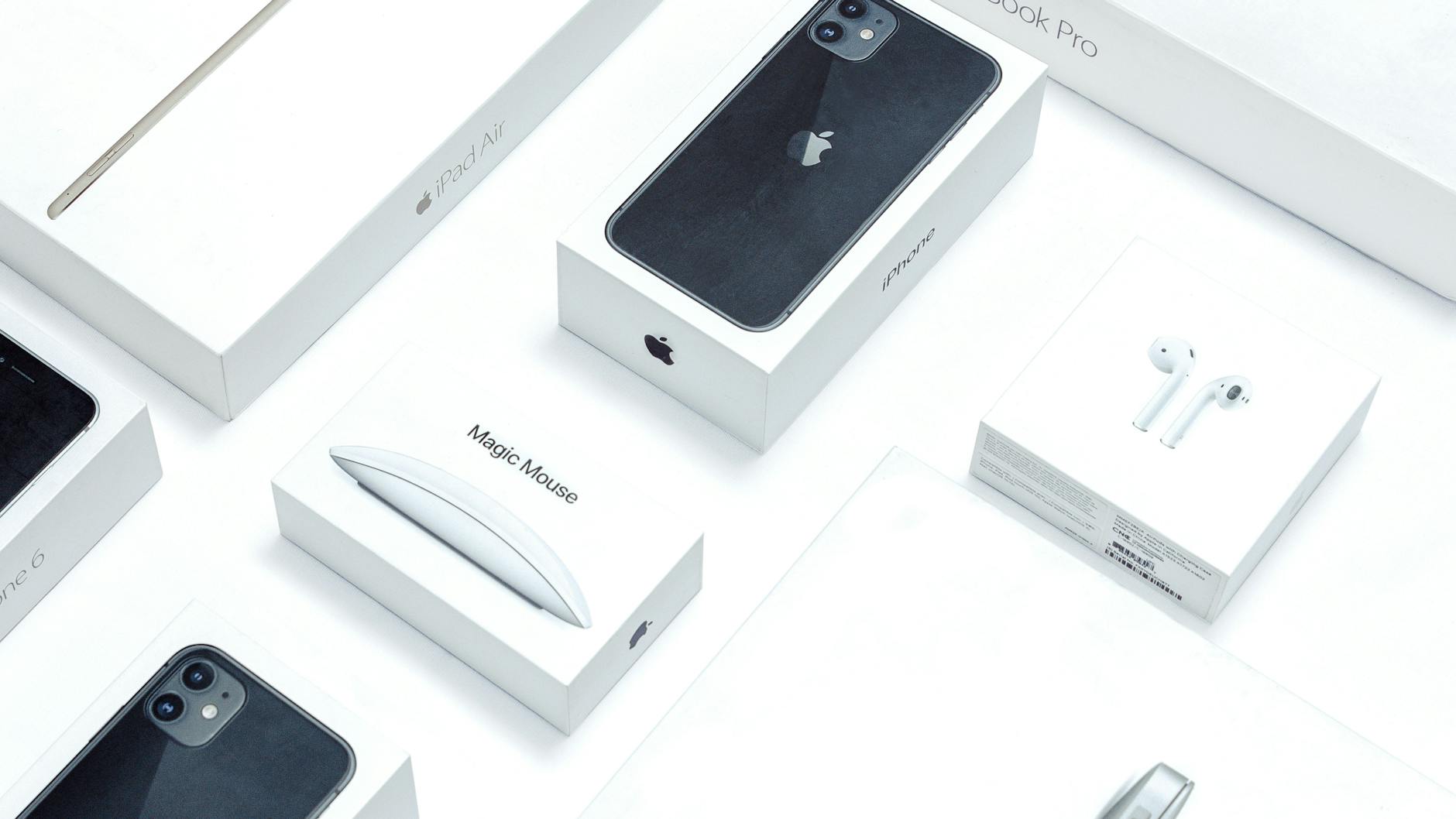
Apple Inc. has fundamentally transformed global technology access and usage over five decades, democratizing computing through innovative products that evolved from specialty equipment into everyday essentials used by billions. The company’s technological achievements have reshaped communications, business operations, creative industries, and consumer behavior worldwide, including significant impacts on Ireland’s technology sector and economy.
The company’s revolution began with the Apple II personal computer, which introduced accessible computing to households and small businesses previously excluded from the mainframe era. This groundbreaking machine established the blueprint for personal computing by combining user-friendly design with practical applications, setting Apple apart from competitors focused solely on technical specifications. The Apple II’s success demonstrated that technology could serve ordinary people rather than requiring specialized expertise.
Apple’s graphical user interface development represented another watershed moment in computing accessibility. By replacing command-line interfaces with visual elements including windows, icons, and mouse-driven navigation, Apple made computers intuitive for non-technical users. This innovation, refined through the Macintosh line, established design principles that became industry standards and enabled widespread computer adoption across education, business, and home environments.
The introduction of the iPod and iTunes ecosystem revolutionized music consumption and distribution, fundamentally altering the entertainment industry’s business models. By providing legal, convenient digital music access, Apple helped combat piracy while giving consumers unprecedented control over their music libraries. This transformation affected Irish musicians and recording studios by creating new distribution channels and revenue opportunities beyond traditional record labels.
The iPhone’s 2007 launch created the smartphone era, consolidating multiple devices into a single pocket-sized platform. This revolutionary product combined mobile telephony, internet access, multimedia capabilities, and countless applications, fundamentally changing how people communicate, work, and access information. The iPhone’s impact on Ireland’s economy has been substantial, with Apple establishing significant manufacturing and corporate operations that employ thousands in Cork and contribute billions to Irish GDP.
Apple’s App Store created an entirely new economic ecosystem, enabling developers worldwide to build businesses around mobile applications. This marketplace democratized software distribution, allowing individual programmers and small companies to reach global audiences without traditional publishing infrastructure. Irish software developers have particularly benefited from this platform, with numerous successful applications emerging from Dublin’s thriving technology startup community supported by Enterprise Ireland and other development agencies.
The iPad established the tablet computing category, filling the space between smartphones and laptops with a versatile device suited for content consumption, creative work, and educational applications. Educational institutions across Ireland adopted iPads for digital learning initiatives, transforming classroom experiences and preparing students for technology-driven workplaces. The tablet format also enabled new business applications in retail, healthcare, and field services.
Apple’s advancement of mobile payment technology through Apple Pay accelerated the transition toward cashless transactions. By integrating secure payment capabilities into smartphones and watches, Apple made contactless payments convenient and accessible, particularly valuable during the recent pandemic when minimizing physical contact became essential. Irish retailers and financial institutions rapidly adopted compatible payment systems, contributing to Ireland’s position among Europe’s leaders in digital payment adoption.
The company’s privacy and security emphasis has influenced industry-wide standards for data protection, particularly relevant given increasing concerns about digital privacy and regulatory frameworks like GDPR. Apple’s approach to encryption, data minimization, and user control over personal information has pressured competitors to strengthen their privacy practices, benefiting consumers globally including throughout the European Union where Ireland serves as the European headquarters for numerous technology companies.
Apple’s environmental commitments, including carbon neutrality goals and recycling initiatives, have set benchmarks for sustainable technology manufacturing. The company’s Irish operations incorporate renewable energy and sustainable practices, contributing to Ireland’s climate objectives while demonstrating that profitable technology businesses can prioritize environmental responsibility. These initiatives influence supplier networks worldwide, extending environmental benefits beyond Apple’s direct operations.
The company’s economic impact extends beyond products to its role as a major employer and taxpayer, particularly in Ireland where Apple has maintained significant presence for decades. The company’s European operations contribute substantially to Irish employment, skills development, and tax revenues, though the latter has been subject to international scrutiny regarding corporate taxation practices. Apple’s continued investment in Irish facilities demonstrates confidence in Ireland’s technology ecosystem and educated workforce.