

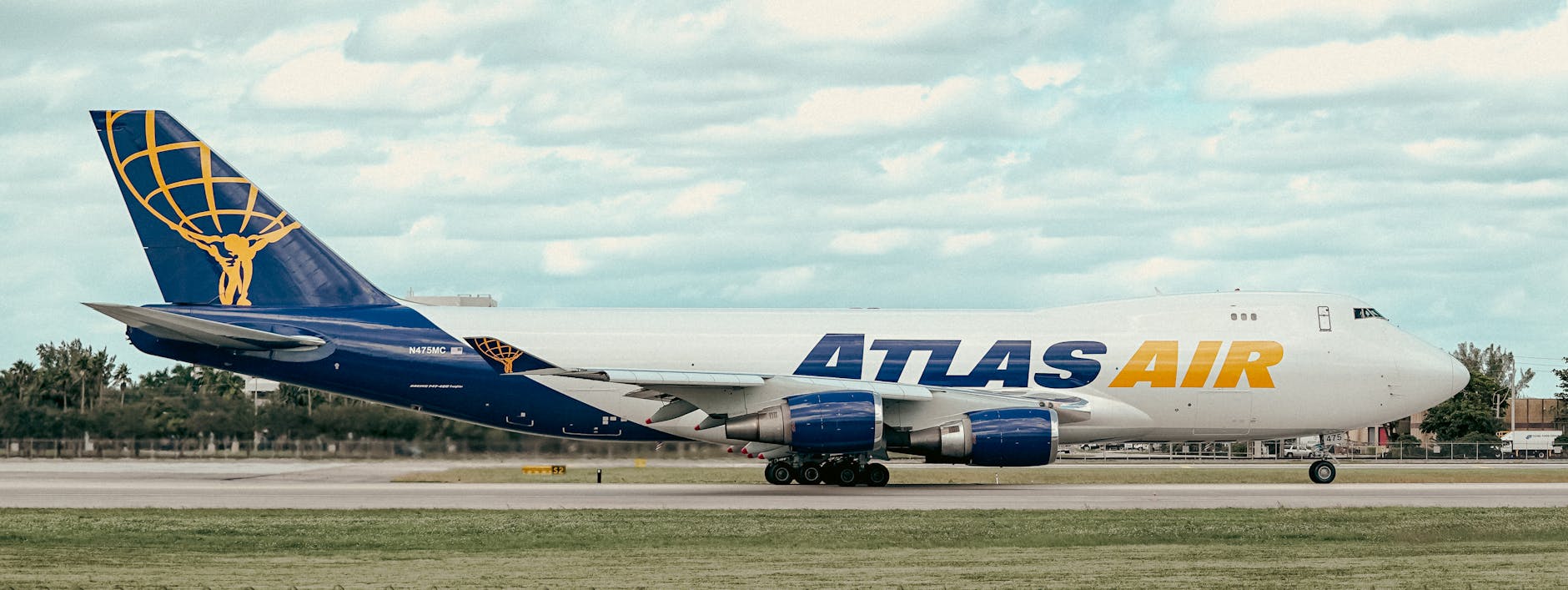
International air cargo transportation expenses have escalated dramatically, with certain shipping corridors experiencing price increases approaching 70 percent following the intensification of hostilities involving the United States, Israel, and Iran, according to recent logistics industry data. The unprecedented surge in freight charges represents a substantial challenge for Irish businesses dependent on global supply chains, particularly those in pharmaceutical, technology, and perishable goods sectors.
The dramatic cost escalation stems from multiple converging factors directly tied to the Middle Eastern conflict. Aviation fuel expenses have climbed sharply as regional instability affects petroleum markets, while major international carriers have been forced to suspend or significantly curtail operations through affected airspace. These operational restrictions compel freight companies to deploy longer alternative routing, consuming additional fuel and requiring extended crew hours, expenses ultimately transferred to commercial shippers.
Ireland’s position as a significant European logistics hub makes the nation particularly vulnerable to these transportation cost fluctuations. The country’s substantial pharmaceutical export sector, which accounts for approximately €90 billion annually and represents the largest component of Irish merchandise exports, relies heavily on air freight for time-sensitive shipments. Technology components and medical devices manufactured at facilities supported by IDA Ireland similarly depend on reliable, cost-effective air cargo services to maintain international supply chain commitments.
Maritime shipping disruptions compound the air freight crisis, as ocean vessels avoid conflict zones and reroute around affected regions. This maritime congestion forces additional cargo volume onto already strained air freight networks, creating capacity shortages that drive prices higher through basic supply-demand economics. Logistics managers report booking difficulties for priority shipments, with some consignments experiencing delays of several weeks despite premium pricing.
The International Air Transport Association has documented substantial capacity reductions on Europe-Asia corridors, traditionally vital routes for Irish exporters accessing growing markets in China, India, and Southeast Asia. Carriers including major European operators have suspended direct services through Middle Eastern airspace, necessitating circuitous paths via alternative transit points that add significant journey time and operational expense.
Irish import-dependent retailers face particularly acute pressures as the peak commercial season approaches. Consumer electronics, fashion merchandise, and seasonal inventory traditionally transported via air freight from Asian manufacturing centres now carry substantially inflated logistics costs. These expense increases inevitably flow through to consumer pricing, potentially dampening retail demand during crucial trading periods for the domestic economy.
Aviation fuel surcharges have become a standard component of air freight quotations, with carriers implementing dynamic pricing mechanisms that adjust weekly based on petroleum market fluctuations. Brent crude prices have exhibited significant volatility throughout the conflict period, creating budgeting challenges for businesses attempting to forecast quarterly transportation expenses. Financial controllers at Irish export companies report difficulties maintaining accurate cost projections amid such rapid market changes.
The sustained elevation in air cargo rates may accelerate strategic reassessments of supply chain architecture among Irish businesses. Companies supported by Enterprise Ireland are evaluating inventory management approaches, considering increased stockholding to reduce reliance on frequent international shipments. Such strategic pivots require substantial working capital investment but may provide insulation against future transportation market volatility.
Economic analysts project that persistent freight cost inflation will materially impact Ireland’s trade competitiveness metrics throughout the remainder of the financial year. The Central Bank of Ireland monitors transportation cost indicators as components of broader inflation measurements, recognizing their potential to influence monetary policy considerations. Small and medium enterprises with limited bargaining power in freight negotiations face disproportionate impacts compared to multinational corporations maintaining dedicated logistics contracts.
Industry observers anticipate that air freight market conditions will remain elevated until geopolitical stability returns to affected regions and normal aviation routing resumes. The extended nature of current tensions suggests Irish businesses must prepare for sustained higher transportation costs as a structural feature of international trade operations for the foreseeable period.